
How to Fix Boilers Before Tenants Notice
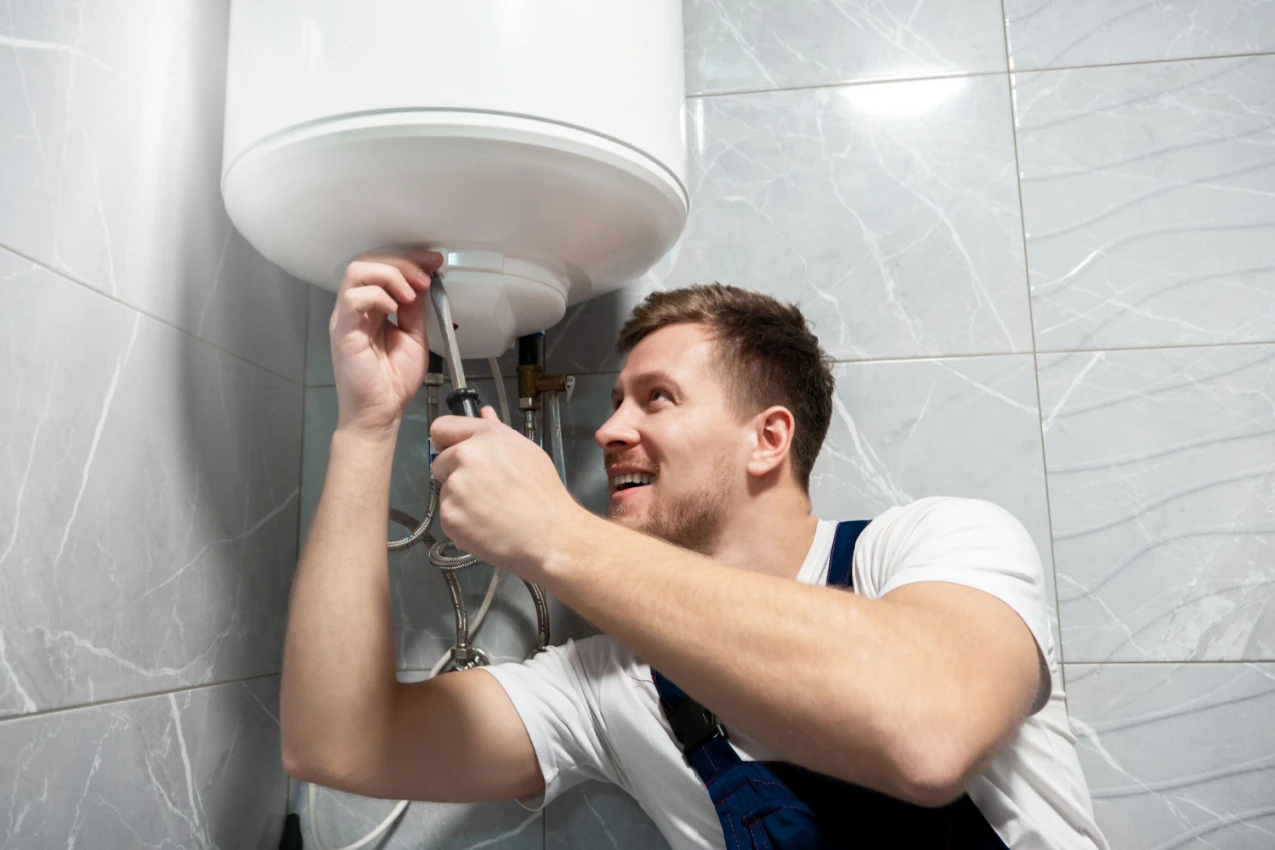
8 Common Boiler Problems in Apartment Complexes

In apartment complexes, the boiler system is one of the most critical pieces of infrastructure. It provides heat (and often hot water) to dozens or even hundreds of residents, making its reliability essential to tenant comfort, safety, and satisfaction.
When a boiler fails, the impact is immediate and highly visible, often resulting in tenant complaints, emergency repair costs, and potential code violations.
For property managers and building owners, the difference between reactive repairs and proactive maintenance can be measured in both dollars and downtime. Emergency service calls, after-hours labor, and temporary heating solutions quickly add up.
Proactive maintenance, on the other hand, allows issues to be identified early, repaired on a predictable schedule, and addressed before tenants even realize there was a problem. Early detection not only protects resident comfort but also extends equipment life and stabilizes operating budgets.
Problem 1: Uneven or Inconsistent Heating
Uneven heating is one of the most common boiler-related complaints in apartment buildings. Some units may be overly warm while others remain cold, particularly in older or multi-story properties.
Common causes of uneven heating are air trapped in the system, poor balancing between zones, failing circulation pumps, or partially blocked pipes. Over time, sediment buildup or changes in building usage can disrupt the system’s original balance.
Early warning signs often appear before formal complaints. Maintenance staff may notice cold radiators on upper floors, slow warm-up times, or frequent temperature adjustments by tenants.
Preventive fixes include bleeding radiators to remove trapped air, rebalancing zones to ensure even flow, inspecting and servicing circulation pumps, and conducting flow testing to identify restrictions. Addressing these issues early keeps heat distribution consistent and prevents tenant dissatisfaction.
Problem 2: Boiler Pressure Problems
Boiler pressure plays a critical role in system performance. Pressure that is too low can prevent proper heat circulation, while excessive pressure can damage components and trigger safety shutdowns.
Common causes of pressure issues include small leaks, malfunctioning pressure relief valves, or problems with the expansion tank. These issues often develop gradually and worsen over time.
Early warning signs include fluctuating pressure gauge readings, frequent need to add water to the system, or short cycling where the boiler turns on and off repeatedly.
Preventive fixes involve routine pressure monitoring, regular testing of pressure relief valves, and scheduled expansion tank inspections. Maintaining stable pressure reduces wear on the system and helps avoid sudden failures.
Paying Too Much For Insurance?
Get a FREE quote to insure your rental properties for less.
Problem 3: Strange Noises (Banging, Whistling, or Gurgling)
Unusual boiler noises are more than a nuisance, as they are often an early indicator of underlying problems.
Common causes include kettling from scale buildup on heat exchangers, trapped air in the system, or loose internal components. These issues reduce efficiency and can lead to long-term damage if ignored.
Early warning signs are new or increasing noises during heat cycles, especially at startup or shutdown.
Preventive fixes include flushing the system to remove sediment, descaling heat exchangers, tightening mounts and fittings, and removing trapped air. Quiet operation is often a sign of a healthy, efficient boiler system.
Problem 4: Leaks and Corrosion
Leaks and corrosion are among the most costly boiler problems when left unchecked. Even minor leaks can escalate into significant structural or mechanical damage.
Common causes include aging pipes, poor water chemistry, and worn gaskets or seals. Older buildings are particularly susceptible, especially if water treatment has been neglected.
Early warning signs include visible rust, moisture around fittings, unexplained drops in system pressure, or discoloration near pipes and valves.
Preventive fixes involve implementing proper water treatment programs, replacing aging gaskets and seals, and conducting routine corrosion inspections. Early intervention can prevent water damage and extend the life of the entire heating system.
Problem 5: Short Cycling and Inefficient Operation
Short cycling occurs when a boiler turns on and off too frequently, reducing efficiency and increasing wear on components.
Common causes include incorrect boiler sizing, faulty thermostats, or control system issues. Changes in building occupancy or renovations can also alter heating loads over time.
Early warning signs include frequent burner cycling, inconsistent indoor temperatures, and rising fuel bills despite similar weather conditions.
Preventive fixes include calibrating controls, reassessing building heating loads, and replacing faulty sensors or thermostats. Improving efficiency not only reduces operating costs but also lowers the risk of unexpected breakdowns.
Problem 6: Poor Combustion or Fuel Issues
Proper combustion is essential for both efficiency and safety. When combustion is compromised, fuel costs rise and safety risks increase.
Common causes include dirty burners, improper air-to-fuel ratios, or blocked flues and vents.
Early warning signs may include soot buildup, unusual odors, pilot light issues, or unexplained increases in energy usage.
Preventive fixes include annual combustion efficiency testing, routine burner cleaning, and thorough vent and flue inspections. These measures help ensure safe operation and compliance with local codes.
Problem 7: Failed Safety Components
Boiler safety components are designed to prevent dangerous conditions, but they require regular testing to remain effective.
Common causes of failure include neglected maintenance and aging devices such as pressure relief valves or low-water cutoff controls.
Early warning signs include system alarms, unexpected shutdowns, or inconsistent boiler operation.
Preventive fixes involve regular testing of pressure relief valves, verifying proper operation of low-water cutoffs, and inspecting carbon monoxide detectors. Functional safety systems protect both residents and property owners from serious liability.
Problem 8: Faulty Controls, Sensors, or Thermostats
Modern apartment boiler systems rely on controls, sensors, and thermostats to manage temperature, firing rates, and operating schedules. When these components fail, the boiler may continue running but operate inefficiently or unreliably.
Common causes include aging or miscalibrated sensors, damaged wiring, outdated control panels, or thermostats that no longer read temperatures accurately. Renovations or tenant-installed devices can also unintentionally disrupt system controls.
Early warning signs include erratic temperature swings, boilers running when heat isn’t needed, delayed response times, or tenant complaints that don’t align with weather conditions. Energy use may rise without an obvious mechanical issue.
Preventive fixes include regularly calibrating sensors and thermostats, inspecting wiring and control connections, updating outdated controls, and confirming schedules match building occupancy. Catching control issues early improves comfort, reduces fuel waste, and limits unnecessary strain on the boiler system.
How to Catch Problems Before Tenants Notice
The most effective way to avoid tenant complaints is to catch boiler issues early. This starts with a detailed preventive maintenance checklist tailored to the building’s system and age. Seasonal inspections, especially before peak heating season, allow issues to be addressed proactively. Maintaining monitoring logs for pressure, temperature, and fuel usage can reveal trends that indicate developing problems.
Training maintenance staff to recognize early warning signs (such as subtle noise changes) will also add another layer of protection. Scheduling professional service before winter demand peaks further reduces the risk of emergency breakdowns.
When to Call a Professional
While on-site teams can handle routine monitoring and minor adjustments, certain issues require licensed HVAC or boiler technicians. Combustion problems, control system failures, major leaks, and safety device malfunctions should always be handled by professionals. Delaying expert service increases the risk of equipment damage, safety hazards, and non-compliance with building codes. Working with qualified professionals ensures repairs are done correctly and documented for regulatory purposes.
Preventive Boiler Maintenance Protects Comfort and Costs!
Proactive boiler care is one of the most effective ways property managers and building owners can protect their investment. Early intervention reduces tenant complaints, minimizes downtime, and prevents costly emergency repairs.
By addressing common boiler problems before they escalate, building operators can maintain reliable heat, improve energy efficiency, and extend the life of their systems. The final takeaway is simple: reliable heat in apartment complexes starts with consistent, preventive maintenance.
Source: Multifamily Insiders








 Accessibility