
Fannie Mae announced new ADU financing rules
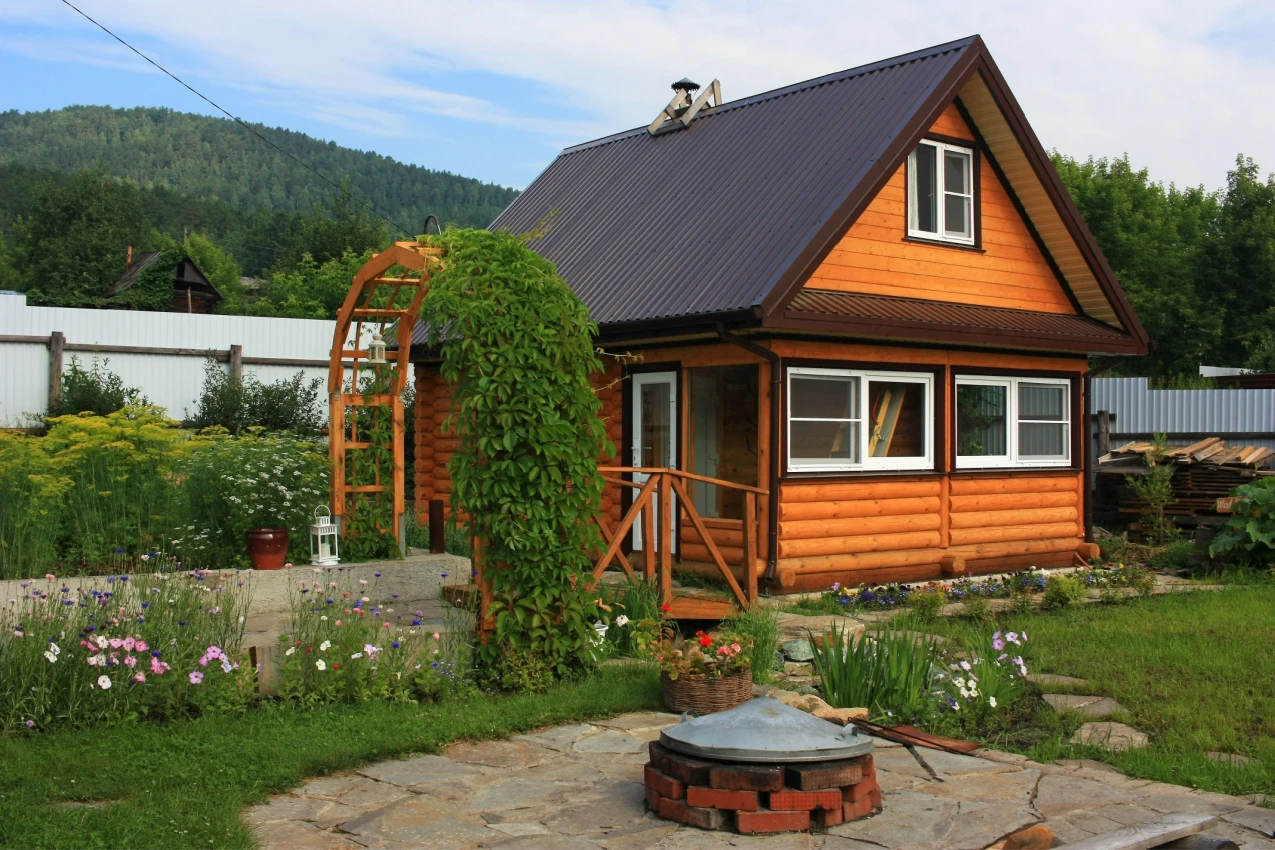
Fannie Mae Just Made ADUs a Cash Flow Machine

Fannie Mae announced new ADU financing rules. Most investors missed it. The ones who didn’t? Already running numbers on properties they own.
The change: Fannie Mae now purchases loans for two-to-three unit homes that include ADUs. Total allowed: four units per property. Single-family can now add three ADUs. Duplex can add two ADUs. Triplex can add one ADU.
What changed? Everything. Before this, most investors hit financing walls trying to add ADUs. Conventional loans didn’t cover multiple units. Renovation budgets got capped. Income couldn’t be counted toward qualification.
Not anymore.
Who This Benefits (And Who It Doesn’t)
Winners:
-
Investors with single-family homes on oversized lots
-
Duplex/triplex owners with unused yard space
-
Owner-occupants looking to house hack with multiple income streams
-
Manufactured home owners (single-wide now qualifies)
Losers:
-
Anyone in cities with restrictive ADU zoning
-
Investors who can’t afford $60K-$285K upfront construction costs
-
Properties without alley access, detached structures, or convertible space
The math matters more than the excitement.
The Income Play: How Much ADU Rent Counts Toward Qualification
Fannie Mae lets you use ADU rental income for loan qualification. But there’s a cap.
The rule: Only one ADU’s rent can be used for qualification (even if you have three). That income is capped at 30% of your total qualifying income.
Example breakdown:
-
Your base qualifying income: $6,000/month
-
Market rent for ADU: $1,200/month
-
Lenders count 75% of that = $900/month
-
Your new total qualifying income: $6,900/month
-
The $900 is within the 30% cap ($6,900 × 30% = $2,070 max)
Why the cap exists: Prevents over-leveraging. Stops investors from inflating rental income projections. Protects against assuming every ADU rents at peak rates.
What this means for cash flow: Even though you can’t use all ADU income for qualification, you keep 100% of the rent. If you add three ADUs renting at $1,200/month each, that’s $43,200 annually hitting your bank account—whether Fannie Mae counts it or not.
Get a Free Multifamily Loan Quote
Access Non-Recourse, 10+ Year Fixed, 30-Year Amortization
The Renovation Financing Game Just Got Easier
Before this update, renovation loans forced investors to either borrow privately or lean on contractors to front starting costs.
New HomeStyle Renovation rules:
-
Up to 50% of renovation costs disbursed at closing
-
No need for outside borrowing or contractor financing
-
Larger renovation budgets for manufactured housing
What this unlocks: You can start construction immediately. No waiting for staged draws. No cash flow crunch while permits clear.
FHA loans enter the mix: Lower down payments. Lower credit scores required. Both existing and prospective ADU rental income can be included in underwriting.
Translation: You don’t need the ADU built to count its income. You just need proof it will exist.
Zoning Will Kill Your Dreams Faster Than Anything Else
Fannie Mae’s new rules are investor-friendly. Your city’s zoning laws? Probably not.
Before running numbers, confirm:
-
How many ADUs are allowed per property?
-
What are size and height restrictions?
-
What are parking requirements?
-
Are detached ADUs permitted?
-
Does your city have a 16-foot setback requirement? (The “poison pill” that kills most ADU projects)
NIMBY vs. YIMBY reality: Wealthier single-family neighborhoods oppose ADUs. Same reasons they oppose multifamily. Parking fears. Transient renters. School quality concerns.
Markets with ADU-friendly zoning:
-
Portland, Oregon
-
Seattle, Washington
-
California (most jurisdictions)
-
Austin, Texas (improving)
-
Denver, Colorado (improving)
Markets with restrictive zoning:
-
Most suburban single-family zones
-
HOA-controlled neighborhoods
-
Historic districts
If your property sits in a restrictive zone, Fannie Mae’s rules won’t save you. Zoning beats financing every time.
The Real Cost: $60K to $285K (Depending on How Smart You Build)
Average ADU cost: $180,000 (according to Angi) Range: $60K to $285K depending on size, scope, location
Cheaper options ($60K-$100K):
-
Converting existing structures (garage, basement, attic)
-
Manufactured ADU pods (delivered and installed)
-
Simple studio layouts with basic finishes
Expensive options ($200K-$285K):
-
Ground-up construction on raw land
-
High-end finishes and custom designs
-
Markets with expensive labor and permits
Key cost factors:
-
Does the structure already exist? (Converting = cheaper)
-
Do you need new utilities? (Plumbing, electrical, HVAC)
-
What are local permit fees? (California = expensive, Texas = cheaper)
Required elements (non-negotiable):
-
Kitchen
-
Bathroom
-
Separate entrance
If converting existing space, you save on:
-
Exterior weatherproofing
-
Roof installation
-
Wall framing
-
Insulation (sometimes)
Hidden Density = The New Value-Add Play
Smart investors aren’t searching for properties with ADUs. They’re searching for properties where ADUs can be added.
Look for:
-
Oversized lots (extra yard space = room to build)
-
Alley access (separate entrance already exists)
-
Detached garages (structure already built, just needs conversion)
-
Basements or underused structures (cheaper to convert than build new)
-
Existing duplexes/triplexes with extra yard space (add one more unit)
The arbitrage: Buy a duplex with unused yard space. Add one ADU. Now you own a triplex. Rent all three units. Cash flow jumps. Property value jumps. You didn’t change the structure—you added density.
Appraisals Could Be a Problem (At Least Initially)
These configurations are new. Appraisers might struggle pulling comps.
The issue: Fannie Mae requires comparable sales for HELOC financing or resales. If no nearby properties have similar ADU setups, appraisers can’t value them accurately.
Short-term risk: Early adopters might face appraisal gaps. Property “worth” $500K but appraises at $420K because no comps exist.
Long-term opportunity: First movers create the comps. Once appraisers see multiple ADU properties selling, valuations catch up.
Mitigation strategy: Focus on markets with existing ADU inventory. Portland, Seattle, California metros already have ADU comps. Appraisers know how to value them. Financing closes smoother.
Energy and Resiliency Improvements Now Qualify for Financing
Fannie Mae’s update includes financing for storm and fire-resistant measures. No full energy report required.
What qualifies:
-
Storm shutters
-
Fire-resistant roofing
-
Impact windows
-
Flood barriers
Why this matters: If you’re building ADUs in Florida (hurricanes), California (wildfires), or Texas (storms), you can finance the protection measures alongside construction. Don’t need separate loans. Don’t need cash reserves.
Rental advantage: Tenants pay premiums for storm-resistant units. Especially in vulnerable markets. ADU with impact windows and fire-resistant roof? Commands higher rent. Attracts longer leases. Reduces vacancy.
ARM Loans Mean Cheaper Updates Without 30-Year Commitments
Fannie Mae’s expanded guidelines include ARM (adjustable-rate mortgage) loans for ADU renovations.
Why this matters: If you’re adding an ADU, you don’t need a 30-year mortgage. Use a 5/1 or 7/1 ARM. Lower rates. Lower payments. Refinance or sell before rate adjusts.
Who benefits: Fix-and-flip investors adding ADUs before resale. Buy-and-hold investors planning to refinance within 5-7 years. Owner-occupants who know they’ll move or refi before adjustment.
Who shouldn’t use ARMs: Long-term hold investors who want payment certainty. Anyone uncomfortable with rate risk.
Will Adding an ADU Be Worth It in 2026?
For most homeowners? No. If you’re in a restrictive zoning area, don’t have $60K-$285K in budget, or can’t identify convertible space on your property, Fannie Mae’s rules won’t help you. You’ll spend money you don’t have fighting zoning you can’t beat.
For strategic investors? Absolutely. If you own properties with oversized lots, alley access, detached structures, or existing duplexes/triplexes with extra yard space—and you’re in ADU-friendly markets—you’re sitting on unlocked cash flow. Add one ADU at $1,200/month rent. That’s $14,400 annually. Add three? $43,200 annually. Property value jumps. Cash flow jumps. Equity jumps.
Fannie Mae just handed you the financing. Zoning is the only thing standing in your way.
Gold rush starting. Not everyone will win.
Source: Multifamily Intelligence








 Accessibility