
Is your brand built around aspiration rather than reality?
The Authenticity Test Most Apartment Brands Fail

There’s a pattern happening across multifamily marketing right now that’s costing communities residents—and most don’t even realize it’s happening.
Property teams are investing in rebrands, refreshing their websites, upgrading their photography, and crafting new messaging strategies. The work looks great. The logos are clean. The color palettes are modern. Everything checks the boxes.
And then prospects visit the property. They take a tour. They interact with staff. They see the actual amenities.
And something doesn’t match.
That gap—between what your brand promises and what residents actually experience—is the authenticity test. And both Gen Z and millennial renters are exceptionally good at spotting when a community fails it.
Why the Gap Exists
Most branding projects start with good intentions. Leadership wants to attract better prospects, increase rents, or compete with newer communities in the market. A designer creates beautiful assets. A copywriter crafts compelling language. The website gets updated.
But here’s where it breaks down: the brand was built around aspiration rather than reality.
The photography shows a pristine fitness center—but the actual fitness center has two broken treadmills and fluorescent lighting that hasn’t been updated since 2008. The website promises “resort-style living”—but the pool is closed for maintenance half the summer. The messaging emphasizes “community connection”—but there’s no actual programming and the common areas sit empty.
This isn’t intentional deception. It’s optimistic marketing that outpaced operational reality.
The problem? Today’s renters figure it out fast. And when they do, they don’t just leave—they tell everyone.
What Both Generations Actually Notice
Gen Z and millennial renters evaluate authenticity differently than previous generations did. They’re not just comparing your website to your property. They’re comparing your entire brand experience to every other brand experience they’ve ever had.
They notice when your Instagram shows vibrant community events but your actual resident programming is a monthly pizza party with store-bought pizza and paper plates.
They notice when your tour script emphasizes the “state-of-the-art business center” but the printer is out of toner and the WiFi requires three passwords to access.
They notice when your leasing team promises responsive maintenance but their first work order takes nine days to complete.
Every touchpoint either reinforces or undermines your brand. Both generations are tracking—consciously or not—whether reality matches the promise.
Report Your Tenant’s Rent Today!
Report on-time & missed payments to Experian, Equifax, and TransUnion
The Three Most Common Failures
Amenity oversell. This is the most visible failure. Communities brand amenities they can’t consistently maintain or that don’t function as advertised. A co-working space with terrible WiFi is worse than no co-working space at all—because it creates a promise and then breaks it. Both Gen Z and millennials would rather you have three amenities that work perfectly than twelve that are perpetually disappointing.
Stock photography syndrome. When your marketing features people who look nothing like your actual residents, in spaces that have been digitally enhanced beyond recognition, prospects notice immediately. Both generations have been saturated with advertising their entire lives. They can spot stock photography instantly—and it signals that you’re hiding something.
Voice mismatch. Your brand voice says you’re fun, approachable, and resident-focused. But your lease agreement reads like it was written by hostile attorneys. Your maintenance communication is robotic and impersonal. Your move-in process feels transactional rather than welcoming. The voice has to carry through every interaction, not just the marketing materials.
How to Actually Pass the Test
The solution isn’t to lower your brand standards—it’s to align your brand with your genuine strengths.
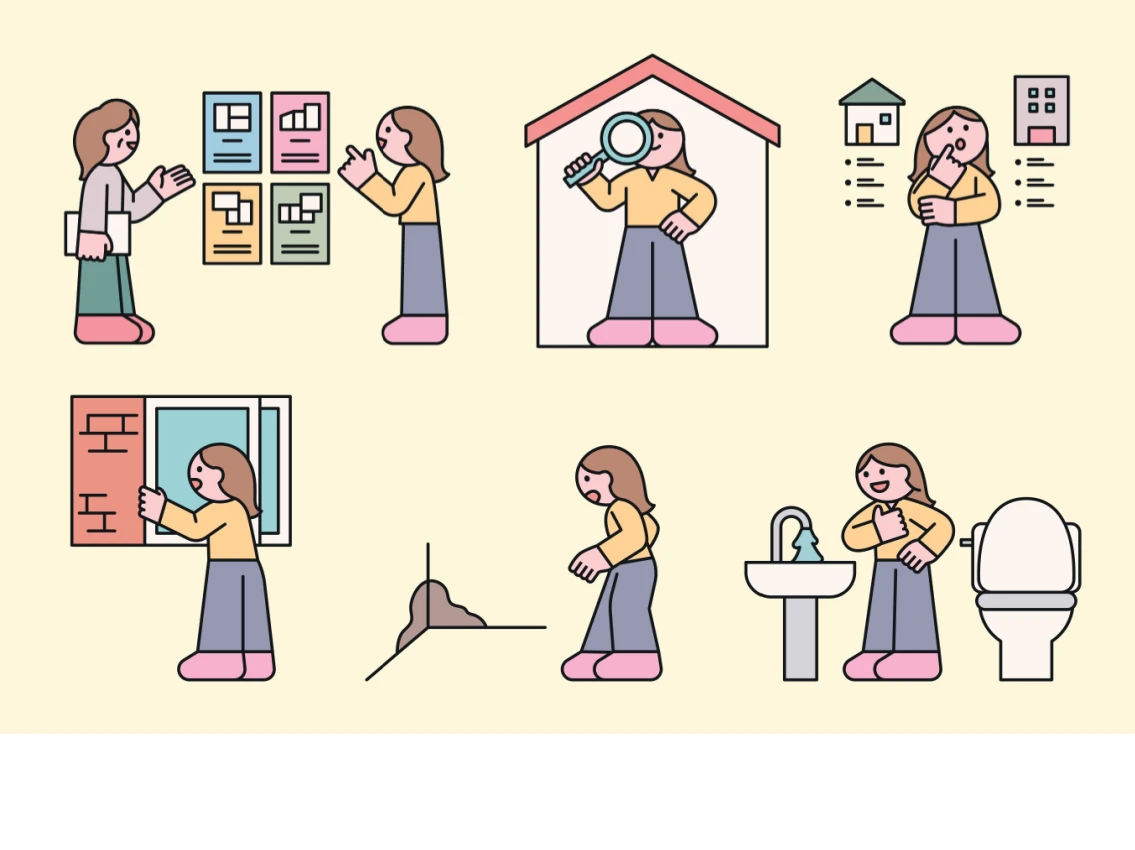
Audit honestly. Walk your property as if you’ve never seen it before. What does a prospect actually experience? Where does reality fall short of what your marketing promises? Don’t defend the gaps—document them.
Brand what’s real. Every community has genuine strengths. Maybe your maintenance team is exceptionally responsive. Maybe your location is unbeatable. Maybe your units are smaller but your rents are fair. Whatever is authentically true about your community—that’s your brand foundation.
Fix or stop promising. For every gap between brand and reality, you have two options: fix the operational issue or stop marketing it. If your pool is closed frequently, don’t make it a hero image. If your fitness center is dated, don’t call it “state-of-the-art.” Honesty builds more trust than aspiration.
Extend the voice everywhere. Your brand voice shouldn’t exist only in marketing. It should inform how your leasing team talks to prospects, how maintenance communicates about work orders, how management handles complaints. Consistency across every touchpoint is what makes a brand feel authentic.
The Payoff
Communities that pass the authenticity test don’t just attract residents—they keep them. When brand and reality align, residents become advocates. They leave positive reviews without being asked. They refer friends. They renew leases even when competitors offer concessions.
Both Gen Z and millennial renters are willing to pay more for communities they trust. But that trust has to be earned through consistent, authentic experience—not just promised through polished marketing.
The communities winning right now aren’t the ones with the biggest budgets or the flashiest rebrands. They’re the ones where what you see is actually what you get.
That’s the test. And it’s the only one that matters.
Source: Multifamily Insiders






 Accessibility