
The 2026 Investor’s Blueprint
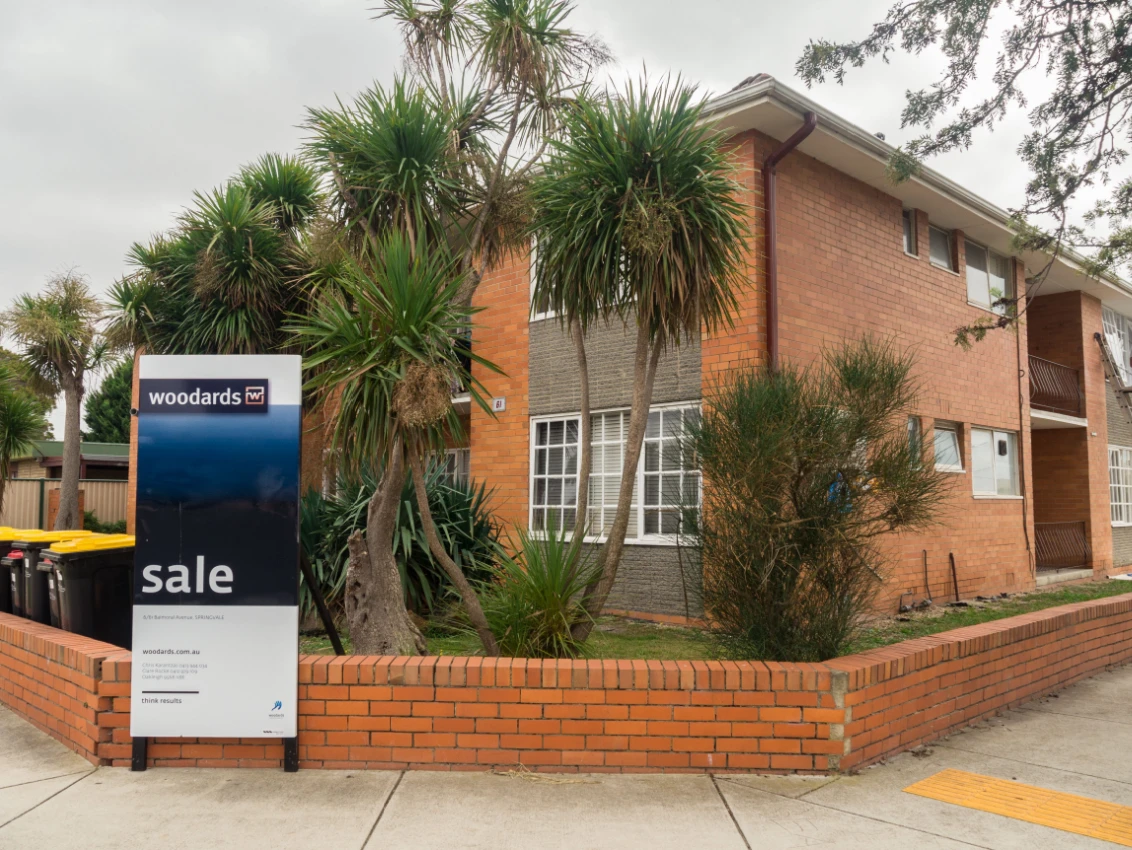
How to Buy an Apartment Complex with No Money

Staring at a 25% down payment on a multi-million dollar asset feels like staring at a brick wall. You see the deals, you understand the potential for massive cash flow, but the capital stack seems insurmountable and the legal maze of raising money is paralyzing. Forget that narrative. The elite operators in this space don’t use their own cash to scale; they leverage a system. This is your definitive guide on how to buy an apartment complex with no money-the 2026 Investor’s Blueprint designed to completely bypass traditional capital requirements and position you as a true asset manager.
Get ready to unlock the operational playbook. Inside, you will discover the proven strategies to find viable deals, structure them for creative financing, and confidently raise capital using Other People’s Money (OPM). This isn’t theory; it’s your actionable roadmap to closing your first deal, building equity, and engineering the Passive Wealth that finally replaces your 9-to-5. It’s time to accelerate your journey and scale up.
Key Takeaways
-
Master the “no money down” reality: It’s not about having zero cash, but about strategically using 100% Other People’s Money (OPM) to close large-scale deals.
-
The blueprint for how to buy an apartment complex with no money lies in syndication; leverage your “sweat equity” as a General Partner to gain ownership without investing your own capital.
-
Unlock creative financing solutions like Seller Financing and Master Lease Options to control assets without a massive down payment from your own pocket.
-
Dominate your market by going direct-to-seller, because the most profitable zero-down opportunities are found off-market, not on public listing sites.
Is It Really Possible to Buy an Apartment Building with Zero Dollars?
Let’s cut straight to the chase: Yes. But the question isn’t just about possibility-it’s about strategy. When elite investors discuss buying assets with “no money down,” they aren’t suggesting the property is free. They mean it was acquired with none of their own capital. This is the world of OPM (Other People’s Money), and mastering it is the core of how to buy an apartment complex with no money and achieve explosive portfolio growth.
To unlock this strategy, you must shed the single-family mindset. You aren’t just buying a building; you are architecting an investment. While you may not bring the cash, you must bring three non-negotiable assets to the table that capital partners value above all else:
-
Time: The relentless drive to hunt for and lock down the off-market deals that others will never see.
-
Knowledge: The surgical expertise to underwrite a property, identify hidden value, and craft a bulletproof business plan.
-
A Great Deal: This is the ultimate currency. An irresistible opportunity so compelling that capital chases you.
The Myth of the “Cash-Poor” Investor
Believe it or not, having no capital can be your greatest competitive advantage. It forces you to become a master deal-finder, not just another buyer with a checkbook. You must build “Knowledge Capital”-deep, unshakeable expertise in a specific market and asset type. This becomes your leverage. It requires a fundamental mindset shift from an employee who trades time for dollars to a syndicator who orchestrates passive wealth for an entire network of investors.
Residential vs. Commercial: Why the Rules Change
The moment you scale to five or more units, the entire game changes. Lenders no longer care about neighborhood comps; they value the asset based on its Net Operating Income (NOI). You’re acquiring a business, and the bank is underwriting its cash flow. This is the key that unlocks the door for operators without massive personal liquidity. The process of pooling funds to acquire such an asset, known as real estate syndication, is a sophisticated legal framework that liberates you from the constraints of residential financing and puts you on the fast track to scale.
Get a Free Multifamily Loan Quote
Access Non-Recourse, 10+ Year Fixed, 30-Year Amortization
5 Creative Financing Strategies for Zero-Down Acquisitions
Forget the old rules. The biggest barrier to scaling your multifamily portfolio isn’t capital-it’s creativity. When you master the art of the deal, you unlock the ability to acquire assets with little to no money down. This is the core strategy for operators who want to accelerate their path to financial freedom. While traditional lenders have their place, understanding the full spectrum of various financing options is what separates amateurs from empire builders. This isn’t just theory; it’s the practical playbook for how to buy an apartment complex with no money.
Here are five powerhouse strategies you must have in your arsenal:
-
Seller Financing: Turn the owner into your private bank.
-
Master Lease Options (MLO): Control the cash flow, buy later.
-
Hard Money to Refinance: The BRRRR method on steroids for apartments.
-
Equity Partnerships: Use your hustle as the down payment.
-
Seller Seconds: Bridge the gap the bank won’t cover.
Master Lease Options: The Ultimate Zero-Down Tool
An MLO is your key to controlling a property without owning it. You lease the entire complex from the owner with an option to purchase at a predetermined price. The owner gets consistent, passive income without management headaches, while you operate and improve the asset. Structure the deal with a 3-5 year option period to force appreciation. You increase the Net Operating Income (NOI) through strategic renovations and operational efficiencies, then purchase the now more valuable asset using the equity you created.
Case Study: An operator in our network used an MLO on a distressed 20-unit building. They controlled it for two years, invested in cosmetic upgrades, and stabilized operations, boosting the NOI by 40%. They then used that proven track record to secure traditional financing for the purchase, effectively buying the building with the equity they built.
Negotiating Seller Financing in 2026
The key to unlocking seller financing is identifying motivated sellers-often “tired landlords” ready to retire. They’ve built equity but dread the massive tax bill from a cash sale. Your pitch? A win-win. You offer them a steady, passive income stream as the lender, and they defer their capital gains taxes over the life of the loan.
It’s the ultimate solution for their exit strategy and your entry point. To protect your position, insist on key clauses in the note: a subordination clause allowing you to refinance, a non-recourse clause limiting personal liability, and the right to cure defaults on the seller’s underlying mortgage.
The Power of Syndication: Trading Sweat Equity for Ownership
Stop thinking like a solo operator and start thinking like a capital connector. Apartment syndication is the single most powerful vehicle for scaling into large multifamily assets. It is the definitive answer to how to buy an apartment complex with no money because it professionalizes the use of Other People’s Money (OPM).
In a syndication, you operate as the General Partner (GP). Your job is to find the deal, underwrite it, secure financing, and execute the business plan. You bring the expertise and the “sweat equity.” Your investors, the Limited Partners (LPs), provide the passive capital needed for the down payment and renovations. In return for your work, you earn a significant ownership stake-known as “Carried Interest” or a “Promote”-without investing your own cash. This entire process operates within a secure legal framework, typically governed by SEC Regulation D (like 506b for pre-existing relationships or 506c for advertising to accredited investors).
Structuring the Deal for Zero-Capital General Partners
A well-structured deal pays you to execute. You don’t need savings; you need a bulletproof business plan. The profit split is commonly structured as a 70/30 or 80/20, where LPs receive the majority of profits, but your 20-30% stake can translate into massive wealth. More importantly, you generate immediate income through standard industry fees:
-
Acquisition Fee: Typically 1-3% of the purchase price, paid to you at closing. This fee covers your time and due diligence costs, providing immediate working capital for your business.
-
Asset Management Fee: An ongoing fee, usually 1-2% of the effective gross income, that creates predictable cash flow for you while you manage the property and maximize its value for investors.
Finding Your First Investors
Capital follows competence. Your first deal will likely be funded by your “friends and family” network. Present it not as a favor, but as a meticulously underwritten professional investment opportunity. To scale beyond your immediate circle, you must build a thought leadership platform. Start a podcast, publish market analysis, or host local meetups. Attract passive capital by demonstrating your expertise publicly. Remember, your first successfully closed deal is your ultimate marketing asset. It’s the proof of concept that unlocks access to larger pools of capital and accelerates your path to a dominant portfolio.
Sourcing and Underwriting: Finding Deals That Fund Themselves
Forget the MLS. Forget LoopNet. The deals that allow you to scale with zero cash down are never publicly advertised. They are hidden in plain sight, waiting for a true operator to uncover them. This is where you separate yourself from the amateurs. You don’t find these deals; you create them through relentless, direct-to-seller action.
Your strategy is to become the source of your own deal flow. This means bypassing the competition entirely by going straight to the owner with targeted direct mail, strategic cold calls, and building a powerful network that feeds you opportunities before anyone else knows they exist.
Off-Market Deal Sourcing Strategies
To dominate your market, you must hunt where others won’t. Focus on finding motivated sellers who need a solution, not just a sale. Your primary targets include:
-
“Zombie” Properties: Identify under-managed or neglected assets that aren’t for sale. The owner is often tired and ready for an easy exit.
-
Broker Pocket Listings: Build deep relationships with commercial brokers who will bring you exclusive, pre-market deals to protect their commission.
-
The Attorney Approach: Network with estate and divorce lawyers. They are on the front lines of distressed situations that demand a fast, clean asset sale.
Rapid Underwriting: The 10-Minute Deal Screen
Finding the deal is only half the battle. The real secret to how to buy an apartment complex with no money is proving its undeniable value. If the numbers don’t work, the money won’t show up. You must analyze deals in minutes, not days, using a professional tool like The Multifamily Analyzer to gain instant credibility. Present a polished pitch deck highlighting the key metrics investors demand:
-
Cap Rate: The unlevered return that proves asset stability.
-
Cash-on-Cash Return: The annual return your partners will see on their capital.
-
Internal Rate of Return (IRR): The total projected return that screams profitability.
When you combine aggressive off-market sourcing with lightning-fast, professional underwriting, you create an unstoppable force. You present deals so compelling they essentially fund themselves. This is the blueprint we live by inside The Network, where we turn ambition into passive wealth.
Accelerate Your Path with Multifamily Intelligence
The strategies we’ve covered are your entry point into the world of multifamily real estate. But information alone won’t close deals. The single biggest mistake aspiring investors make is attempting to go it alone. The “Lone Wolf” gets eaten alive in the world of commercial real estate, losing time, money, and momentum on deals that were doomed from the start. To truly dominate, you need to plug into a network of high-performers and get expert guidance.
This isn’t just about learning; it’s about execution. At Multifamily Intelligence, we don’t just teach theory. We provide the network, the tools, and the battle-tested mentorship you need to scale your portfolio and build lasting passive wealth. We are the unfair advantage you’ve been looking for.
Mentorship: Avoiding the Multi-Million Dollar Mistakes
Your first deal is your most critical. Having an expert second pair of eyes isn’t a luxury-it’s a necessity. Imagine having “The Multifamily Attorney,” Charles Dobens, who has closed hundreds of deals, personally reviewing your numbers and strategy. This is how you avoid catastrophic errors. The right coaching pays for itself on your very first deal through superior negotiation tactics and ironclad deal structures, especially when you’re learning how to buy an apartment complex with no money.
Dominate Your Market: From Zero to Your First Apartment Complex
The myth of needing massive capital is officially busted. You now hold the operational blueprint for how to buy an apartment complex with no money. The strategy is clear: leverage creative financing, master the art of syndication to trade hustle for equity, and source deals that fund themselves. This is how you bypass the gatekeepers and start building your empire.
Building that empire is the key to unlocking true freedom—the kind that lets you explore the world on your own terms. For those seeking inspiration on what that freedom can look like, insider guides like Fun in Reykjavik offer a glimpse into unique global experiences.
Frequently Asked Questions About Buying an Apartment Complex With No Money
Can I buy an apartment complex with a 500 credit score and no money?
Let’s be direct: a 500 credit score is a major roadblock for traditional lenders. Your only path is creative financing, like a master lease option or finding a partner with stellar credit and capital. Your deal must be so compelling that it overcomes your financial profile. Focus on finding an incredible asset and building a team that fills your gaps. It’s about the quality of the deal, not just your personal score.
Is an FHA loan an option for a 10-unit apartment building?
Absolutely not. FHA loans are strictly for residential properties of one to four units. Once you hit five units or more, you’ve entered the commercial real estate arena, which demands commercial financing. Don’t waste time pursuing residential loan products for commercial-grade assets. Focus your energy on building relationships with commercial lenders and brokers who understand how to fund your vision for scaling up your multifamily portfolio and achieving passive wealth.
What is the difference between a Master Lease Option and a standard lease?
A standard lease gives you the right to use a space. A Master Lease Option gives you the right to *control an entire asset*. You sublease the units, collect all rental income, and manage the property as if you own it. Crucially, it includes a pre-negotiated option to buy the building, locking in your price. It’s a powerful tool to control a property now and capture future appreciation without immediate ownership.
How much do I need to pay a commercial real estate lawyer to structure a syndication?
Budget for excellence here, as this is your deal’s armor. A top-tier real estate securities attorney will typically charge between $20,000 and $50,000+ to structure a syndication. The final cost depends on the deal’s complexity and the capital raise amount. Do not cut corners on legal counsel. The right lawyer protects you and your investors, ensuring your deal is compliant and built to last. This is a non-negotiable cost of doing business professionally.
While this article focuses on the US market, the principle of creating a robust legal and business structure is universal for serious investors globally. Whether you’re setting up a fund, an LLC, or another corporate entity to manage assets, understanding the formation process is key. For those interested in the broader aspects of company formation, you can learn more about the services available for creating a professional business entity.
Do I need a real estate license to buy and syndicate apartment buildings?
You do not need a real estate license to buy and syndicate apartment buildings for your own portfolio. You are acting as a principal investor (the buyer), not an agent. A license is only required if you start earning commissions for representing other buyers or sellers in transactions. Focus on finding and closing deals for yourself; leave the brokerage work to the brokers unless you decide to become one and change your core focus.
What happens if the property doesn’t cash flow after I buy it with no money?
If the property doesn’t cash flow, you’ve failed in your underwriting. This scenario is why bulletproof due diligence is non-negotiable. In a syndication, you and your investors will have to fund the deficit from reserves or out of pocket. If you used seller financing, you risk default. This is why you must stress-test your numbers and build in capital reserves for unexpected vacancies or expenses. Hope is not a strategy; meticulous analysis is.
How long does it typically take to close your first zero-down multifamily deal?
Forget overnight success. Executing your first zero-down deal is a marathon, not a sprint. Realistically, it takes most serious investors 6 to 18 months to find, structure, and close their first deal. The timeline for how to buy an apartment complex with no money depends entirely on the quality of your network and your ability to generate consistent deal flow. Stay persistent, build relationships, and the right opportunity will emerge for you.
Is it better to start with a duplex or go straight to a 20-unit complex?
Go straight for the 20-unit complex. Dominate, don’t dabble. The time and energy required to find, fund, and manage a 20-unit asset is not ten times that of a duplex, but the potential for passive wealth is exponentially greater. Scaling up is the only language that matters in multifamily. Small deals keep you small. Larger deals give you the economy of scale needed to hire professional management and accelerate your financial freedom.
Source: Multifamily Intelligence







 Accessibility