
The Safety Training Gap Hiding in Multifamily Maintenance Teams

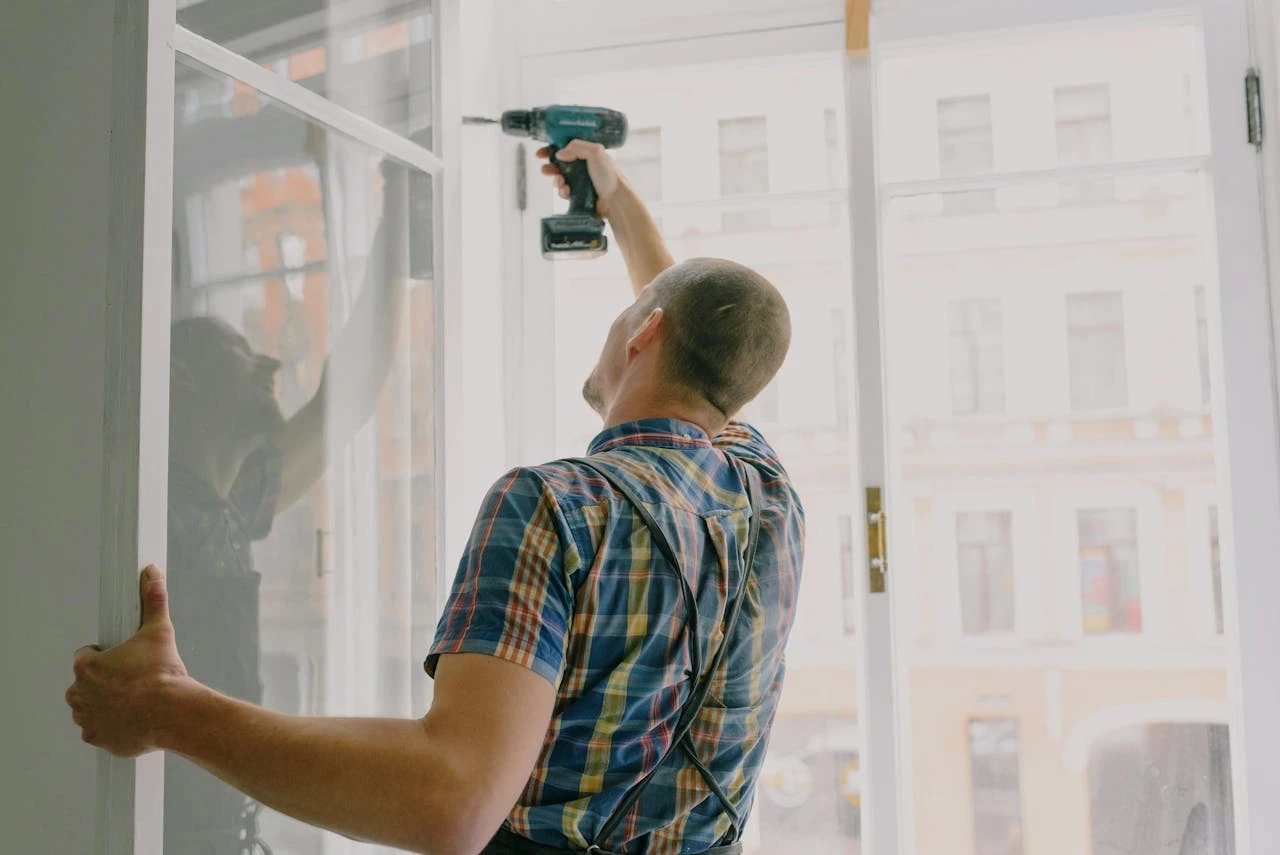
Every apartment owner knows the feeling. A maintenance issue comes in that sounds routine: somebody grabs a ladder, somebody else shuts off what they think is the right breaker, and the whole thing gets treated like a quick fix instead of a risk decision.
That’s usually where the trouble starts. Not with the big dramatic jobs everyone worries about, but with the ordinary ones: a dead outlet in a unit turn, a leaking water heater, a roof patch after a storm, a flickering exterior light, a stubborn HVAC panel that “just needs a look.”
Most multifamily teams are not short on effort. They’re short on structure. The gap is rarely that people don’t care. It’s that too many owners assume experience, common sense, and a few vendor phone numbers add up to a safety system.
The work looks simple right up until it isn’t
A lot of multifamily maintenance work lives in an awkward middle zone. It’s not full-scale construction, but it’s also not just replacing air filters and tightening loose handles. Staff move between apartments, common areas, roofs, electrical rooms, parking lots, storage spaces, and mechanical systems. One day, they’re handling a resident turnover. The next day, they’re dealing with damaged drywall, exposed wiring, a wet floor near powered equipment, or a jammed gate that somebody wants fixed before evening.
That’s why the training question gets missed. Owners often think in job titles, not hazard profiles. “He’s a maintenance tech” sounds manageable. “He’s working around electrical exposure, ladders, tools, lockout issues, chemical products, and time pressure inside occupied housing” sounds different. Once a team starts taking on bigger turns, rehab work, vendor oversight, or recurring repair tasks with real exposure, that is usually the point where OSHA 30-hour training starts to make more sense as part of how the operation is run.
The mistake is waiting for a visibly dangerous job before taking training seriously. By then, the habits are already set. People have been improvising for months. The supervisor assumes everyone “knows how we do things here.” The newer hire copies the fastest person on the team. The vendor gets waved through because they’ve “done work for us before.” Nobody stops long enough to ask what good execution is supposed to look like.
That blind spot matters because hazards don’t care whether a property is technically a jobsite. OSHA’s training requirements in its standards and broader duty to provide a workplace free from recognized hazards aren’t built around whether the building is branded as an apartment community or a construction project. They follow the work.
The real problem is inconsistency, not ignorance
Most owners don’t have a team full of reckless people. What they have is inconsistency. One tech knows to stop and escalate when a panel looks questionable. Another opens it anyway because he’s done “stuff like this” before. One property documents near misses. Another shrugs them off because nobody got hurt. One supervisor insists on proper shutdown procedures. Another prioritizes speed because there are six open work orders and two vacant units that need to be ready by Friday.
That inconsistency creates expensive confusion. It shows up in the places owners usually notice only after the fact: workers’ comp claims, damaged equipment, repeated callbacks, resident complaints, insurance headaches, and the awkward email chain that starts with “Can you explain what happened?”
Think about a common turnover scenario. A tech is repainting, replacing a bathroom fan, patching a loose stair nosing, and trying to diagnose a kitchen outlet that keeps tripping. None of those tasks looks unusual on its own. Put them together in one rushed day, inside a unit with cleaning chemicals, tools, dust, moisture, and a deadline, and the risk picture changes fast. That is not the moment to discover that nobody has a consistent rule for de-energizing equipment, checking ladder condition, using PPE, or deciding when the job needs to be handed to a licensed specialist.
This is also where many owners misunderstand the manager’s role. Job assignment is not the same as risk control. A property manager may be excellent at coordinating vendors and unit turns, but that doesn’t automatically mean the operation has a real safety process. AAOA’s own guidance on what a property manager does touches the breadth of operational responsibility, and that’s exactly why training gaps can hide for so long: the day is full, the priorities are stacked, and safety often gets treated as background competence instead of a managed system.
The ugly part is that inconsistency feels normal until something goes wrong. Then everyone suddenly wants paperwork, policies, and proof that the team was trained to do more than “be careful.”
What good execution actually looks like on a real property
Good execution is usually less dramatic than owners expect. It doesn’t start with a giant binder or a once-a-year lecture in the break room. It starts with clearer lines around what in-house staff should handle, what requires added safeguards, and what gets escalated out without debate.
That means spelling out the difference between routine maintenance and higher-risk work. Changing a lock cylinder is one thing. Working around energized electrical components is another. Cleaning up after a minor leak is one thing. Entering a poorly ventilated area with mold, chemical products, or unknown air-quality concerns is another. Resetting a breaker after a clear nuisance trip is one thing. Opening equipment and troubleshooting repeated failure under pressure is another.
Owners who run safer operations tend to be boring in the best way. Their teams know the stop points. They know when “I can probably handle it” is not an acceptable standard. They know which tools get inspected, which tasks require documentation, which vendors must show credentials, and which shortcuts are off the table even on a busy day.
The best operators also think beyond PPE. The CDC’s NIOSH framework on the hierarchy of controls is useful here because it forces a better question than “Did we tell them to wear the right gear?” PPE matters, but it sits at the bottom of the hierarchy for a reason. Stronger operators reduce exposure earlier by removing the hazard, redesigning the task, isolating the risk, or changing the workflow so the worker is not relying on last-minute caution alone.
In multifamily terms, that can look like replacing a bad access setup instead of asking techs to keep making awkward ladder reaches, changing scheduling so wet work and electrical troubleshooting are not happening in a rushed overlap, or requiring a hard escalation rule for certain panel, roof, and HVAC conditions. It can also mean reviewing whether your apartment security practices account for staff safety during after-hours calls, vacant-unit access, and vendor entry rather than focusing only on resident protection.
That kind of execution is not glamorous. It is, however, what keeps ordinary work from drifting into preventable loss.
Where owners get fooled by “experienced people.”
Experience helps. It is not a substitute for training. That distinction gets expensive in multifamily because a lot of properties depend on one or two seasoned people who know the building, know the residents, and have “seen everything.” Those employees are valuable, but they can also become the unofficial safety policy without meaning to.
The risk is cultural as much as technical. Once one experienced person becomes the model, the team starts inheriting habits instead of standards. Maybe he never locks out equipment because he has his own method. Maybe she climbs with tools in hand because it saves time. Maybe the team has gotten comfortable doing work that really belongs with a specialist because nothing bad has happened yet. That kind of confidence can look like competence right up until the day it doesn’t.
Owners also get misled by low incident counts. A quiet year does not prove the system is sound. Sometimes it just means the luck held. The better question is whether the operation can explain how risk is controlled before an incident occurs. If a claim, inspection, or lawsuit forced you to lay out the process tomorrow, would the answer be a real workflow or a set of assumptions about who usually handles what?
That’s where safety starts overlapping with liability in a way landlords understand quickly. AAOA has covered ways landlords can reduce liability, and the same logic applies here: liability often grows in the gap between what an owner thought was being done and what was actually happening on the ground. Maintenance work is full of those gaps because it happens fast, often privately, and under pressure to keep units occupied and problems closed.
A stronger operation does not need to turn every tech into a safety officer. It does need to stop pretending that “solid employee, good attitude, been doing this for years” is enough of a system on its own.
Wrap-up takeaway
The hidden training gap in multifamily maintenance is usually not a total lack of effort. It’s the quiet habit of treating risk-heavy work like ordinary property upkeep just because it happens in an apartment setting. Owners get better outcomes when they define stop points, tighten escalation rules, and make training part of operations instead of an afterthought that shows up only after a bad incident. The goal is not to make every task feel complicated. The goal is to stop relying on speed, confidence, and memory, where clearer standards should be doing the work. A useful next move today is to review your last ten maintenance jobs and mark which ones involved electrical, ladder, chemical, roof, HVAC, or after-hours exposure, because that list will tell you very quickly where your real training gaps are.







 Accessibility