
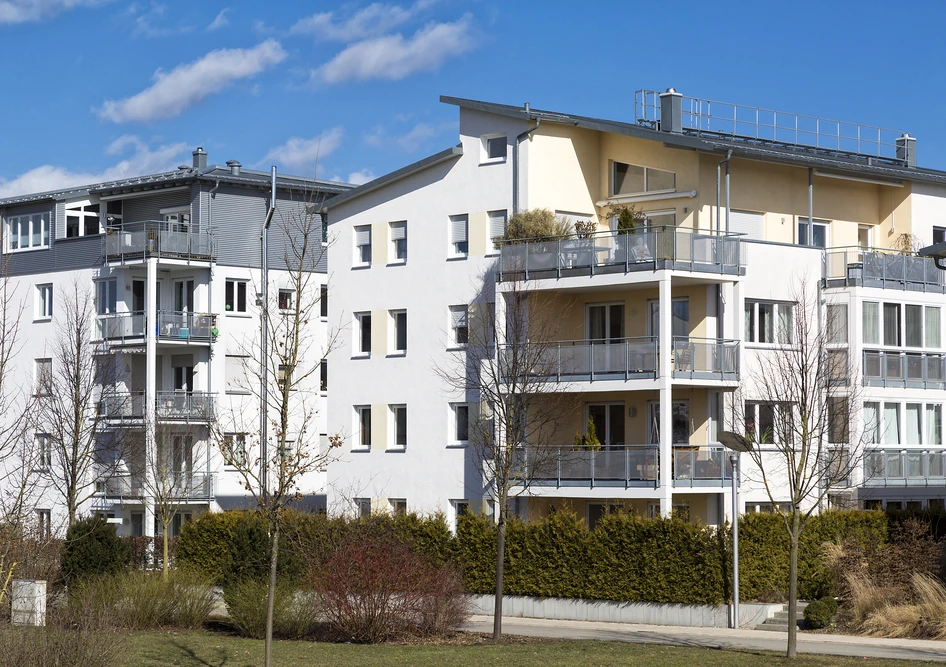

Value-add apartment investors are entering a new phase in which future returns will depend far more on property-level performance than on market-driven valuation tailwinds.
Trepp’s latest analysis focuses on 1970s-vintage apartment communities, a cohort long favored by value-add investors because the properties typically offer renovation potential without requiring full redevelopment. It found that while owners generated substantial increases in property values over the past several years, much of that appreciation was driven by rising net operating income and falling capitalization rates—a dynamic that has weakened considerably since 2022.
Trepp analyzed more than 1,400 refinancing events involving nearly 1,300 apartment communities built between 1970 and 1979, comparing lender valuations as the same properties returned to the securitized lending market. Across the sample, median property values increased 63.1% or roughly $9 million over a median holding period of 59 months. Median net operating income rose 39.4%, while capitalization rates compressed by 81 basis points, and only 6.1% of refinancing pairs recorded a decline in value.
Get a Free Multifamily Loan Quote
Access Non-Recourse, 10+ Year Fixed, 30-Year Amortization
The findings suggest investors benefited from both improved property performance and an exceptionally favorable capital markets environment. Higher rents and renovations increased income, while declining cap rates boosted the value investors and lenders placed on those cash flows, magnifying gains when properties were refinanced.







 Accessibility