
How owners can better prepare for and recover from a fire
What Every Multifamily Owner Should Know About Fire Risk

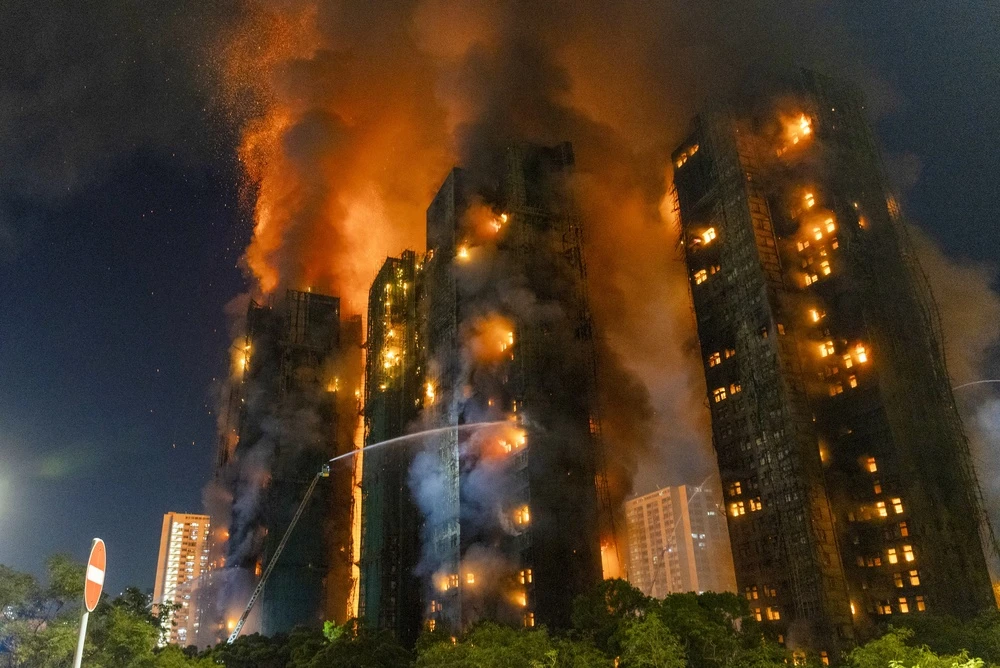
Fire incidents remain one of the most costly and disruptive risks facing multifamily owners, with aging properties, deferred maintenance, and resident behaviors all contributing to potential losses. News reports of apartment fires continue to surface nationwide, underscoring the ongoing importance of prevention, preparedness, and recovery planning.
According to the U.S. Fire Administration, from 2017 to 2019, an estimated average of 106,700 multifamily residential building fires were reported each year, resulting in an estimated annual average of 400 deaths, 3,875 injuries, and $1.7 billion in property loss. In addition, multifamily fires accounted for 29% of all residential building fires.
Multifamily Executive caught up with Rich Trepanier, president of Austin, Texas–based Gage Commercial Construction, about the properties most at risk, common warning signs, and how owners can better prepare for and recover from a fire.
Drawing on more than 25 years in the multifamily industry and extensive experience rebuilding fire-damaged communities, Trepanier offers practical advice for owners and operators seeking to strengthen fire prevention efforts and improve their readiness should an incident occur.
Are there particular property types—older assets, garden-style communities, high-rises—that tend to be more vulnerable?
In our experience, the highest-risk properties are aged multifamily assets that lack modern fire sprinkler systems and fire separation. A lot of garden-style communities built before code updates mandated suppression systems simply don’t have that layer of protection, which lets a single-unit fire spread faster and cause more extensive damage before it’s contained.
Class B and C assets tend to carry more exposure overall, often because of aging electrical systems, deferred maintenance, and older building materials that haven’t been updated. High-rises bring a different risk profile, including more complex life-safety systems and evacuation logistics, but the frequency and severity we see most often are concentrated in older, unsprinklered garden-style communities.
What warning signs should owners and managers look for during routine property walks?
Every property carries unique risk based on its location, design, and age. Conducting a formal property risk assessment at least once a year helps to identify and address issues before they contribute to an incident. Owners should evaluate key areas of the property, including seasonal hazards such as Christmas trees and outdoor grills, as well as critical building systems like fire suppression, HVAC, and electrical infrastructure.
Regular maintenance of life-safety systems is essential. Sprinklers, fire alarms, and fire extinguishers should be routinely inspected, tested, and kept up to date to ensure they are operating properly when needed.
Owners should be mindful of the risks of deferred maintenance. Delaying critical repairs not only increases the likelihood of severe damage but also complicates the insurance claim, as carriers may deny or reduce coverage if they determine that neglect contributed to the loss. By recognizing and addressing vulnerabilities, owners protect both the property and its financial performance.
Paying Too Much For Insurance?
Get a FREE quote to insure your rental properties for less.
How can operators educate residents about fire safety without creating alarm or pushback?
Owners and operators can educate residents about fire safety without creating alarm by communicating early, clearly, and consistently. The goal is to make fire prevention part of routine communication, not something residents hear about after an incident.
Routine reminders about fire risks can help residents understand their role in keeping the community safe. Some residents may be unaware of certain hazards in their homes, so owners can raise awareness of potential risks without causing unnecessary alarm. These reminders should also encourage residents to promptly submit maintenance requests so concerns may be addressed before they contribute to an incident.
Owners regularly sharing fire risk tips, procedures, and safety resources help residents feel secure and supported. Inviting residents to ask questions and raise concern strengthens trust between residents and property management.
What are the most common resident behaviors that contribute to fires?
Resident behavior that often contributes to fires includes cooking errors or leaving unattended equipment in the kitchen. Electrical fires may be caused by improperly handling electrical equipment such as using faulty or damaged cords and overloading outlets. Residents who improperly use or store grills on their patios may also contribute to fire risk. Smoking materials not fully extinguished is another one we see, particularly in older properties without updated smoke detection.
Are there specific seasonal risks property teams should address throughout the year?
Yes, fire risk shifts noticeably with the seasons. In colder months, portable space heaters are one of the biggest concerns. Residents often place them too close to furniture, curtains, or bedding, and older units without updated electrical panels can be especially vulnerable to overloaded circuits from heaters running alongside other devices. Holiday lighting is another winter risk. Beyond trees, outdoor string lights left plugged in continuously or run through damaged extension cords add exposure during the highest-traffic season of the year.
In summer, the load shifts to HVAC and electrical systems working overtime, which increases strain on older wiring and panels. This is where we see a lot of our reconstruction work originate in Class B and C properties. Grilling season also peaks in warmer months.
Year-round, dryer lint buildup in shared laundry facilities is a risk property teams sometimes overlook. It requires consistent vent cleaning regardless of season, but the risk climbs in winter when dryers run longer and more frequently.
Property teams should treat seasonal walk-throughs as a proactive part of their fire prevention plan, checking common-area electrical panels, laundry vents, and heating equipment before the season’s peak use, rather than after an incident.
You’ve helped rebuild more than 50 damaged properties. What separates a smooth recovery from a prolonged, costly one?
Depending on the severity of damage, repairs or full rebuilds can range from a few months to over a year. From a general contractor’s perspective, responsiveness, clear communication, and helping clients navigate uncertainty are just as important as technical expertise. In a crisis, property owners need to feel confident they have the right team representing their best interest.
Establishing a relationship with a general contractor can mobilize emergency crews within hours of a disaster. The ability to act quickly is crucial, as delays in securing the site can escalate damage, put residents at risk, and jeopardize insurance claims.
Recovery requires more than repairing buildings. It demands coordination across residents, insurers, municipalities, and contractors to efficiently reconstruct a damaged structure and restore homes for residents as quickly and safely as possible.
When a building remains occupied after a fire, what are the biggest challenges property teams face?
Common challenges property owners face include insurance delays and the cost of waiting, with adjuster backlogs, disputes over coverage, or slow disbursement of funds often stalling progress. These delays don’t just affect construction, they also impact business interruption insurance, which is typically time-sensitive and tied directly to your restoration timeline. If projects stall, coverage periods may expire before revenue is fully restored.
Beyond the insurance side, on-site property management teams carry a heavy day-to-day burden during a partially occupied reconstruction. They become the front line for resident complaints—noise, dust, odor, and disrupted access—often multiple times a day and have to manage expectations around a timeline that can shift as unforeseen conditions are uncovered.
Coordinating temporary relocations for residents whose units are directly affected while keeping the rest of the community informed and calm takes constant communication and can strain a leasing and management staff that wasn’t built to run a construction project alongside normal operations. Property teams also have to stay closely coordinated with the contractor on safety protocols since they’re ultimately responsible for resident safety in spaces adjacent to an active job site.
What’s the most important thing multifamily owners should be doing today to prepare for a fire that they probably aren’t doing?
To prepare strategically for an incident, owners should develop property-specific playbooks that outline step-by-step actions for different disaster scenarios. These plans include communication protocols, resource checklists, and key vendor contacts. To ensure everyone understands their role during a crisis, conduct regular fire drills with on-site staff to reduce confusion and improve resident safety if an incident occurs.
Owners should also formalize relationships with general contractors, adjusters, and emergency service providers before disaster strikes to help ensure a team is on call for quicker response.
Investing in technology should also be a priority, as it plays an important role in resident communication. By leveraging mass-communication apps, owners can share timely updates, reduce confusion, and give residents clear direction.
Other tools, such as drone monitoring for proactive inspections and insurance tracking software, can help teams stay organized. Sharing real-time updates during the event and progress reports following an event helps keep residents informed about damage assessments, repair timelines, and restoration efforts.
Source: Multifamily Executive








 Accessibility