
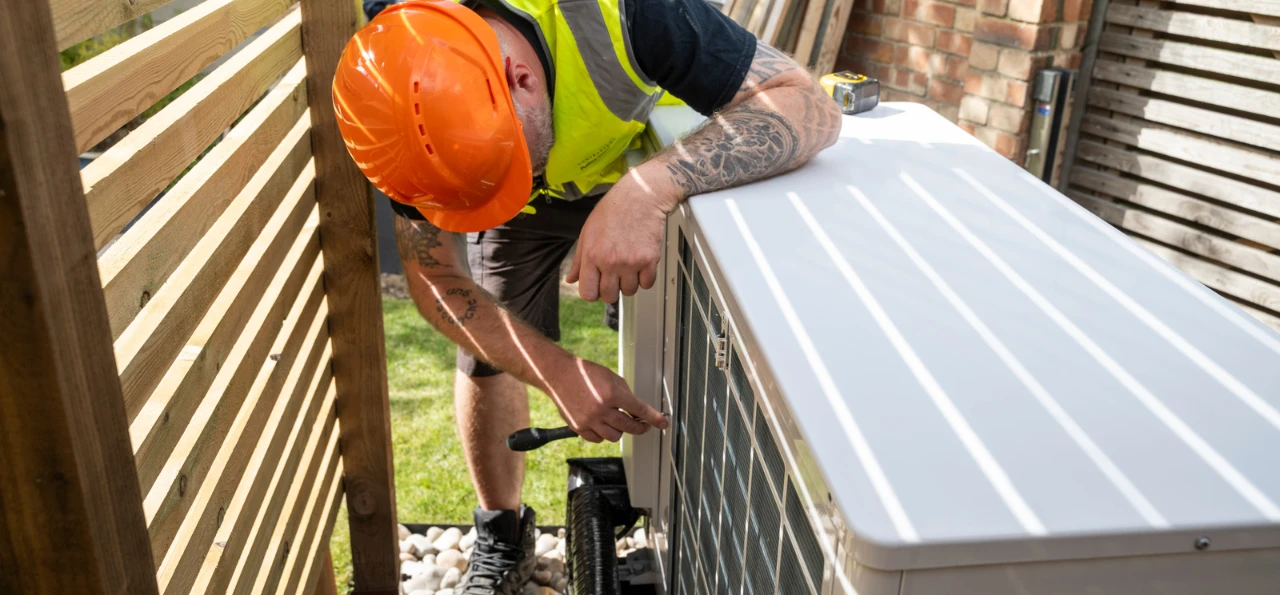
Furnace vs. Heat Pump in Rental Properties: What Landlords Should Weigh

A heating system replacement should be more than just fit for tenant comfort for the landlord. Choices of furnace vs. heat pump can impact the cost of installation, energy costs, property value, and future equipment compliance. This issue becomes especially crucial for landlords with a long-term perspective in California due to the changes in energy requirements in the industry.
“When evaluating furnace vs. heat pump, choose one that will adequately meet the demands of both the building and the occupants of the property for future energy needs, and also consider the cost of maintaining the equipment in the building for long-term use.”
An HVAC professional, Tim Alagushov, has worked throughout the Bay Area and understands the challenges landlords face when replacing outdated HVAC systems. In older rental properties, replacing a furnace often means checking ductwork, venting, and local code requirements, which is why landlords usually bring in a furnace installation contractor rather than handling the swap themselves.
Heat in a California Rental Is a Legal Duty, Not an Upgrade
In California, supplying sufficient heating is a standard requirement of landlords and not a luxury they can provide. California Civil Code defines a residential rental property as not habitable when it is inadequately equipped with heating facilities that are not in good working order and do not comply with requirements when installed.
If the property is in a relatively mild climate, this does not give landlords the license to turn a blind eye to a broken heating system.
The 2029 Rule Changes the Math on a New Gas Furnace
From January 1, 2029, the Bay Area Air Quality Management District’s zero-NOx standard applies to residential and commercial furnaces. This requirement applies to new appliances under its control, which includes the ones from Santa Clara County, including San Jose.
This does not mandate that all existing gas furnaces be eliminated until 2029. However, heat pumps are 3-5 times more efficient than gas equivalents. Landlords with old systems should look at their needs in advance before a breakdown renders an altogether dire situation.
Who Pays the Utility Bill Decides Half the Answer
Financial gains from a furnace or a heat pump for landlords rely in part on who’s paying the energy bills for the property. This separation is important to note for individual rental landlords because they must decide which of the two systems can provide them with the greatest overall profits.
Other considerations include:
- Gas furnace: If current gas connections and ductwork can be used, the cost to replace the furnace may be less expensive up-front.
- Heat pump: May be used for both heating and cooling, so there’s a possibility of reducing the need for separate air conditioning units.
- Maintenance: Regular maintenance is necessary for both systems, but not all components are the same, nor are their needs, and they both differ slightly.
- Up-to-date heating and cooling can be a desirable attribute to prospective tenants.
Landlords should take into account the costs of the installation when figuring out the savings they can benefit from, the maintenance costs, and how long they plan to keep the property.
Check the Panel Before You Price the Equipment
The first big step that you need to take before putting a heat pump in place is to examine the electrical system of your home. Rental units often have electrical panels that were built when the demand for electricity within houses was far lower.
A professional evaluation should determine:
- The amperage and number of circuits in the panel.
- If dedicated circuits are required, their size and quantity.
- The state of current wiring.
- The electrical demand of the proposed heat pump.
- Whether a permit will need to be applied for, or if a permit is in place, and whether additional electrical work is required.
Assessment upfront will ensure that landlords know what they have and have a suitable budget for it, prior to committing mid-implementation to issues in rental property heating.
A Quick Decision Table for Your Next Replacement
Throughout San Jose, IRBIS applies its expertise with older facilities and Carrier-approved hardware to the project and questions itself with regard to the building and whether it can handle the proposed installation.
A quick decision table for your next replacement:
|
Consideration |
Gas Furnace |
Heat Pump |
|
Installation cost |
Often lower if existing connections are suitable |
Can be higher if electrical upgrades are needed |
|
Energy efficiency |
Converts fuel into heat |
Moves heat using electricity |
|
Cooling |
Requires separate AC |
Provides heating and cooling |
|
2029 Bay Area rules |
New replacements must meet zero-NOx standards |
Meets the zero-NOx requirement |
|
Best suited to |
Properties with suitable existing infrastructure and compliant equipment |
Landlords seeking an integrated heating and cooling solution |
Where possible, in your choice, get estimates for installation of both options.
Conclusion
Furnace or heat pump in rental property heating? San Jose landlords have a series of factors to consider, such as installation costs, renters’ costs, electrical capacity, and future regulations when selecting heating solutions. Be prepared and have a plan to avoid expensive shocks if equipment breaks down. Schedule a professional HVAC inspection prior to your next unit replacement if you’re interested in making the best investment you can for the years ahead and years to come.








 Accessibility