
When revenue grows 10% a year, nobody panics
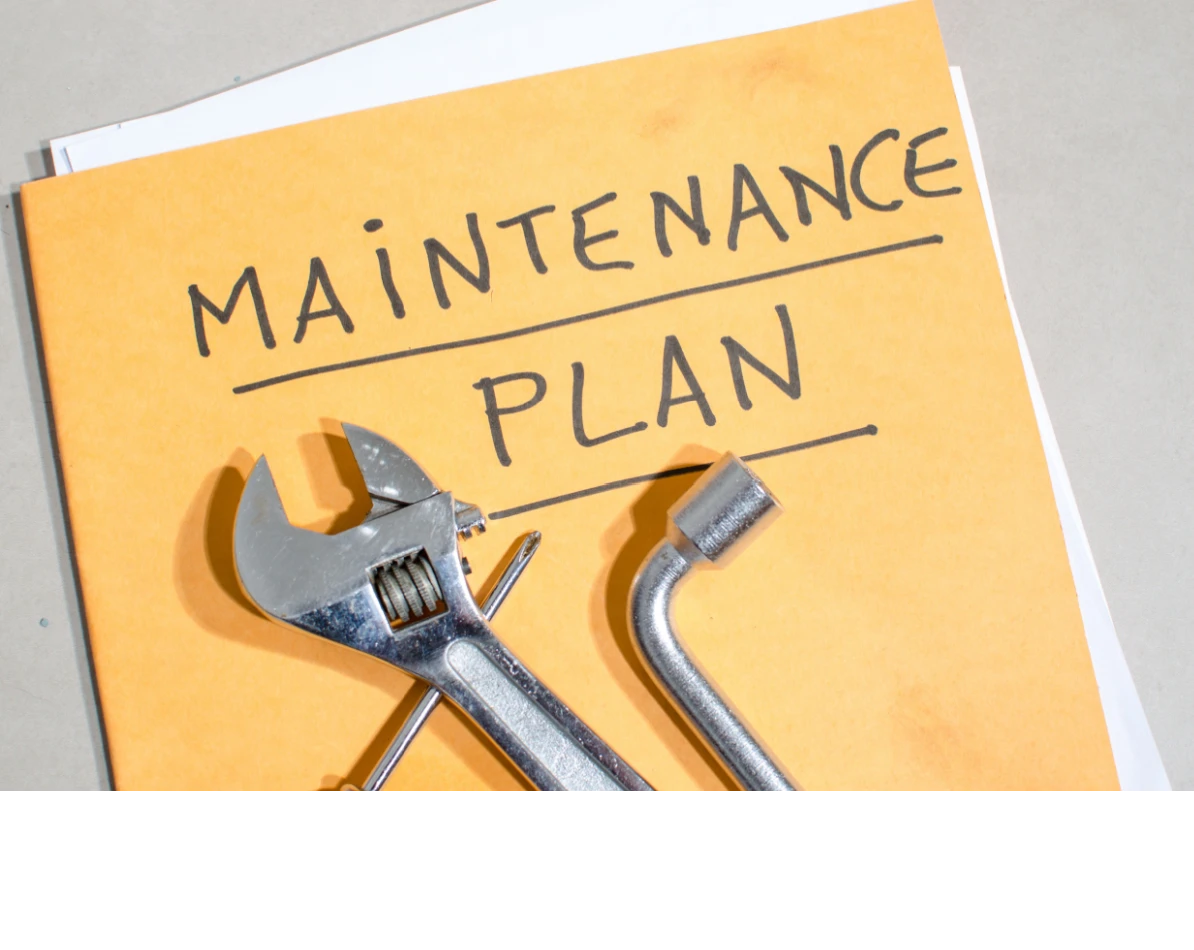
5 Ways to Win on Maintenance When the Rent Growth Party Is Over

Here is the uncomfortable truth: for the past three years, rising rents covered a lot of operational sins. Deferred maintenance, inefficient turns, bloated vendor contracts. When revenue grows 10% a year, nobody panics. But that era is over.

Sun Belt markets got hit hardest: Dallas at -1.2%, Miami at -1.0%, Austin down more than 20% from its 2022 peak. Units are sitting vacant 38 days on average, more than twice as long as the 2021 peak. And per PwC’s 2026 Emerging Trends report: ‘Everyone thought 2025 would be the year of recovery; now everyone is hoping 2026 will be that year.’
The NAA’s 2024 Income/Expense IQ report, covering 4,600+ properties and over 1 million units, confirms the industry is in a full cost-efficiency phase. NOI is still growing, but barely. At a 5.0% cap rate, every $10,000 saved in annual maintenance costs is $200,000 in asset value. Here are five places to start.
The 5 Strategies
1. Stop Fighting Fires. Start Preventing Them.
Reactive maintenance is expensive maintenance. Emergency calls, after-hours labor, parts rushed overnight, and small problems that became big ones because nobody caught them early. Build a real preventive maintenance schedule for HVAC, water heaters, appliances, and common area systems. Track completion rates. A property running above 90% PM completion looks very different on a budget report than one that is always in crisis mode.
2. Cut Turn Times. Every Day a Unit Sits Costs Real Money.
Units are taking 38 days to lease right now. Every unnecessary day your unit sits vacant during a turn is income you will never recover. Audit your make-ready process end to end. Is the inspection happening the day of move-out, or three days later? Are vendors scheduled before the resident leaves? A tight make-ready program gets most units from move-out to lease-ready in three to five days. Track turn cycle time weekly and treat it like a revenue metric, because it is one.
3. You Can’t Manage What You Can’t Measure
Most property management systems have a basic work order module that was built to log tickets, not run a maintenance operation. If your team cannot tell you the average work order completion time, callback rate, or PM completion percentage across every property, you are making budget and staffing decisions in the dark. Purpose-built maintenance platforms give operators real-time visibility into exactly those numbers. The teams outperforming right now are the ones making decisions from data, not instinct. The catch: the platform only works if your techs use it on every single work order. Adoption is everything.
4. Callbacks Are Your Most Expensive Line Item Nobody Tracks
A callback doubles your labor cost, frustrates the resident, and tanks your satisfaction scores. Mark Sharp of The Maintenance Academy puts it simply: “healthy operations keep callbacks under 5%, and once you move above 8%, training gaps, rushed diagnostics, or poor repair standards are usually the cause. Because every callback can cost nearly 2x the original repair, callbacks do not just hurt maintenance, they hurt NOI.” If your rate is creeping past that threshold, you have a training gap. Invest in skill-building: HVAC basics, plumbing diagnostics, appliance repair. Better technicians close more work orders correctly the first time, which means fewer callbacks, faster completions, and residents who actually renew. In a market where keeping a resident costs far less than replacing one, this math matters.
5. Make Maintenance a Leadership Conversation, Not an Afterthought
If maintenance data only surfaces when something breaks, leadership will only think about maintenance when something breaks. Build a simple monthly scorecard that reaches ownership: turn cycle time, callback rate, preventive maintenance completion, resident satisfaction scores, and spend per unit. When leadership sees maintenance as a performance function instead of a cost center, they invest in it differently. And right now, that investment is one of the clearest paths to protecting NOI.
The Bottom Line
The operators who outperform in this cycle will not be the ones waiting for rents to recover. They will be the ones who used the slow period to build leaner, faster, more disciplined maintenance operations.
Source: Multifamily Insiders








 Accessibility