
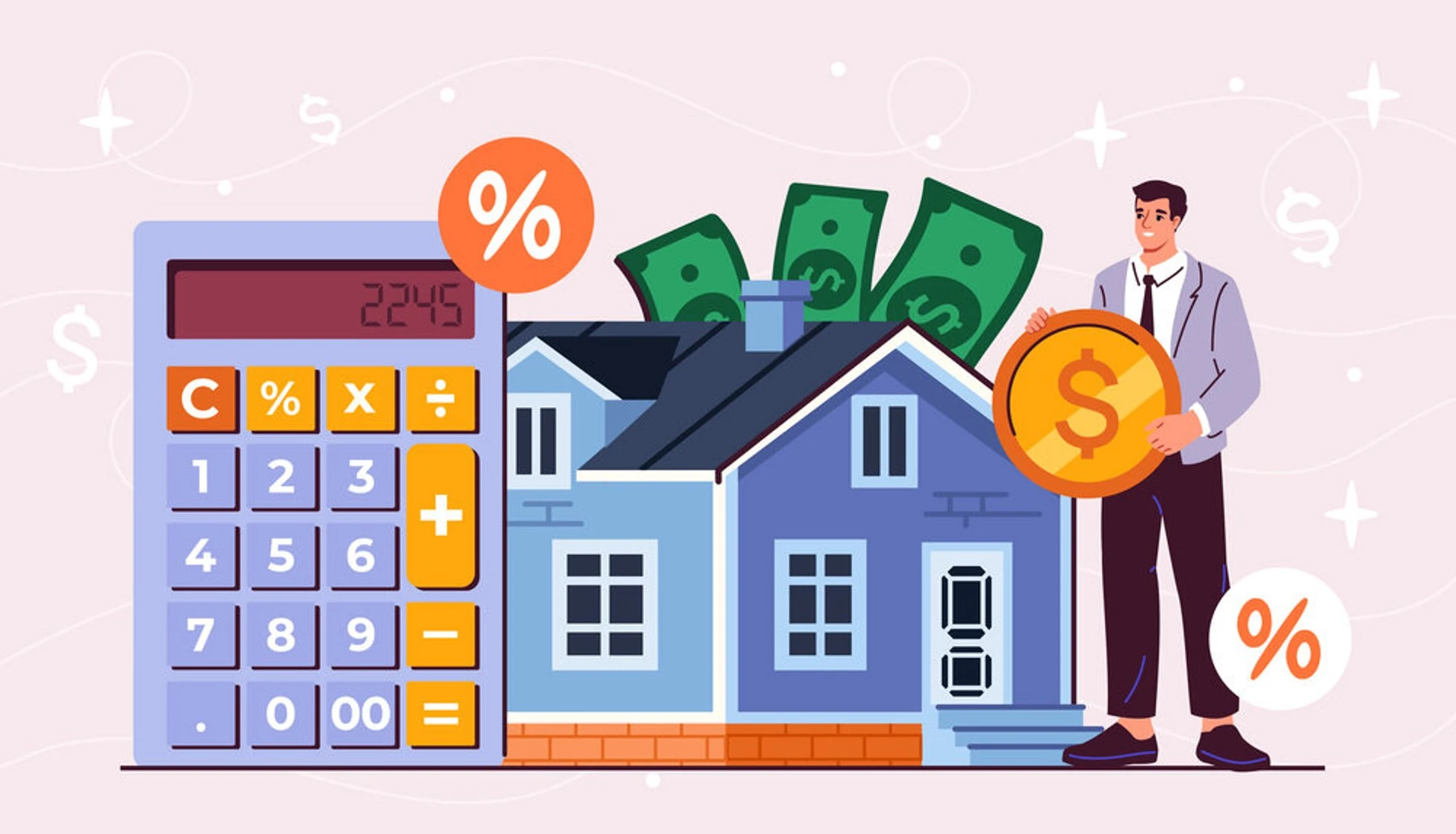
Best Budgeting Apps for Landlords (2026)

Best budgeting apps for landlords start with a personal finance tool that keeps day-to-day spending under control, then add a property-specific platform once per-unit accounting becomes necessary. PocketGuard does the first job better than almost anything else on the market, and tools like Stessa, Baselane, Landlord Studio, and Avail handle the second job once a rental business grows past a side hustle.
Most guides aimed at landlords skip straight to property management software and miss a basic truth: a landlord is a person first. Before worrying about Schedule E categories or tenant portals, it helps to know where the money goes every month — and a personal budgeting app solves that, not a rental accounting platform.
Why Landlords Need a Different Approach to Budgeting
Owning a rental property changes cash flow in ways a generic budget spreadsheet wasn’t built to handle. Rent arrives on irregular schedules, repair bills show up without warning, and one missed payment can throw off an entire monthly plan.
Rental income isn’t a regular paycheck
A salaried employee gets the same deposit every two weeks. A landlord does not — rent might arrive on the first, the third, or the tenth, and some months bring a vacancy where income disappears entirely. Roughly 8,963,354 landlords currently file taxes in the US, and a large share rely on that income to cover real expenses. Among the best household budgeting apps, the ones that hold up for landlords build in a buffer for income this uneven.
Personal and property expenses get tangled fast
Many independent landlords run their rental out of the same checking account used for groceries and gas. A new water heater gets paid from the same card as the electric bill – not laziness, just how most small-scale landlords operate. Among rental properties with individual landlords, 80% are owner-managed, meaning most readers here handle personal and rental finances themselves, with no bookkeeper in between.
What to Look for in a Budgeting App as a Landlord
Not every feature matters equally once rental income enters the picture. A few capabilities separate a tool that helps from one that gets abandoned after a month.
Separating personal and rental cash flow
The clearest sign of a useful app is whether personal spending stays visible without rental noise mixed in. A dedicated account or cash category for the property, kept separate from groceries and entertainment, prevents one bad repair month from looking like personal overspending.
Tracking rent as recurring income
A good app treats rent like a paycheck: a predictable, recurring deposit to plan around. Flagging rent specifically, rather than lumping it with miscellaneous deposits, makes it easier to spot a late payment the moment it doesn’t show up.
Categorizing repairs and maintenance for tax season
Maintenance and repair costs need their own bucket, not a generic “other expenses” tag. Average annual maintenance for a single-family home exceeds $10,000, so even a small misclassification can distort the numbers come tax season.
Alerts for late or missing rent
Real-time notifications matter more for a landlord than for almost any other budgeting use case. A tenant’s payment landing late should be obvious the same day, not three weeks later during reconciliation.
What these apps won’t do
A budgeting app, however capable, does not generate a lease, run a tenant credit check, or file a Schedule E automatically. That’s a separate category of software entirely, and treating a budgeting app as a substitute for it just creates a messier tax season later.
Top Budgeting Apps for Landlords in 2026, Compared
|
App |
Best for |
Starting price |
Mobile app |
|
PocketGuard |
Getting started with personal + rental budgeting |
Free; Plus from $12.99/mo |
Yes |
|
Stessa |
Free multi-property tracking |
Free; Pro plan available |
Yes |
|
Baselane |
Banking and bookkeeping in one place |
Free core platform |
Web only |
|
Landlord Studio |
Tax-ready reporting |
Free; paid from $12/mo |
Yes |
|
Avail |
Tenant-facing tools plus budgeting |
Free; paid from $9/unit/mo |
Web only |
1. PocketGuard
Best for: Getting started
Key features:
- The “Leftover” number, showing how much is safe to spend after bills, goals, and necessities are covered
- Pace, which shows whether your overall budget – with uneven rent, repairs, and everyday spending – is on track before month-end
- Insights for analyzing spending trends over time
- Zero-based, envelope-style, or custom budgeting
- Automatic transaction categorization across unlimited linked bank accounts, credit cards, and loans
- Bill tracking and subscription detection, so a forgotten recurring charge doesn’t quietly drain rent income
- Custom spending categories that can mirror rental versus personal expenses
- A built-in debt payoff planner using either the avalanche or snowball method
Why it works: For a landlord who owns one or two units and manages everything personally, PocketGuard solves the problem that matters most: knowing what’s safe to spend right now and whether the month is on track, with rental and personal income in one realistic picture. Insights shows where your money went, Leftover shows what you can spend after bills, and Pace shows if you’re on track for the month. That helps when rent comes in late or a repair bill shows up mid-month. The budgeting app connects to bank accounts, credit cards, and loans, so a mortgage payment, a rent deposit, and a grocery run all show up together instead of three disconnected ones. There’s nothing to configure for “unit one” versus “unit two” – rental income and repair costs get categorized like any other transaction. For most landlords not yet running a multi-property operation, it’s the simplest way to stay in control without paying for tools built for a much larger portfolio.
2. Stessa
Best for: Free multi-property tracking
Key features:
- Automated income and expense tracking by property and portfolio
- Free landlord bank accounts opened directly through the platform
- Mobile app for managing properties on the go
- Built-in tools for the leasing process, from listing a vacancy to signing a new lease
Why it works: Stessa is built for residential real estate investors, with automated tools that track income and expenses, collect rent, and generate performance metrics across owned properties. Landlords with three or more units who want a clear snapshot of each property, without a monthly fee for the basics, get real value here, and the mobile app makes it easy to check numbers on the go.
3. Baselane
Best for: Banking and bookkeeping in one place
Key features:
- Free business banking built specifically for rental property income
- Automated rent collection with ACH and card payments
- One-click transaction categorization using 120+ real estate-specific categories based on Schedule E
- Unlimited checking and savings accounts per property
Why it works: Landlords who want banking and bookkeeping in one place find a strong fit here. Baselane combines purpose-built banking for real estate with integrated rent collection and bookkeeping at no cost – a real time-saver for anyone tired of reconciling a personal account against a spreadsheet.
4. Landlord Studio
Best for: Tax-ready reporting
Key features:
- Schedule E tax reports generated automatically from tracked income and expenses
- Receipt scanning with OCR, so paper receipts get logged the moment they’re captured
- Mileage tracking for property-related travel
- Bank feed syncing with AI-assisted categorization
Why it works: Landlords who dread tax season benefit most here. Schedule E reports and bank feed syncing give deeper financial control, generating IRS-compliant reports that simplify filing across multiple properties. A receipt photographed in a hardware store parking lot arrives already categorized by the time you’re home.
5. Avail
Best for: Tenant-facing tools plus budgeting
Key features:
- Online rent collection with payment history tracking
- Lawyer-approved lease agreement templates
- Tenant screening and rental listing syndication across multiple sites
- A rent analysis report to help set competitive pricing
Why it works: Avail serves primarily as a rental listing and rent collection platform, with tools for tenant screening, expense tracking, and lease creation. Independent landlords who want budgeting alongside tools for finding and managing tenants, without juggling three logins, get a practical all-in-one starting point.
Budgeting App vs. Property Management Software: When to Switch
A personal budgeting app like PocketGuard covers the financial picture well when managing one or two properties solo. Once a portfolio grows past three or four units, or contractor invoices pile up faster than they can be tracked, dedicated property software starts pulling its weight. The trigger isn’t a fixed unit count – it’s whether more time goes into formatting spreadsheets than managing tenants.
Most property management services charge 8% to 12% of monthly rent, so before outsourcing entirely, it’s worth testing whether better software closes the gap. Many landlords run a budgeting app and a property-specific tool side by side: one for the household picture, one for per-unit accounting. For someone with a day job and a handful of doors, that combination often beats either tool alone.
Verdict
Managing personal finances and rental income from the same starting point – which describes most independent landlords – calls for the clearest, fastest way to see where things stand. PocketGuard’s “Leftover” feature tells you how much you can safely spend right now, rent included. Pace shows if your month is on track before it ends. Among every best budget app built for individuals rather than property portfolios, this is the one that scales most naturally from a single rental into a small side business. Stessa, Baselane, Landlord Studio, and Avail each solve a more specialized problem once a portfolio grows, and choosing between them comes down to whether multi-property tracking, integrated banking, tax-season reporting, or tenant tools matter most.
FAQ
Can I use a regular budgeting app for rental property?
Yes, especially when managing one or two units personally. PocketGuard can track rental income as a recurring deposit, categorize repair costs separately from personal spending, show a true safe-to-spend number with rental cash flow included, and forecast whether the month is on track. It becomes less practical once several properties need complex, property-specific reporting.
How do I separate rental and personal expenses?
The most reliable method is creating distinct categories, or a separate linked account, for rental income and expenses. This keeps a repair bill from blending into the grocery budget and makes accurate numbers easier to pull at tax time.
When should a landlord upgrade to dedicated property software?
Consider switching once a portfolio grows past a few units, tenants have different lease terms to track, or hours each month go into building reports for an accountant. At that point, per-property automation in tools like Stessa or Baselane saves more time than a general budgeting app can offer.








 Accessibility