
What if a landlord wants to end the lease early?
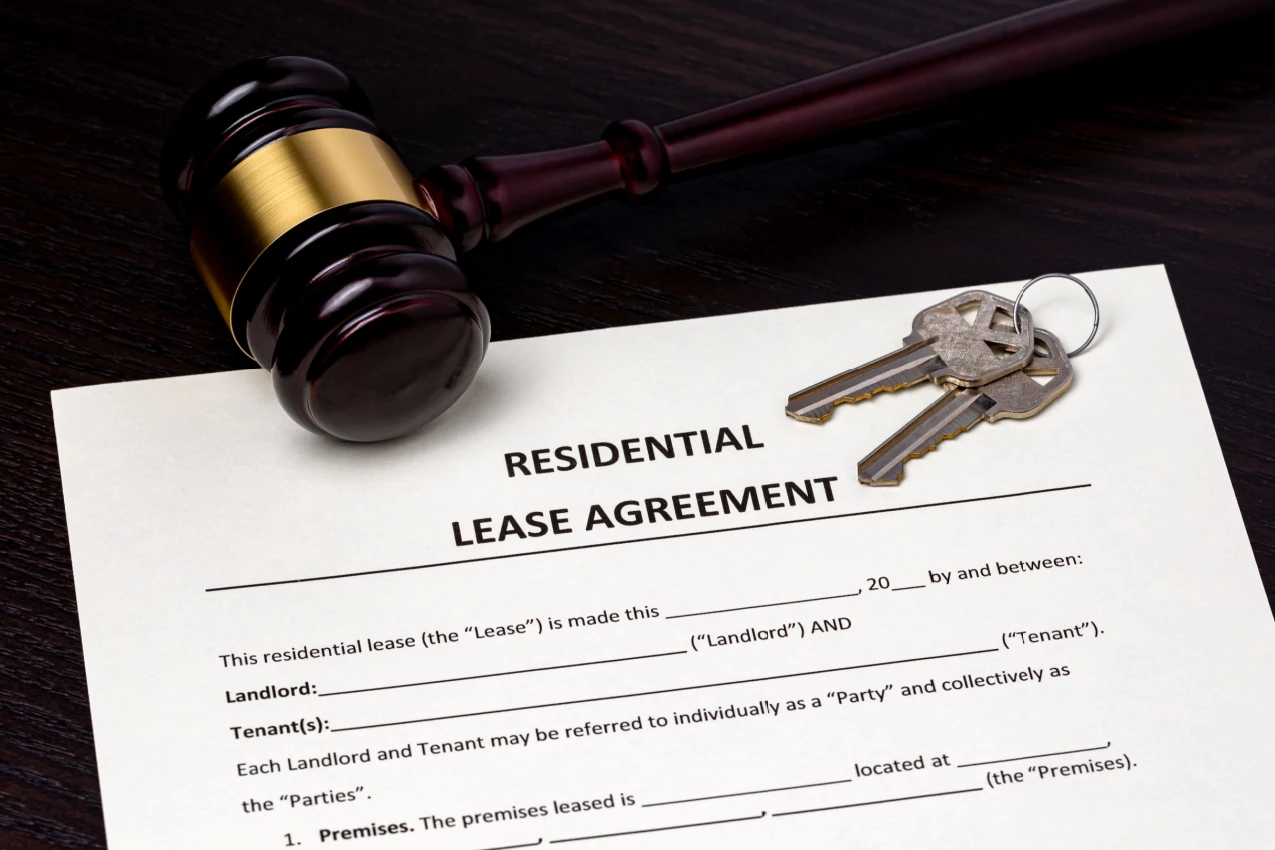
Can a Lease Be Broken By The Landlord?

What if a landlord wants to end the lease early can the lease be broken by the landlord and under what circumstances?
A rental contract is normally viewed as ironclad by both the landlord and the tenant. However, there are times when one of the parties may want to end the lease early. What if that party is the landlord?
In the United States, landlords are obligated to comply with all federal laws in addition to landlord-tenant laws in the states where their properties are located. Technically, a landlord can break a lease early, but not without good reason. Unless the tenant violates the lease, the landlord’s grounds for early termination must be stipulated and agreed upon within the lease agreement.
For instance, landlords cannot end a lease for reasons such as selling the property unless it’s specified in the lease agreement. Some landlords prefer having tenants out of their properties before they put the houses on the market.
Reasons a Landlord Can Terminate a Lease Early
A landlord needs “just cause” to end a lease before its stated expiration date. Common reasons include:
-
- Non-payment of rent. If the tenant does not pay the rent over a period of time, the landlord can begin eviction proceedings.
- Significant lease violations. Repeatedly causing significant damage to the property, making excessive noise, subletting without permission or violating other terms of the lease, such as having unauthorized pets, are legal reasons to break a lease.
- Creating a safety threat to others or the property. Extensive repairs that make the property uninhabitable can sometimes justify early termination.
- Unlawful behavior. Engaging in illegal activities or other serious misconduct by the tenant.
- Specific lease clauses. Some leases may include clauses that allow for early termination by the landlord under specific circumstances.
- Landlord wants to move into the property. Only if the lease agreement has a clause allowing for this. The landlord must give the tenant adequate notice and may not move in until the current tenant leaves.
- Agreement to end. The landlord and tenant mutually agree to terminate the lease early.
- Renovations or repairs. If the landlord requires full access to the property to carry out renovations or repairs, or if the upgrades will violate health and safety standards, then they may terminate the lease early.
Need Legal Help?
Chat with a real estate lawyer near you. It’s only $5 for a 1-week trial. Ask unlimited questions.
Reasons a Landlord Cannot End a Lease Early
- Retaliation. A landlord cannot end a lease early in retaliation for the tenant exercising their legal rights, like reporting unsafe living conditions.
- Landlords cannot terminate a lease based on a tenant’s race, religion, gender, national origin, disability, or family status.
- Other personal preferences. Ending the lease early cannot be done without a contractual or legal basis.
- Simply wanting to sell the property.
- No valid reason. There is no legal basis for a landlord to end a lease early if the tenant has not violated the terms of the agreement and there is no other valid reason specified in the lease.
Landlord’s Responsibilities When Terminating a Lease
Even with a valid reason, landlords must follow specific legal procedures and provide proper notice to terminate a lease or begin an eviction process.
To legally end a lease early, a landlord must:
-
Provide a written notice. This notice specifies the reason for termination and provides the tenant with a specific time frame to address the issue or vacate the property.
-
Follow proper legal procedures. This may involve formal eviction proceedings if the tenant does not comply with the notice.
-
State and local laws. Tenant and landlord rights vary by state and local jurisdiction, so it’s essential that the landlord is aware of the specific laws in each area.
Please be sure to check your local city and state laws on this issue as there are many different rules on this top in different states and cities.
Source: Rental Housing Journal







 Accessibility