
What Your Prospects Tell Us (But Won't Tell You)

Confessions of an Apartment Locator

I’ve spent years in Austin as an apartment locator, riding shotgun on people’s entire search. I hear the jokes, the panic, the side comments as we exit the community and talk out front on the way to the next tour.
Here is the secret: renters tell me things they will never say to your leasing team.
They will rant about “lying photos,” roll their eyes at junk fees, and admit they are terrified of getting denied. They will tell me they read about the bad reviews mentioning all the problems about your community, or that your move‑in special sounded like a math problem.
You may just see a no‑show, a “cold” lead, or another “we’re still looking” email. I see what actually happened.
This article is the cleaned‑up version of what I hear all week. Not to bash your team, but to help you close more leases with less friction in a 2025 Texas market where renters have options, data, and backup plans.
We are going to talk about four big confessions: photos that do not match reality, prices and fees that feel sketchy, people and processes that make renting harder, and money fears nobody wants to say out loud.
If you work on-site or are an apartment owner, this is what your prospects really think. They are just telling it to me instead of you.
What Renters Tell Their Locator (But Not Your Leasing Office)
Think of me as the translator between your property and your future residents.
Renters are honest with me because I am not the one approving or denying their application. I am the person who says, “yeah, paying that fee is weird” or “we can find something cheaper if we look over here.”
There is no sales script. No clipboard. Just, “tell me what has you worried so we can find a solutions and move forward.”
The dirty little secret is that the same complaints your prospects whisper to an apartment locator often show up later in your numbers. Many tours, very few applications. Apps started but never finished. Great tours followed by silence. Surprise one‑star reviews about fees and slow replies.
National renter data backs this up. Surveys from places like Apartments.com and Zillow in 2024 and 2025 show most renters now do heavy online research, then apply to one or two places. If anything feels off, they simply move on and ask for more options. No fight, no feedback, just a quiet “no.”
Why renters trust apartment locators with the messy truth
With an apartment locator, renters can share concerns they may feel uncomfortable mentioning during a tour.
They admit things like, “I recently started a new job,” “I am scared of all the monthly fees,” or “I feel dumb asking what ‘concession’ or ‘net effective rent’ means.” They tell me they are worried because they were just denied somewhere else.
That honesty is gold. It shows exactly what is blocking them from applying and signing a lease, even when the unit fits on paper.
If you knew what they were scared of, you could speak to it directly.
How this honesty shows up in your numbers
All that unspoken stress turns into real business problems.
You see:
- Lots of showings but a weak application rate
- Strong applicants who “loved it” then ghost
- Denials that explode into angry reviews about “unfair screening”
- Complaints that your pricing is shady, even if your rents are fair
At the same time, research like the Apartments.com Q2 2025 renter survey shows people are shortening their search windows and moving faster, but only after they have pre‑screened you hard online. If they smell drama, they bounce.
Free Rental Application
Get 20 Rental Forms for FREE, including a rental application.
Let’s get into the actual confessions.
Confession 1: “Your Online Photos Are Lying”
This is one of the most common rants I hear.
“The pics looked amazing, but the actual unit felt tired, tiny and looked nothing like the pictures.”
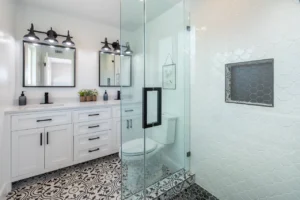
“The kitchen in the photos had white cabinets. Mine had those brown 2005 cabinets and was a classic unit we toured.”
“They called it ‘spacious.’ My couch barely fit.”
Renters are not just being picky. They are basing their whole short list on your photos. Apartments.com’s 2025 insights show that price, availability, and photos top the list of what renters want to see online, and 80 percent plus say good photos and floor plans are must‑haves for a listing that feels “real” to them. You can see some of that data in their piece on top features renters want in 2025.
RentCafe’s June 2025 survey also found that visual content of the actual unit, not just the model, is one of the biggest helpers in a search. When photos do not match reality, trust dies in the first five seconds of a tour.
Once they feel tricked, they take you off the list, and you usually never hear why.
What prospects really see when they compare your photos to reality
From the renter side, it goes like this.
They scroll a listing with bright, wide‑angle shots and think, “Okay, this looks nice.” They imagine working from that kitchen island, or their dog stretched out in that living room.
Then they walk into the real unit and see scuffed vinyl, older appliances, and a bedroom where the queen bed touches two walls. The view that looked “lush” on the site is actually the parking lot.
They instantly start scanning for other problems. If the pictures were that far off, what else is being hidden? Maintenance? Safety? Noise?
Apartments.com has been talking about this shift for a while. Their piece on unit‑level details renters crave and the follow‑up article “Renters Aren’t Interested in Your Model Unit” both stress the same point. Renters want unit‑specific pricing, photos, and availability, not a polished model that nobody actually gets.
In a 2025 Austin market with plenty of vacancy and new product, they do not have to settle. They just book a different tour.
How to fix listing photos so renters trust you again
You do not need a Hollywood shoot. You need honest, clear, unit‑level content.
A simple approach that works:
- Show the actual available unit when you can, not just the model
- Add a clean, readable floor plan so they can picture their furniture
- Avoid angles that stretch the room size to cartoon levels
- Do not crop out normal things like vents or small dings
- Add at least one quick video walk‑through or 3D tour
Apartments.com reports that about 81 percent of renters are interested in 3D tours, and floor plans rank just behind photos in importance in their Q2 2025 feature breakdown.
Honest photos do not scare good renters away. They filter in the ones who say, “Yes, that looks like my actual life,” then show up ready to sign.
Confession 2: “I’m Comparing You To 15 Other Communities And I Don’t Trust The Price”
Here is what really happens on their phone.
They sit with me and say, “Can you help me compare these 3 apartments?” Then we build a rough spreadsheet: base rent, parking, pet rent, trash, pest control, wifi, amenity fees, move‑in specials, all of it.
The properties that look fuzzy or incomplete on price usually get cut first.
Recent renter research shows the same pattern. Zillow and Apartments.com both report that renters now tour only a few communities in person, but they research many more online first. Over 80 percent say clear pricing and fee information is a top priority. Other surveys show a large majority want all fees listed up front, not buried in fine print.
When they see a $25 “community fee” pop up at the last second, they read it as: “What else are they hiding?”
The spreadsheet in their phone: how renters really shop now
Most renters now build a mental or literal scorecard.
They start with 10 to 15 places pulled from sites like RentCafe or Zillow, then filter by:
- Photos and floor plans
- Rent range
- Parking and pet rules
- Reviews and ratings
Apartments.com’s renter search study in 2024 found that listings with full unit details, including clear pricing, got far more tour requests than vague ones. Their more recent Q2 2025 survey shows renters care most about price, location, and safety, but they use these online details to decide who even earns a visit.
So when they plug your numbers into that spreadsheet and find a surprise $15 pest fee, $35 trash valet fee, $25 package and locker fee, $10 amenity fee, $12 boiler fee plus $95 technology fee that includes internet and cable where it wasn’t clearly notated, you look less honest than the apartment community next door, even if your base rent is lower.
Hidden fees, confusing specials, and why they quietly walk away
There is a real “fee fatigue” out there. I hear it every week.
National renter preference reports in 2024 and 2025 keep hitting the same themes. Most renters say unexpected fees are a top reason they stop a lease process. Many also say they want “all‑in pricing” at the listing stage.
On top of that, federal agencies have started going after “junk fees,” including big property managers who hid charges deep in 50‑page leases. So no, your prospects are not paranoid. They are reading the news.
Simple fixes help a lot:
- List every recurring monthly fee right on your website and ad
- Show a sample “total monthly cost” for a common floor plan
- Explain specials in plain numbers, not slogans
If you are offering “six weeks free,” spell out what that actually does to month one and the ongoing rent. Renters who read guides like RentCafe’s 2025 apartment search tips are already being told to watch out for this stuff.
If your price feels clear and predictable, you climb to the top of their list fast.
Confession 3: “Your People And Process Made This Harder Than It Needed To Be”
Sometimes a renter likes your building, your floor plan, and your location.
They still pick your competitor.
When I ask why, their answer is almost never “your pool was smaller.” It is usually, “Their team made this so much easier.” or “I felt like they wanted me there.”
Three patterns come up again and again for renters who need help finding an apartment in Austin: tours that feel like bad dates, slow or unresponsive follow‑up, and application processes that feel like an audit.
Tours that talk at renters instead of listening to them
You know the tour I am talking about.
The agent talks for 20 minutes about their weekend, lists every amenity, and never asks a real question. The renter sweats through a 45‑minute loop in August, then leaves more confused than when they arrived.
What renters actually want is simple. A short, focused tour that shows how their real life fits the space.
Three small habits make a big difference:
- Start with two or three easy questions, like “What are your top three must‑haves?”
- Repeat back what you heard, so they know you get it
- Shape the tour around that list
Remote worker? Show quiet building options, outlets, and where the wifi gear lives. Dog owner? Lead with the dog park, pet fees, and nearby vets.
When they feel seen, they stop comparing you only on price.
Slow or generic follow up is costing you leases
I cannot count how many times I have heard this:
“I liked Community A, but Community B followed up and answered my questions, so I went with them.”
Zillow research in 2024 found about 70 percent of renters expect a reply within 24 hours. Sales studies across housing types show that if you respond in the first 5 minutes, you are many times more likely to make contact and convert.
The apartment industry is catching up. The National Apartment Association reported in late 2024 that communities using fast, AI‑assisted first responses cut lead‑to‑move‑in time by roughly 4 to 7 days and saw conversion bumps in the 10 to 20 percent range.
So what does that look like day to day?
- An instant, human‑sounding auto‑reply that gives real info, not just “thanks for your interest” in addition to leasing agents that actually answer the phone when the prospect requests to speak with someone in the leasing office
- A personal follow‑up within a few hours that addresses one specific concern from their inquiry or tour
- A short text or email the next day, not a drip campaign that ignores what they told you
“Hey Sarah, you mentioned covered parking. I checked, and we have three covered spots open near the B building. Want me to hold one while you apply?” is gonna close more leases than any generic email blast.
Your application process feels like an audit, not an invitation home
This is where you lose a lot of tired, busy renters.
They tell me, “I loved that place, but their app wanted my last two years tax returns and six bank statements with the net ending balance equal to or greater than 10x the monthly rent. I just did not have the energy.”
Remember, a typical renter in 2025 may have two or three applications out at once and income from a side hustle that doesn’t connect to SNAAPT or allow for easy uploads from doordash, uber, lyft, cashapp, venmo, chime and more. They pick the property that lets them apply on their phone in under 10 minutes, with criteria they understand where we, as experienced apartment locators, know they won’t deal with the run around.
A few simple shifts help:
- Cut your application fields to what you actually use to decide
- Accept digital pay stubs and provide various options for renters to provide documented income or proof of assets
- Allow e‑signatures for everything you legally can
- Post your basic screening standards in plain language and not a vague Yardi document that doesn’t provide any meaningful insight
- Separate nonrefundable app/admin fees from refundable deposits and label them clearly along with when they are do and what any extra fees might be if they are approved with conditions
Renters who read resources like RentCafe’s ultimate renting guide are told to watch fees and screening rules. If you make those simple and transparent, they might feel invited, not judged.
Confession 4: “I’m Scared To Tell You About My Money, My Fears, And What Residents Said”
This is the soft stuff that rarely gets said out loud on tour, but drives almost every choice.
Surveys in 2024 and 2025 keep saying the same thing. Price is the top driver for roughly 8 in 10 renters, and a big share move mainly to lower their monthly costs. At the same time, renters now read online reviews, check ratings, and even look at crime maps before they meet you.
So they walk in with strong opinions, money concerns, and whatever they heard by the leasing office from your current residents.
They say “I’ll think about it” when they really mean “I can’t afford this”
Very few people will stand in front of a leasing agent and say, “This is out of my league.”
They just smile, say “We have a few more places to see,” then tell me later, “I need something closer to $1,200” or “I can not go above $1,700 with my car loan.”
Industry reports show that unaffordable rent and extra fees are top reasons renters bail. I see that play out daily in Austin with so many communities that are now are offering concessions to try and increase occupancy.
You can make this easier with a couple of soft questions:
- “What monthly range feels safe for you?”
- “If this feels high, want to see smaller floor plans or a different move‑in date?”
If your building or units simply sit above their budget, say that kindly and let them go, instead of pushing for an application where they might not meet the income qualification. You save both sides time and goodwill.
Silent fear of denial and screening shame
A lot of renters carry quiet shame around credit, old debt, or a background report.
They worry about a medical collection, an eviction from years ago, or even an error on a tenant screening report. The Consumer Financial Protection Bureau has flagged these issues for years, including in reports on tenant background checks and how to dispute mistakes.
Most renters have no idea what is a real deal breaker and what is not. So they stay vague on tour, then ghost when it is time to submit an application and pay the fees.
- When a prospect feels like you will treat them fairly, they stick with you, even if they are not perfect on paper.
You can lower that fear by:
- Explaining your criteria in simple terms, not legal code or a screening criteria document that doesn’t actually say what the requirements are
- Separating “automatic denials” from “things we can talk through” with clear upfront language and prompt communication23
Residents, reviews, and why your reputation matters more than your script
Here is a scene that happens all the time.
A prospect tours your property, then chats with residents on-site in the elevator or dog park on the way out. Those residents talk about what they either like or don’t like. They might talk about package theft, slow maintenance, or parking nightmares or the potential renter mentions these things they read about online. Sometimes they might even rave about your team too.
That “side channel” carries a lot of weight.
Renter surveys from groups like NMHC and Apartments.com show most renters look at ratings and reviews before they ever contact you. Patterns in those reviews matter more than any one rant.
If your reviews repeat themes like “how a friend’s car was towed,” “no parking,” or “maintenance never comes,” your glossy tour script cannot hide it. Prospects cross‑check what they heard from residents with what they see online and with what you say on tour.
The fix is not spin. It is real work.
- Treat recurring complaints as priority projects
- Be honest if you are actively fixing (not just going to fix), under new management or share what is changing based on resident feedback
- When a prospect asks about an issue, acknowledge it instead of getting defensive
Over time, that honesty shows up not just in word of mouth, but in better reviews and higher trust.
Bringing It All Together
Renters in Austin are not trying to be difficult. They are trying to find and compare pricing and move-in offers to protect themselves in a tight‑money, high‑choice rental market.
The big four confessions I hear over and over are simple:
- Photos and listing content that do not match reality
- Pricing and fees that feel off
- People and processes that add stress instead of removing it
- Money and fear they feel too embarrassed to say in your office
If you treat apartment locators and your current residents as an early warning system instead of the “problem,” you gain a free focus group. We are already hearing what your prospects wish they could tell you.
Two practical next steps you can take this week:
1. Audit one floor plan from a renter’s point of view.
Choose a single, high-traffic floor plan and review it exactly as a prospect would:
- Replace or remove photos that no longer match the current condition or finish level
- Add a clear, accurate floor plan for each variation of that unit
- Create a simple move-in cost breakdown that shows every upfront expense a renter will pay in month one and month two (rent, deposits, admin fees, utilities, and any mandatory add-ons)
Even doing this for one floor plan immediately reduces confusion and mistrust.
2. Simplify and standardize your first response.
Make sure every new inquiry receives:
- A fast first reply that answers the most common questions (pricing range, availability window, basic qualifications)
- One clear follow-up within 24 hours that moves the conversation forward, not just “checking in”
Consistency here matters more than perfection. Renters don’t expect instant approval…they expect clarity.
Starting with these two steps alone often leads to fewer no-shows, better-prepared tours, and prospects who feel comfortable moving forward instead of holding back.
So, which confession feels most true for your community right now, and what are you willing to change first?
Source: Multifamily Insiders








 Accessibility