
Property Management News

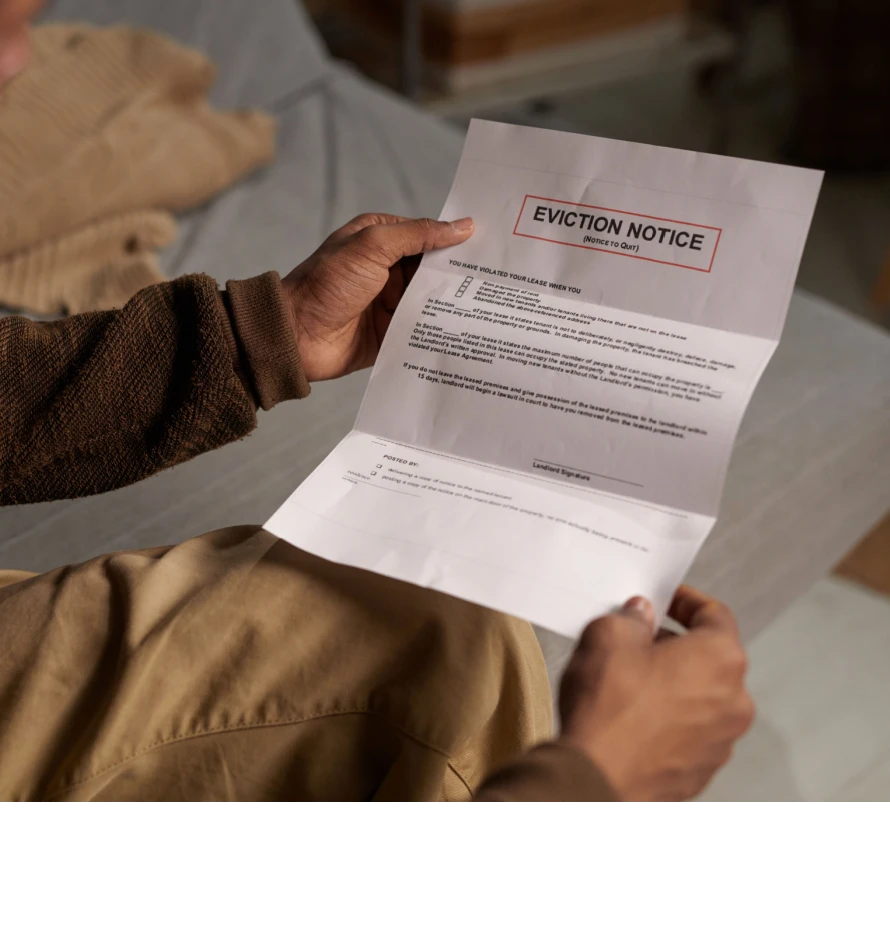
By Property Management Law Solutions A Florida property manager may be days away from recovering possession when an unexpected notice arrives: the tenant has filed for bankruptcy. At that point, the eviction does not necessarily end. But the rules can change immediately. Federal bankruptcy law can temporarily stop an eviction, prevent collection of past-due rent, and limit what the landlord can do next. Whether the case can move forward depends largely on when the bankruptcy was filed and how far the eviction had already progressed. “The biggest mistake is assuming bankruptcy either ends the eviction or changes nothing,” said Tim Baldwin, managing attorney at Property Management Law... Read more
Tamiaka Bryant has rebuilt her life from scratch before. She doesn’t want to have to do it again. Originally from North Carolina, Bryant saw her hometown of New Bern...
The tenant screening market is competitive with numerous tenant screeners (aka consumer reporting agencies or CRAs) battling for business from property managers and...
A Portland-based landlord accused of wrongly evicting a Vancouver renter and her ill mother has agreed to pay $725,000 in what tenant attorneys say is Washington’s...
Evicting a resident is always a stressful operational hurdle, but when that resident has a disability, the professional stakes go through the roof. Property managers...
The above graphic shows eviction filings for sites we track, relative to their historical baseline. Arrows pointing up show sites with above baseline filings; arrows pointing down show the reverse. The past year involved significant change and uncertainty, especially for low-income renting families. During the longest government shutdown in U.S. history, 42 million people were left without SNAP benefits for weeks, and the passage of the “One Big Beautiful Bill Act” stripped benefits for 2.5 million people permanently. The average amount of money low-income families have left after paying rent has hit an all-time low of just $210. On top of that, the federal immigration... Read more
The moment a property manager issues a denial letter, the professional relationship enters a high-stakes phase. While automated screening tools provide a necessary first...
Key Takeaways Landlord-tenant laws vary by state, but there is general uniformity in certain areas. Landlords must provide proper notice before entering tenanted...
Discover the hidden costs of tenant turnover and learn strategies to reduce vacancies. Complete breakdown of expenses, time investments, and proven retention tactics for...
Every residential lease includes an implied warranty of habitability—even if the lease does not expressly mention it. This legal protection serves two core purposes:...


 Accessibility