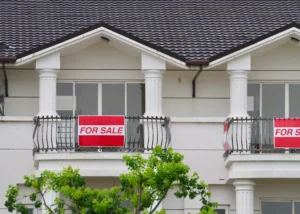
Flipped home prices are showing early signs of stabilization

House flip Shutterstock_1576965847

Fix-and-Flip Market Set for Growth in 2026

Key takeaways

  • Fix-and-flip market conditions improved in Q4 2025, with the Fix and Flip Market Index (FFMI) posting its largest quarterly gain in 3 years. Flipped home prices are showing early signs of stabilization.
  • Flippers in high-inventory markets—particularly Florida and Texas—still face pricing pressure, underscoring the need for conservative underwriting and close attention to local market conditions to protect profits.
  • We expect fix-and-flip activity to grow in 2026, driven by three key factors: price stabilization, lower financing costs, and new tax deductions for renovation expenses.

After nearly 4 years of declining flipped home transaction volume, our survey is picking up signs of positive momentum in the fix-and-flip space.

Each quarter, we partner with Kiavi to survey ~400–500 fix-and-flip investors nationwide on market conditions, investor sentiment, and their near-term outlook.

jbrec fix flip market index feb26 graph

Fix-and-flip market conditions are improving.

Our January 2026 survey captured a meaningful uptick in investor sentiment. The JBREC + Kiavi Fix and Flip Housing Market Index (FFMI) rose to 62*, its largest quarter-over-quarter gain in 3 years and a reversal of 6 consecutive quarters of decline.

Flippers are an important source of housing demand and typically account for 6%–9% of existing home sales and 25%–35% of investor purchases each year. Flippers often acquire older, lower-priced homes that may be in poor or unlivable condition and renovate them into move-in-ready properties, bringing sidelined housing stock back to market and expanding the supply of updated homes for entry-level buyers (~50% of flipped home buyers).

jbrec buyers flipped homes graph

Flippers still face challenges, particularly where significant supply has pushed prices down.

Flippers compete with both the broader resale market and new construction. In markets where both new and resale inventory grew significantly in 2025, flippers often cut prices or increased seller incentives to achieve sales.

Several investors in our survey emphasized the importance of conservative deal underwriting and accounting for potential price declines. As one Orlando, FL, investor notes:

“This market is rewarding operators who prioritize discipline over optimism. Deals that rely on peak comps or fast absorption are being exposed, while those underwritten at realistic pricing and with longer holds are moving.”

For RTL lenders (those who finance short-term renovation), markets with elevated inventory growth (particularly Florida and Texas) present higher exit risk for flippers and higher risk of loss for lenders. We’d encourage RTL originators and investors to carefully evaluate geographic exposure to these regions.

Get a Free Multifamily Loan Quote

Access Non-Recourse, 10+ Year Fixed, 30-Year Amortization


jbrec price of flipped homes after ARV graph feb 26 05

Early signs of price stabilization are a positive signal for flippers and RTL credit performance.

Nationally, 17% of flippers report selling “mostly below” expected after-repair value (ARV), an improvement from 21% in the prior quarter. Because flippers tend to cut prices faster than typical home sellers during slowdowns (to avoid costly holding periods), this improvement is an early signal that the pricing environment is firming.

When flippers sell below ARV, it compresses margins and can impair their ability to repay loans, increasing risk for RTL lenders. The improvement in flippers’ ability to sell at or above ARV suggests that exit conditions are firming and that the credit environment for fix-and-flip lending is stabilizing. We track this metric each quarter as a leading indicator of RTL portfolio health.

Two main factors are driving stabilization:

  • Inventory growth has slowed. Listings are up just 3.5% YOY as of December 2025, a sharp deceleration from the +21% YOY peak in April 2025.
  • Mortgage rates have improved by ~75 basis points since mid-2025, bringing some buyers off the sidelines.
 
rtl fix flip graphs 03
rtl fix flip graphs 04

Expect more fix-and-flip activity in 2026 to support RTL. Here’s why:

  1. Rising loan demand from flippers. 71% of flippers surveyed expect to purchase more homes this year than last, the highest share in our survey’s four-year history. More purchases mean more originations for RTL lenders.

  2. Lower borrowing costs. A wave of capital entered the space in 2025, fueled by institutional capital’s growing appetite for RTL securitizations, which has pushed borrowing costs lower for flippers. The result is a more competitive lending environment with narrower lender margins, which benefits borrowers but requires disciplined underwriting from lenders to understand risk.

  3. Stabilizing prices. Slowing inventory growth supports home prices, making it easier for flippers to project deal returns with confidence. Buyer demand may also improve as purchasers who had been waiting on the sidelines while prices were falling gain confidence to re-enter the market. For RTL lenders, these trends point to stabilizing collateral values and stronger exit liquidity.

  4. New tax incentives. Several provisions in the 2025 One Big Beautiful Bill (OBBB) could boost fix-and-flip profitability, including enhanced depreciation, a permanent 20% qualified business income deduction, and deductible interest expenses on fix-and-flip loans.

Source: John Burns Research & Consulting