
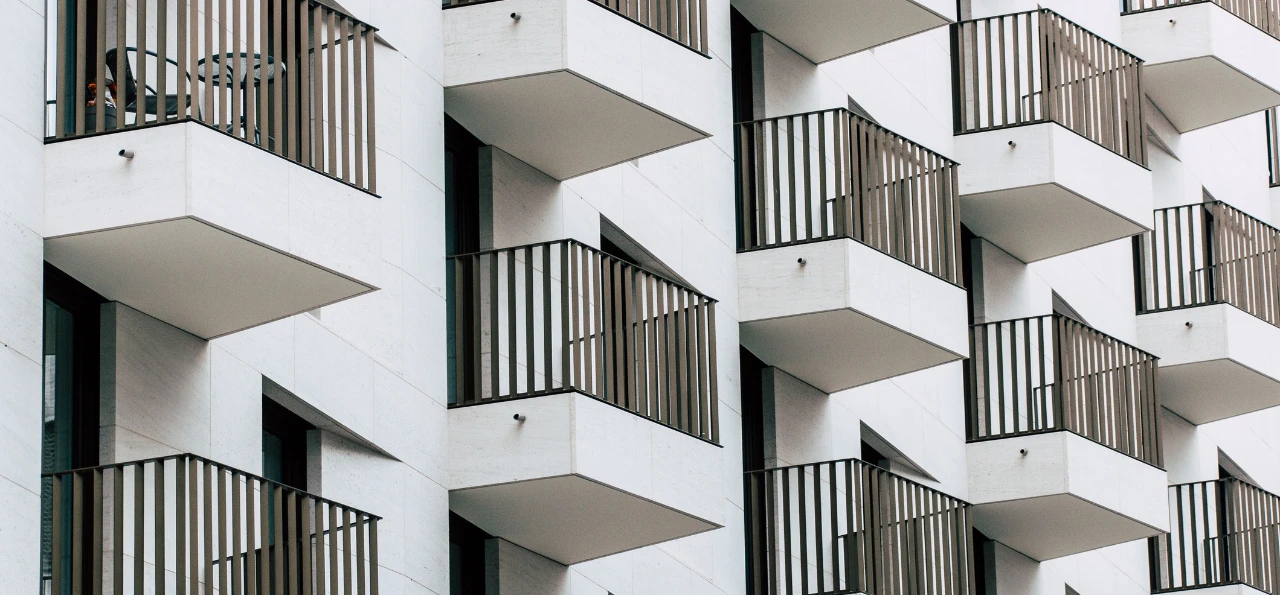
From Tragedy to Enforcement: Why California Deck Inspections Matter

In the early morning hours of June 16, 2015, a fifth-floor balcony at an apartment complex in Berkeley, California, collapsed without warning. Thirteen young people were sent plunging to the ground. Six Irish exchange students were killed, seven others suffered life-altering injuries, and years later another survivor died from complications tied to the incident.
Investigators later confirmed the collapse was not caused by overcrowding or misuse. Instead, severe dry rot hidden within the balcony’s structural framing had weakened the structure over time. Prolonged moisture intrusion, combined with inadequate maintenance, allowed the damage to progress unseen until failure became inevitable.
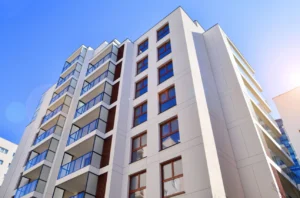
That tragedy fundamentally changed how California regulates apartment building safety. A decade later, its legacy is reflected in SB 721, the state law now fully enforceable and requiring routine inspections of exterior elevated elements—including balconies, decks, stairways, and walkways—on apartment buildings with three or more multifamily units.
State regulators continue to emphasize prevention and accountability. “Consumer protection is the Department of Real Estate’s top priority.” said Chika Sunquist, Commissioner of the California Department of Real Estate. “With that, we encourage all licensees managing properties affected by this new law to take a proactive approach. Partner with the appropriate licensed professionals now to ensure the safety of residents and full compliance with requirements.”
SB 721: Apartment Owners Must Act
SB 721 requires apartment owners to complete recurring inspections of exterior elevated elements on a six-year cycle. While enforcement timelines were previously extended, the current deadline for initial compliance is January 1, 2026. Properties that fail to meet this requirement may face increasing scrutiny from insurers, lenders, and regulators.
“Our job is to help prevent another disaster with ongoing structural inspections of wood-based elevated elements for multifamily,” said James Malki, owner of SouthCoastDeckInspections.com. “Many apartment property managers are still unaware that the deadline is approaching. We get calls daily from managers who didn’t realize inspections are mandatory.”
Inspection professionals report that 20 to 60 percent of evaluated apartment properties reveal hidden deterioration, including dry rot, fungal decay, moisture damage, corroded hardware, and compromised load-bearing components. Much of this damage is concealed behind stucco or waterproofing systems and cannot be identified through visual observation alone.
As enforcement tightens, noncompliance is no longer just a safety issue. Apartment owners without documented inspections may encounter insurance non-renewals, financing challenges, delayed transactions, emergency repair mandates, and heightened legal exposure.
Ten years after Berkeley, the message is unmistakable: apartment balcony failures are preventable—but only when inspections are taken seriously. SB 721 is no longer a warning. It is an enforceable requirement, and the time to comply is now.
James Malki, COO
Malki Construction dba South Coast Deck Inspections CSLB #1118042
(657) 707-9127
1576 N. Batavia St, Ste 2
Orange, CA 92867








 Accessibility