
How Preventive Maintenance Helps Avoid Emergency Repairs

Most homeowners only think about their home’s systems when something goes wrong. The boiler breaks down during the coldest week of January. The electrics trip mid-dinner party. The morning before a large function, the bathroom ceiling starts dripping. If you have a contractor that does HVAC, plumbing and electrical, like Fuse Service HVAC, they will nearly always tell you the same thing. The problem didn’t start today. It began months ago, softly.
The morning before a large function, the bathroom ceiling starts dripping. It doesn’t feel pressing. But it’s the homeowners who do their thing regularly who are seldom calling a Sunday emergency number.
What Preventive Maintenance Really Means in Practice
It’s tempting to think of preventive maintenance as changing a filter once a year and calling it a day. In actuality, it’s a systematic process of inspection, cleaning, testing and replacement of parts as recommended by the manufacturer and as needed for the season.
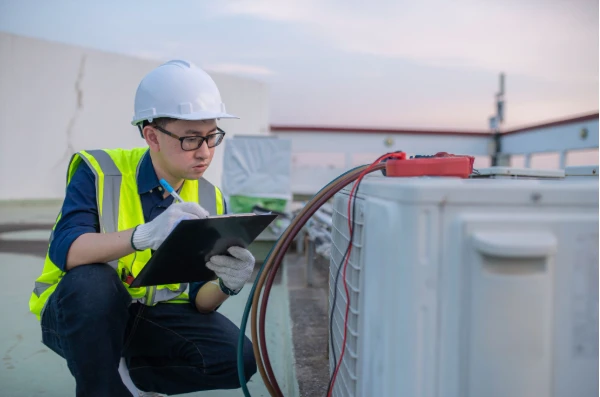
For example, an HVAC maintenance checklist may involve checking the refrigerant levels, electrical connections, cleaning the coils, and calibrating the thermostat. None of those jobs seems dramatic. But a dirty coil makes the system work harder for months, silently straining the compressor until it dies completely, generally in a heatwave, naturally.
Plumbing is the same. A slow drain, a little discoloration in the water, a tap that takes a beat longer to flow hot are not things to disregard. They’re signals.
Why Emergency Repairs Are Costly and Risky
Emergency callouts are more expensive. That’s just how it is. Labour outside business hours is more expensive, materials are often sourced hastily instead of efficiently, and the harm done by a slow reaction (water penetration, mould, structural impact) has its own cost.
Beyond money, there’s risk. A burst pipe in the ceiling will not only harm plasterwork but also affect the electrics flowing through the same space. Failure of the heating system in an elderly building with vulnerable residents is a real welfare issue, not just an annoyance.
Emergency repairs also imply disruption without warning. At least planned maintenance lets you schedule around it.
How Preventive Maintenance Helps Prevent System Failures
Systems fail in predictable ways. Belts crack. Filters clog. Seals dry out. Bearings wear. None of this happens instantaneously; there’s always a degradation curve, and regular inspection catches problems on that curve before the endpoint.
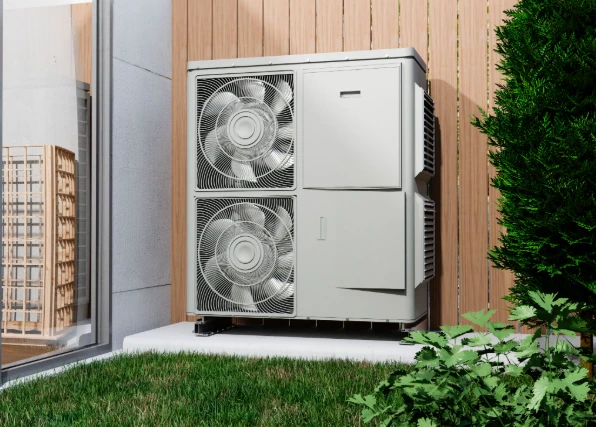
Seasonal HVAC maintenance is a good example. It is best to check the system in early autumn before the first cold snap so that any problems are discovered in time to rectify them correctly, rather than on an emergency basis. While doing a checklist of an HVAC tune-up checklist, a professional will identify a failing capacitor or a refrigerant leak that the owner of the system will never notice until the unit completely breaks down.
The same goes for guttering, roofs, boilers and even garden drainage. Always try to find the fault; don’t let the fault find you.
Key Components of an Effective Preventive Maintenance Plan
A workable plan doesn’t need to be complicated. The basics: know what you have, know its service intervals, and keep records.
For most homes, that means:
- Annual boiler service, ideally before winter
- Seasonal HVAC maintenance checks in spring and autumn
- Gutter clearance twice a year, once after leaf-fall, once in late spring
- Checking seals around windows, doors, and wet rooms annually
- Running through an HVAC maintenance checklist with a qualified technician rather than guessing
Keeping a simple log of what was checked and when is worth more than people expect. It also helps if you ever sell — buyers and surveyors appreciate evidence of care.
Preventive Maintenance vs Emergency Repairs: A Cost Comparison
The numbers aren’t subtle. An annual boiler service typically costs £80–£120. An emergency call-out for a broken heat exchanger, parts and labour can easily exceed £600, sometimes far more, depending on the unit. A blocked drain cleared preventively might cost £50–£70. Water damage remediation after a pipe fails? That’s a different conversation entirely, often running into thousands once you factor in drying, plastering, and repainting.
The argument for prevention isn’t just financial, though the finances make it obvious. It’s also about control. Planned maintenance happens on your terms, with a technician you’ve chosen, at a time that suits you.
In Conclusion
The argument for preventive maintenance is not a hard one. Find little problems early, pay less, stress less, and keep the systems in your home working dependably through the seasons. The only thing to do this week: Book that service you’ve been putting off. By nearly every measure, it is overdue.









 Accessibility