
Notice Requirements: The Critical First Step
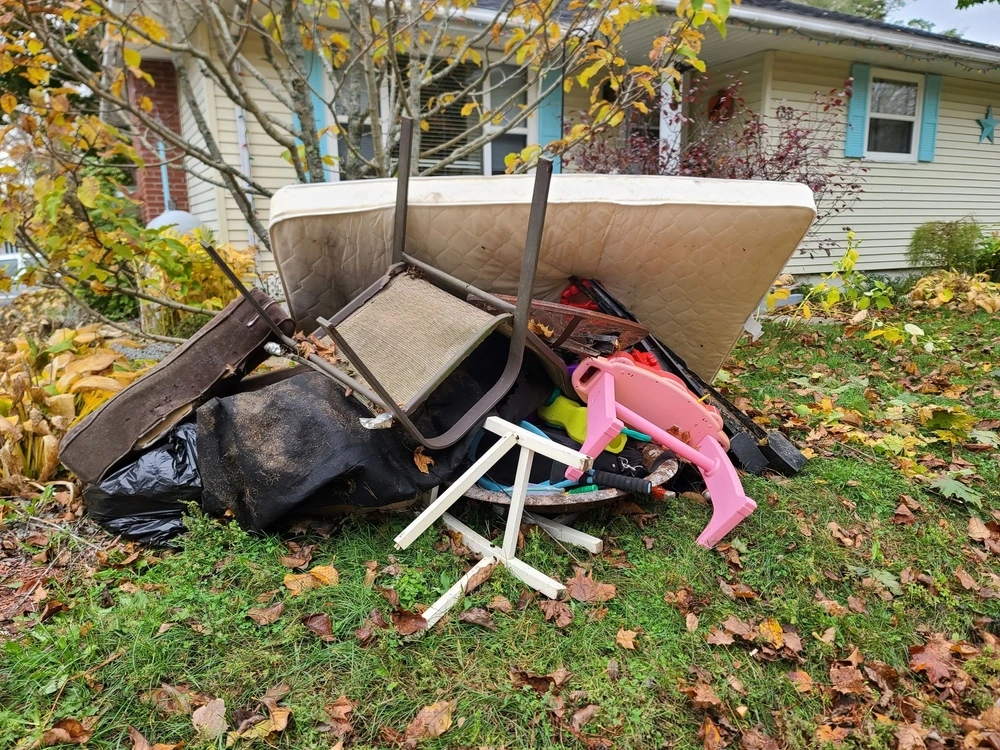
How to Deal with Tenant Personal Property After Eviction

When a Pennsylvania tenant leaves belongings behind after an eviction or move‑out, you cannot simply toss everything in the dumpster and change the locks. Act 129, which amended the Landlord and Tenant Act of 1951, sets out specific rules for notice, storage, and disposal—and ignoring them can expose you to real liability. With a clear process, though, you can protect yourself, clear the unit, and stay on the right side of the law.
What Counts as “Abandoned” Property
Under Pennsylvania law, tenants are required to remove their personal property when they vacate a rental space either when they voluntarily leave or are evicted. Property that remains may be treated as “abandoned” but not automatically.
Notice Requirements: The Critical First Step
Before you remove or dispose of any property left behind, you must provide written notice of the tenant’s rights regarding that property.
Key points about the notice:
- Timing – The tenant has ten (10) days from the postmark date of the notice to either retrieve the property or request that you store it.
- Delivery – The notice must be sent by first‑class mail to the address of the leased premises and any forwarding address the tenant provided.
- Content – The notice should state that personal property remains, that it is considered abandoned, that the tenant has ten (10) days to act, where the property can be retrieved, how to contact you, and that storage costs may be charged if retrieval happens after 10 days.
If the tenant does not respond within those ten days, you gain the right to dispose of the property at your discretion, subject to the ordinary care requirement discussed below.
Storage Obligations and “Ordinary Care”
If the tenant contacts you within the 10-day window and states an intention to retrieve their belongings, you must retain or store the property for up to thirty (30) days from the date of the notice. You may store the property at a location of your choosing, provided it is reasonably close to the rental and the tenant has a fair opportunity to pick it up.
During this storage period:
- You must exercise “ordinary care” in handling and securing the tenant’s belongings, meaning you treat them the way a reasonable person would handle their own property under similar circumstances.
- You must provide reasonable access for the tenant to retrieve items, including clear instructions on scheduling and any requirements (such as payment of storage costs after 10 days).
- You may pass along actual, reasonable costs of removal and storage if the tenant retrieves property after 10 days; if they pick it up within the first 10 days, you generally cannot charge any costs for that time period.
If the tenant does not retrieve the property within 30 days after notice, the landlord’s obligation to continue storage ends and the property can be dispose of or sold.
Disposal and Sale Procedures
Once the 10‑day response period has lapsed or the tenant has failed to retrieve items within the 30-day storage period, you may dispose of the abandoned property. Disposal can mean throwing items away, donating them, or selling them, depending on what is practical and cost‑effective in the situation.
Importantly, if you choose to sell the property, any exceeds proceeds over a judgment amount and storage costs must be returned to the tenant, typically by certified mail to their last known address.
Careful recordkeeping, like documenting what was left, where it was stored, what it cost, and how any sale proceeds were applied, is essential if your process is ever challenged after the fact.
Need Legal Help?
Chat with a real estate lawyer near you. It’s only $5 for a 1-week trial. Ask unlimited questions.
Liability Risks for Landlords
The biggest risk for a landlord is moving too quickly or ignoring the statute. If you dispose of property without proper notice, before the 10‑day period expires, or without honoring a timely request to store and allow retrieval, you could face claims for wrongful conversion or statutory violations.
Other liability risks include:
- Failing to exercise ordinary care, resulting in damage or loss of valuable tenant property during storage.
- Not returning excess sale proceeds.
- Inconsistent treatment of tenants that could invite allegations of discrimination or retaliation, especially if you rush disposal for certain tenants but follow the statute precisely for others.
Because the law is technical and fact‑specific, landlords are well‑served by having standard forms and procedures reviewed by counsel and applied consistently across their portfolio.
Practical Recommendations for Pennsylvania Landlords
The law gives you a clear roadmap; your job is to create standard operating procedures and follow them. Practical steps include:
- Build the notice into your lease and court paperwork. Many attorneys recommend adding statutory language about abandoned property rights directly into your lease and ensuring writs/orders of possession include the Act 129 notice where possible.
- Use a standard abandoned property letter. Create a template that tracks the statutory language—address, ten‑day deadline, thirty‑day storage option, contact information, storage cost warning—and use it consistently.
- Inspect promptly when a tenant vacates. Conduct a thorough inspection soon after you regain possession so you know whether property remains and whether a notice is required.
- Document everything. Keep copies of notices, postal receipts, photos of the property, inventory lists, storage invoices, and any communication with the tenant about retrieval.
- Have a storage and disposal plan. Decide in advance where items will be stored, who will handle moves, and how you will dispose of or sell property when the statutory periods expire.
If handled correctly, the abandoned property rules can be a tool rather than a headache, giving you a clear, lawful path to clean out units and move on with new tenants. The key is to slow down just enough to hit the notice, storage, and documentation requirements every time.
Source: JDSupra (written by Stark & Stark)










 Accessibility