
Know what prospective tenants are looking for
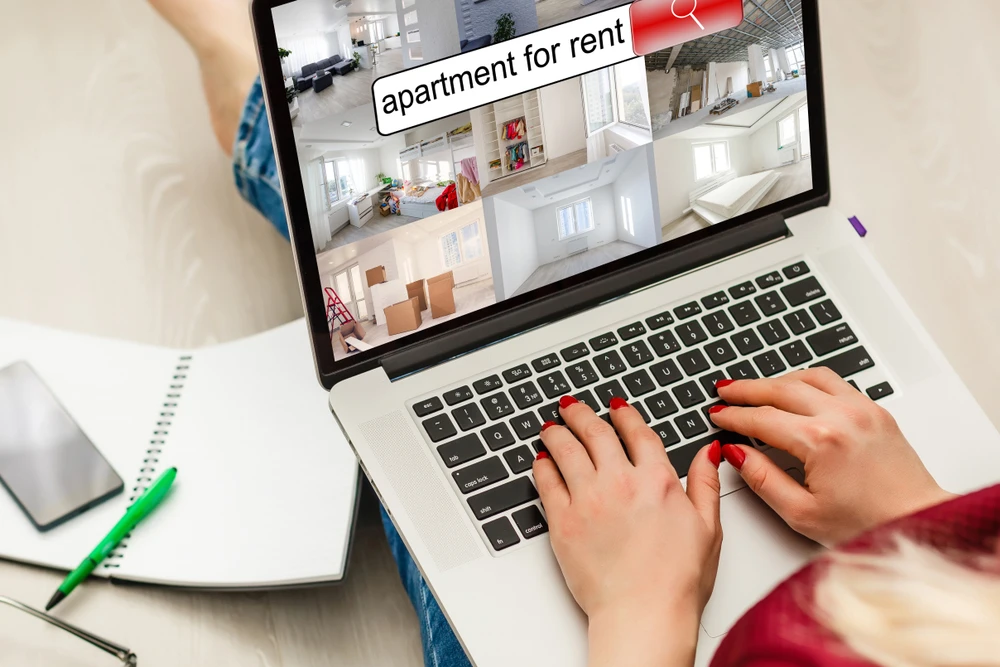
How to Make Your Online Rental Ad Stand Out

You’ve cleaned the property, finished the repairs and taken care of those last-minute touch-ups. Now, all you need is a good tenant. Is advertising online the best way to find one?
Think about the last time you searched online for something you wanted to buy. Chances are you looked at several options, compared prices, checked the photos and skipped anything that didn’t give you enough information. People looking for rental homes do exactly the same thing.
According to Zillow’s 2025 Consumer Housing Trends Report, 35% of recent renters searched five to nine housing websites or apps, while another 27% used ten or more.
Unfortunately, putting a rental listing online doesn’t guarantee anyone will notice it, much less schedule a showing. That’s a lot of competition for a landlord trying to fill a vacancy.
The good news is that you don’t need a marketing degree or an expensive advertising campaign to create a rental listing that gets attention. You just need to know what prospective tenants are looking for and how to present your property in a way that gets their attention.
Start With an Ad That Answers Their Questions
A good rental advertisement should tell prospective tenants what they need to know without making them work for the information.
Begin with a headline that highlights the property’s most appealing features. Instead of simply writing “Two-Bedroom Apartment for Rent,” try something like “Sunny 2BR Apartment with Private Patio and In-Unit Laundry.” The second headline gives someone a reason to click.
Your description should include the basics: property type, number of bedrooms and bathrooms, square footage, monthly rent and available amenities.
Just as important, include your rental qualifications. Income requirements, minimum credit scores, rental history standards and other objective screening criteria should be established before you begin accepting applications.
Some landlords hesitate to include this information in their advertisements, but clear, legally permissible criteria can help protect you if a rejected applicant later claims the decision was discriminatory. They also let prospective tenants know what is expected before they spend time applying. Whatever standards you establish, apply them consistently to every applicant.
Landlords should also check state and local requirements. For example, California has specific rules for landlords who charge application screening fees, including requirements involving written screening criteria under certain screening procedures. California Civil Code Section 1950.6 explains those requirements.
Of course, publishing your criteria doesn’t prevent someone from filing a Fair Housing complaint. The criteria themselves must be lawful, and the way you apply them matters just as much.
Be specific about what makes the rental attractive, too. Stainless steel appliances, a recently renovated bathroom, covered parking, air conditioning and outdoor space are more informative than describing the property as “beautiful” or “amazing.”
Mention nearby shopping, restaurants, public transportation, parks and other conveniences. Include lease terms, utilities, parking, pet policies and additional fees.
Remember that assistance animals are not pets under Fair Housing laws, and requests for reasonable accommodations must be handled appropriately.
According to Apartments.com , including accurate property information and highlighting available amenities can help attract renters searching for specific features.
Before publishing, proofread everything. Spelling mistakes, confusing descriptions and missing information don’t make a particularly good first impression.
Price Your Rental to Attract Attention
Even the most appealing rental advertisement won’t accomplish much if the asking rent is out of line with the local market.
Before setting your price, look at comparable properties in your neighborhood. Pay attention to square footage, bedrooms, bathrooms, amenities, condition and location.
A recently renovated apartment with covered parking may justify a higher rent than a similar unit without those features. On the other hand, a rental with outdated appliances or limited parking may need to be priced more competitively.
Seasonal demand can also affect pricing. Some markets experience more rental activity during warmer months, while others are influenced by university schedules, tourism or local employment patterns.
Don’t rely on formulas based on the property’s purchase price to determine market rent. What matters is what comparable properties are currently renting for and what prospective tenants are willing to pay.
Include the monthly rent in your advertisement, along with required deposits and other charges. Be aware that some states and municipalities have passed laws addressing hidden rental charges, often called “junk fees.” Depending on the location, landlords may be required to include mandatory fees in the advertised rental price or disclose them separately. Check your state and local requirements before posting your listing.
Zillow’s 2025 research found that 93% of renters considered staying within their initial budget essential when deciding where to rent.
Being transparent about pricing can also save you time answering inquiries from people whose budgets don’t match your property.
Pictures Can Make or Break Your Listing
You can write a terrific description, but poor photos may keep prospective tenants from reading it.
Poorly lit rooms, cluttered countertops, crooked pictures and blurry images can make even an attractive rental look unappealing.
You don’t necessarily need to hire a professional photographer. Today’s smartphones can produce excellent results if you take a little care.
Photograph the property during daylight hours, preferably when rooms receive plenty of natural light. Open the curtains, turn on the lights and make sure the space is clean and uncluttered.
Take pictures that show the layout of each room, not just close-ups of individual features. Include living areas, the kitchen, bedrooms, bathrooms, and exterior. If there’s a patio, balcony, yard or attractive common area, show it.
Choose your strongest photo for the first image. That’s often what determines whether someone clicks on the listing.
Avoid using filters or editing techniques that make rooms appear significantly larger or different from their actual condition.
According to Zillow’s 2025 survey, 79% of renters considered at least one digital feature essential when deciding which rental to pursue. Half said photographs were essential, while 40% said the same about floor plans.
Virtual tours can be useful, particularly for prospective tenants relocating from another city. However, they shouldn’t replace clear, accurate photographs.
Where Should You Advertise Your Rental?
There are plenty of websites where landlords can advertise rental properties, but they don’t all work the same way. Some offer free basic listings, while others charge for additional exposure or provide advertising as part of a property management package.
Before choosing a platform, consider its audience, cost, listing features and whether your advertisement will appear on affiliated websites. A site that distributes your listing across several rental platforms may provide more exposure without requiring you to create separate advertisements.
Here are some options worth exploring:
|
Platform |
Advertising Options |
What to Know |
|
Zillow Rental Manager |
Free basic listings; optional paid upgrades |
Listings can receive additional exposure through Zillow’s rental network. |
|
Apartments.com |
Free basic listings; paid premium options |
Offers listing distribution across its rental network and additional landlord tools. |
|
Facebook Marketplace |
Generally free where rental listings are supported |
Useful for local exposure, although landlords may need to manage inquiries directly. |
|
Craigslist |
Free in many markets; fees in some locations |
Provides local exposure, but posting requirements and fees vary. |
|
HotPads |
Part of Zillow’s rental network |
Offers map-based searches and neighborhood information. |
|
Property Management Platforms |
Free, paid or subscription-based |
Some combine advertising with applications, screening, leasing and rent collection. |
Advertising costs, availability and features can change. Check each platform’s current requirements before posting.
For example, Zillow Rental Manager offers free listings with optional premium upgrades, while Apartments.com offers free basic listings and paid options for additional visibility.
You don’t have to limit yourself to one website. Advertising on multiple platforms can help you reach more prospective tenants, particularly if you’re renting in a competitive market.
Just make sure your descriptions, prices and availability dates are consistent everywhere.
Don’t Forget to Promote Your Listing
Once your advertisement is published, give it a little extra help. AAOA members can create an ApplyNow link for the property and add it to rental listings, websites, emails, social media posts and other online advertising. When a prospective tenant clicks on the link, they can apply for that specific rental online, and the landlord is notified when the application has been submitted.
Your current tenants can sometimes be a useful source of referrals, too. Someone who enjoys living in your building may know a friend or coworker looking for a rental. You might even offer tenants a referral bonus if someone they recommend signs a lease, provided it’s permitted under your state and local laws.
You might also consider paid advertising on social media or search platforms, particularly if the property has been vacant longer than expected. However, housing advertisements must comply with Fair Housing laws, including restrictions on discriminatory advertising and audience targeting.
As explained in HUD’s guidance on digital housing advertising, landlords and advertisers must avoid practices that improperly exclude or discourage people based on characteristics protected by the Fair Housing Act. Keep your advertising focused on the property, its features and its rental terms rather than describing the type of person you would prefer to live there.
Make It Easy for Prospective Tenants to Respond
A great advertisement won’t help much if interested renters can’t reach you.
Make sure your contact information is correct and explain how prospective tenants should inquire about the property or schedule a showing. Respond promptly whenever possible. Someone searching multiple rental websites may contact several landlords in the same afternoon.
If you receive the same questions repeatedly, consider updating your advertisement to include the missing information.
A Great Ad Is Only the Beginning
Getting people interested in your rental is one thing. Finding someone who qualifies and is likely to be a responsible tenant is another.
That’s where professional tenant screening becomes important.
AAOA offers tenant screening services that can help landlords evaluate applicants through available credit reports, eviction history searches, criminal background reports and other screening tools, subject to applicable laws.
Financial screening can provide insight into an applicant’s credit history and payment patterns, while income verification can help determine whether the applicant meets your rental requirements.
Previous landlord references may also provide useful information about an applicant’s rental history.
Whatever screening tools you choose, use consistent standards, obtain required authorizations and follow federal, state and local laws governing tenant screening.
From Listing to Lease
An empty rental costs money every day it sits vacant. Yet landlords sometimes spend weeks getting a property ready for its next tenant and only a few minutes creating the advertisement.
Many prospective tenants will see your rental online before they ever set foot inside. Good photos, accurate information, competitive pricing and a little extra promotion can help your rental stand out from all the others competing for attention.
Once the inquiries start coming in, having your application and screening process ready will make it easier to move quickly when you find a qualified applicant.
A little more time spent on the advertisement could mean a lot less time staring at an empty rental.
How AAOA Can Help
A smooth application and screening process can make a noticeable difference in how quickly a property leases.
AAOA offers tools designed specifically for landlords, including online rental applications, tenant background checks, tenant credit screening, rent collection and monthly rent reporting tools.
If you’re looking to reduce vacancy and streamline your leasing process, you can learn more at https://www.aaoa.com.
Disclaimer: All content provided here-in is subject to AAOA’s Terms of Use. Nothing contained on this website constitutes tax, legal, insurance or investment advice, nor does it constitute a solicitation or an offer to buy or sell any security or other financial instrument. AAOA recommends you consult with a financial advisor, tax specialist, attorney or other specialist who is able to properly advise you.









 Accessibility