
Property Management News
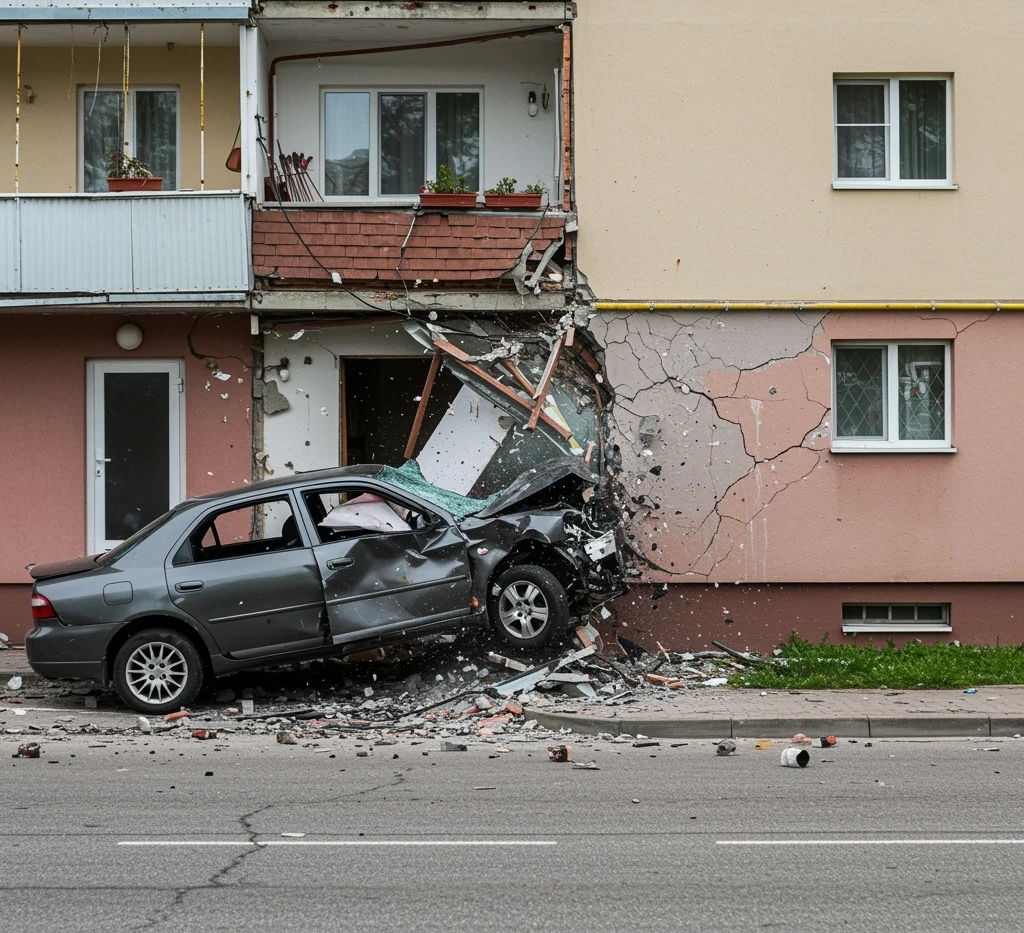
Cars and trucks end up going through apartment building walls more often than you think and it is a loss owners do not plan for and then there are floods. Ask an apartment owner to list the risks they worry about and you will hear fire, water, mold and asbestos. Vehicles hitting buildings rarely makes the list. It should. Matthew Steimle, general manager of Kennedy Restoration, and Tysen Bodewig, the company’s marketing director, were interviewed recently on Multifamily Marketwatch about losses that fall outside the standard checklist. Auto impacts happen more than owners expect When we asked how often a vehicle ends up inside an apartment building, Steimle’s answer was that it happens... Read more
After years of watching the coasts and the Sun Belt set the tone, the center of the rental map has moved to the Midwest and there’s a new name at the top of the list...
Key Takeaways: On-time rent payments at mom-and-pop multifamily properties have improved more than any other rental segment over the past year, even though...
The U.S. apartment market is showing stronger signs of stabilization as rent declines moderate and vacancies retreat from record highs, according to the latest data...
Luxury is being judged before your leasing professional ever gets the chance to explain it. A prospect pulls into your property. She is not carrying a clipboard. She...
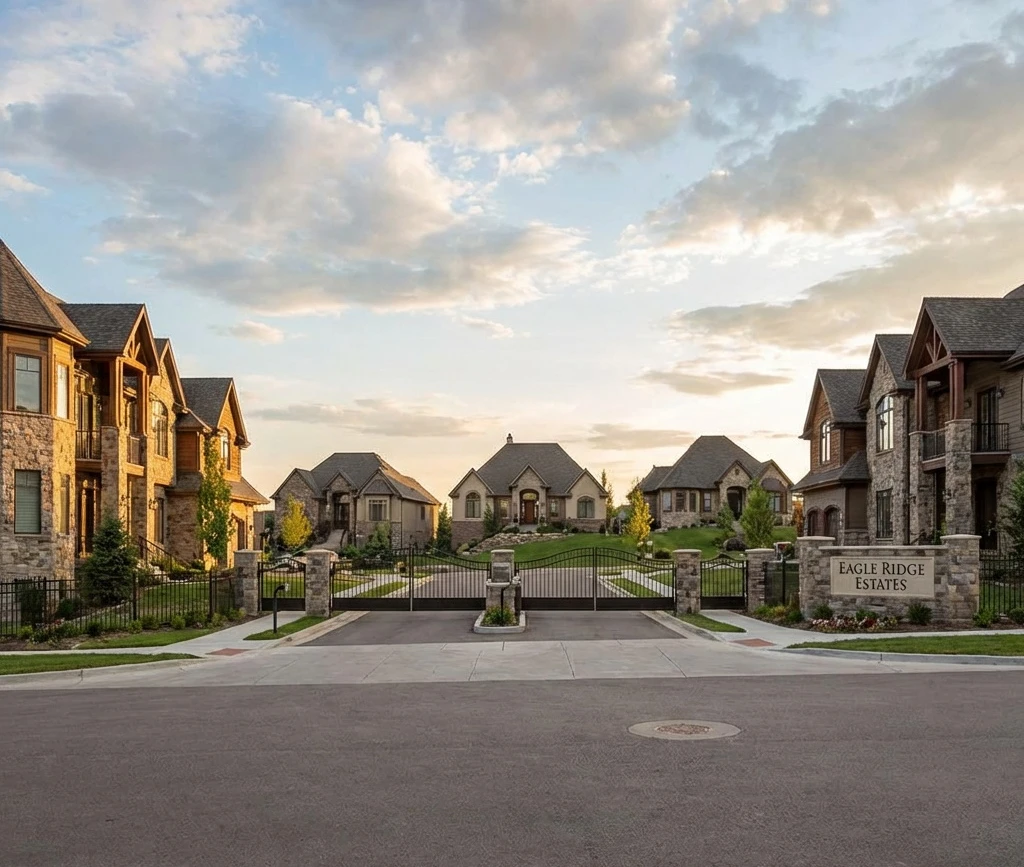
For the second year in a row, McKinney, TX, holds the top spot in RentCafe.com’s ranking of the best cities for renters. This year, Southern cities account for 37 of the top 50, reinforcing the region’s reputation for affordability and economic opportunity. When you’re searching for the right city to call home, a few factors matter most. Namely, how far your budget stretches, whether the job market aligns with your career and what daily life looks like once you’ve settled in. With that in mind, this year’s rankings spotlight a wide mix of cities that deliver across all three — giving renters meaningful options across a range of priorities. Key takeaways: McKinney, TX, returns... Read more
The multifamily industry has long operated under the assumption that turnover is largely inevitable. Residents relocate for jobs. They buy homes. Life circumstances...
KEY TAKEAWAYS One in five renter households paid rent late or missed a payment in 2025, up from 16.5% in 2024, according to Urban Institute research. Middle-income...
Apartment concession use eased in July for the second consecutive month, with 15.8% of stabilized units offering some type of discount, down 70 basis points from June,...
Rents are dropping across the Las Vegas Valley, according to a new report from Zumper. One-bedroom apartment rents dropped 18.8 percent in July year over year, the...


 Accessibility