
Remote workers value more space and pay higher rents
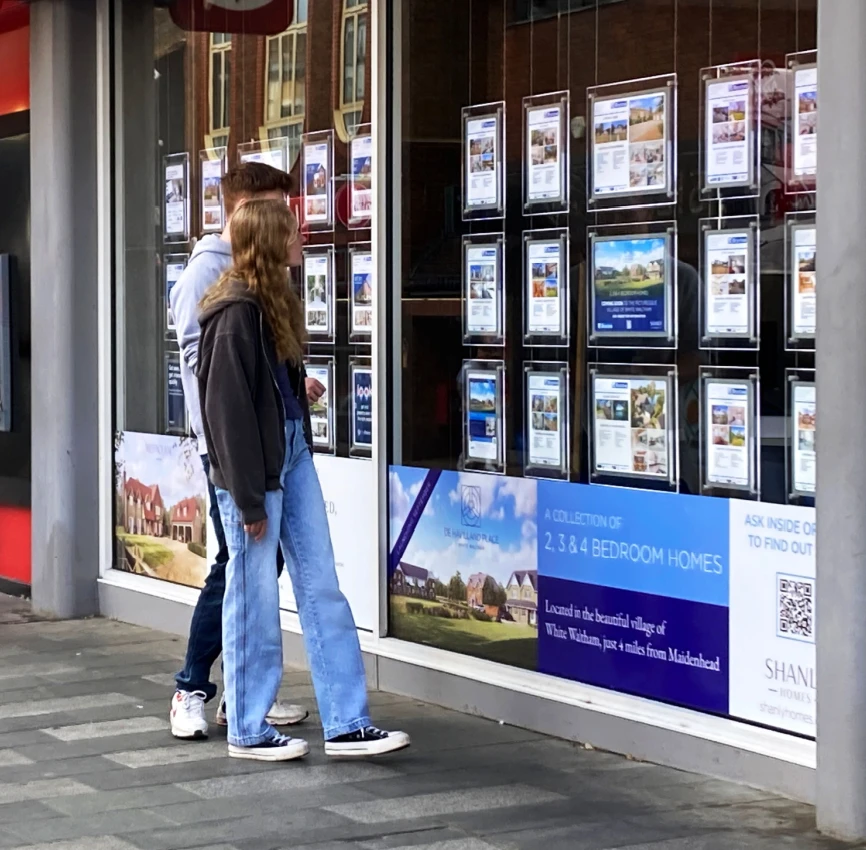
Remote Work & Rising Expectations Redefine What Renters Want

RCKRBX, the first multifamily market intelligence platform to deliver leading-indicator, demand-side data for the built world, released the findings from its inaugural National Renter Demand Indexing study, revealing in-depth insights around the impacts of current economic conditions and time-in-office on renter decision-making, preferred property type and unit configurations going forward, migration and move patterns, and net performance effects on existing product based on renewal/leasing decision horizons.
“As renter expectations continue to evolve and reshape the multifamily market, RCKRBX’s inaugural National Renter Demand Indexing study provides a unique and data-rich lens into what renters want today and tomorrow,” said Michael Broder, CEO & Co-Founder of RCKRBX.
“Our research shows renter demand and preferences have shifted significantly post-pandemic while existing supply and new construction/recent deliveries remain out of sync with what renters want and how these markets will continue to evolve. Developers and asset owners who deliver product more aligned to the new renter mindset are poised to achieve greater performance, resilience and value.”
Key takeaways from the report include:
Economic Outlook & Renewal
- 43% of prospective renters think the economy is headed in the right direction, while 39% say it’s on the wrong track, suggesting polarization among viewpoints
- As a result of recent economic and market conditions, while only 17% of renters are firmly committed to renewing their leases, 46% of prospective renters say they’ll increase their rent budgets in their next move to secure larger spaces and premium amenities, compared to 20% who say they’ll decrease their rent budgets – in other words, despite economic uncertainty this is an opportunity for apartment developers, owners and operators to match their products to renter demand for additional premium. This trend is especially driven by younger, economically mobile renters who remain open to exploring new housing options and redefining their priorities.
- Top rental drivers nationwide include: Economic conditions (41%), Lifestyle/job requirements (30%), Not yet settled and not interested in buying a home yet (25%), and Preference over homeownership (24%)
Need a Lease Agreement?
Access 150+ state-specific legal landlord forms, including a lease.
Renter Teleworking Dynamics
- Almost half of renters surveyed are hybrid or remote workers, and those with more flexible work arrangements are more likely to pay higher rent premiums
- Among renters that are employed full-time, part-time, or business owners, they are currently working:
- Fully in-office/onsite (54%)
- Hybrid, 3-4 days in-office (25%)
- Hybrid, 1-2 days in office (8%)
- Fully remote (13%)
- Hybrid, 3-4 days in-office peaks in middle aged (35-44) renters (28%)
- Fully remote workers increase among oldest (55+) prospective renters (23%)
- Texas/Southwest boasts the highest percentage of renters working fully in-office (63%) while the Mid-Atlantic boasted the highest percentage of fully remote workers (18%)
Future Unit Demand by Desired Configuration
- Renters are seeking larger units and different configurations than current supply would indicate
- Study found significant untapped and underserved demand for 2 and 3-bedroom units at competitive and premium rental rates
- Substantial unit demand vs. unit supply misalignment exists with study findings indicating gap will widen over the next 36 months
- Future Renter Demand by Unit Type vs. Existing Supply* by Unit Type:
- Studio: 4% unit demand vs. 12% unit supply
- One Bedroom: 21% unit demand vs. 41% unit supply
- Two Bedroom / Junior Two Bedroom: 52% unit demand vs. 39% unit supply
- Three Bedroom: 23% unit demand vs. 8% unit supply
(*Nationwide unit supply data sourced from NMHC)
Renter Decision Criteria
- 77% of renters identified as “Utilitarian”, meaning they are driven by the pragmatic aspects of their building/unit, while 23% identified as “Taste-makers,” those that are driven by the provocative such as amenities, location, etc.
- Safety and security, as well as rent and other monthly fees, were the first most important criteria for “Utilitarian” renters
- For “Taste-maker” renters, pet-friendliness and property amenities were the first most important criteria
- 42% cited a 1-year lease as their ideal term for their next apartment home, followed by a 2-year lease (32%)
Renter Landscape & Demographics
- Younger, more economically mobile renters tend to consider longer-distance moves, novel lease terms, and different product types (including two thirds considering build-to-rent townhomes and detached single-family product)
- The 35 – 44 age group represented the highest percentage of renters in the current market (33%)
- 31% of renters have lived more than 5 years in the current city or metro area, and 24% have lived in their current residence for 1-2 years
- 75% of current renters are employed full-time, while 9% are self-employed and 6% work part-time.
Source: BusinessWire







 Accessibility