Report focuses on three‑bedroom homes in 1,099 cities

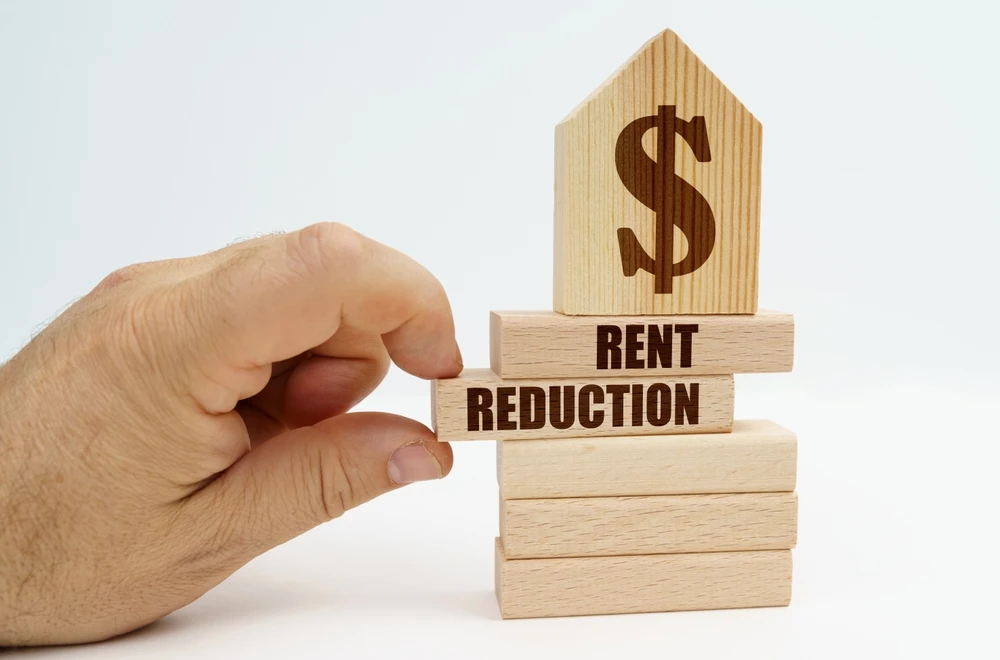
Rent reduction shutterstock_2197768303

Single‑Family Rents Post First Sustained Decline Since Pandemic

U.S. single-family rentals have finally hit a wall after years of steady post‑pandemic rent growth, with national asking rents slipping and pricing power weakening even through the normally busy spring leasing season. For investors who have treated SFRs as a reliable growth engine since 2020, the latest data from Rentometer and federal vacancy figures indicate a market moving into a more competitive, supply‑driven phase.

National Rent Growth Breaks Its Streak

National single‑family rents in the first half of 2026 fell 1.6% year-over-year, marking the first sustained slowdown in rent growth since the pandemic, according to Rentometer. From the first half of 2020 through the first half of 2025, median asking rents for three‑bedroom single‑family homes rose each year, creating a consistent tailwind for owners and operators.

Rentometer’s report focuses on three‑bedroom homes in 1,099 cities, a segment the firm describes as the preferred choice for many families and investors. About 41% of the renter population lives in these properties, underscoring how central the product type is to both household demand and institutional SFR strategies.

Of the markets Rentometer tracks, 49% saw year‑over‑year rent declines in the first half of 2026, while 37% posted growth of at least 1% and the remaining 14% were essentially flat, with annual changes between 0% and 1%.

The slowdown didn’t appear overnight. Rents rose 1.7% in the first half of 2025, then edged down in the second half of the year and that pattern has continued into 2026. Typically, rents get a lift in spring and early summer as millions of households look to move, but this year, median asking rents for SFRs were flat between the first and second quarters, suggesting landlords had limited ability to push pricing even during peak leasing months.

Report Your Tenant’s Rent Today!

Report on-time & missed payments to Experian, Equifax, and TransUnion


Regional Patterns And Normalizing High‑Cost Markets

Performance has diverged sharply by region. In the Rocky Mountains, median SFR rents in the first half of 2026 rose 0.3% year-over-year to $2,332, the only region with positive growth. In the Northeast and Midwest, rents were flat, with median SFR rents of $2,300 and $1,750, respectively.


The Southwest saw a modest 0.3% decline, with median rents at $1,995. The largest drops were in the Pacific and Southeast, where the correction is more pronounced. In the Pacific region, median first‑half rents were $3,195, down 3.2% year-over-year, a move Rentometer characterizes as part of a broader normalization across several high‑cost Western markets. Rentometer noted that tech‑centric San Francisco and San Jose were notable exceptions, recording solid rent growth despite the regional downturn.

In the Southeast, median rents stood at $2,000, down 2.9% year-over-year. Rentometer attributes the decline to “substantial new housing supply” over the last couple of years, including some of the highest levels of build‑to‑rent development in the country. The increase in unit inventory has eased the competitive pressure that previously drove some of the fastest rent increases in the nation and is now weighing on landlords’ ability to raise rents.

Vacancies Climb As Competition Grows

The rent slowdown is playing out alongside rising vacancies. The national rental vacancy rate reached 7.3% in the first quarter of 2026, based on Census Bureau data. While that figure is not statistically different from 7.1% in the first quarter of 2025 or 7.2% in the fourth quarter of 2025, it is the highest rate recorded since the third quarter of 2017, signaling a looser overall market than investors have been used to in recent years.

Within the SFR segment, the vacancy rate was 6.1% in the first quarter of 2026, down slightly from 6.3% in the same period a year earlier. Even with that decline, SFR vacancies remain well above the levels seen between 2021 and 2023, when they ranged from a low of 5% to a high of 5.8%. Elevated multifamily deliveries are a likely contributor, adding more options for renters and softening demand for single‑family units.

Another source of competition, according to the report’s analysis, is individual single‑family owners choosing to rent rather than sell at lower prices. As more owners shift properties into the rental pool in response to sale‑price expectations, they effectively increase supply in markets where institutional and professional SFR operators already face pressure on rents and occupancy.

Source: GlobeSt.