
The Hidden ROI of Smart Heating Systems
Tenant Satisfaction and Retention

Competition in the multifamily housing market is intensifying, with new developments offering upgraded amenities, leasing incentives, and smart-home features. These elements raise renter expectations across all asset classes. Retention today isn’t just about price; it’s about delivering a consistently reliable living experience.
Heating reliability is one of the most overlooked drivers of resident satisfaction. In winter, heating issues are among the most common service requests, and a single boiler failure can disrupt dozens of homes at once.
Beyond the inconvenience, outages damage trust, spark negative reviews, and increase turnover risk. Smart boiler systems aren’t just efficiency upgrades; they are retention tools that support renewals, control costs, and protect net operating income (NOI).
The True Cost of Tenant Turnover
Tenant turnover is expensive, far more costly than many operators initially calculate. Turning a unit typically involves vacancy loss from weeks without rental income, make-ready expenses such as cleaning, painting, and repairs, marketing and advertising costs, leasing commissions, and move-in concessions to attract the next resident. Depending on the market and asset class, the total cost to turn a single unit can easily range from $2,500 to $5,000 or more, directly impacting profitability and net operating income.
Now consider the reputational impact. Online reviews frequently cite maintenance responsiveness and comfort issues. Heating failures during extreme weather conditions often trigger negative feedback on Google and apartment listing platforms. Prospective renters increasingly rely on these reviews when choosing a property.
Comfort also directly influences renewal decisions. While residents may tolerate minor inconveniences, recurring heating issues create frustration that accumulates over time. Even if the rent is competitive, residents are less likely to renew when they feel their basic comfort is unreliable.
The key takeaway is simple: even a modest increase in renewal rates delivers measurable ROI. A 3% to 5% improvement in retention across a mid-sized property can represent tens (or hundreds) of thousands of dollars preserved annually.
The Problem with Traditional Boiler Systems in Apartment Buildings
Many apartment communities still rely on traditional boiler systems that operate on reactive maintenance models, meaning property teams respond only after residents report a problem. This approach creates a range of operational challenges, including temperature inconsistencies between units, delayed awareness of pressure drops or system inefficiencies, and emergency service calls during nights and weekends.
The result is higher overtime labor costs and increased wear and tear caused by performance issues that go undetected for too long. This all ultimately drives up expenses and resident dissatisfaction. Without real-time monitoring, managers may not know there is a problem until multiple complaints come in. By that point, the issue may have escalated from a minor imbalance to a system-wide disruption.
During peak winter months, maintenance teams are stretched thin. A major heating issue can consume staff resources, delay other service requests, and increase overall resident dissatisfaction.
Paying Too Much For Insurance?
Get a FREE quote to insure your rental properties for less.
What Makes a Heating System “Smart”?
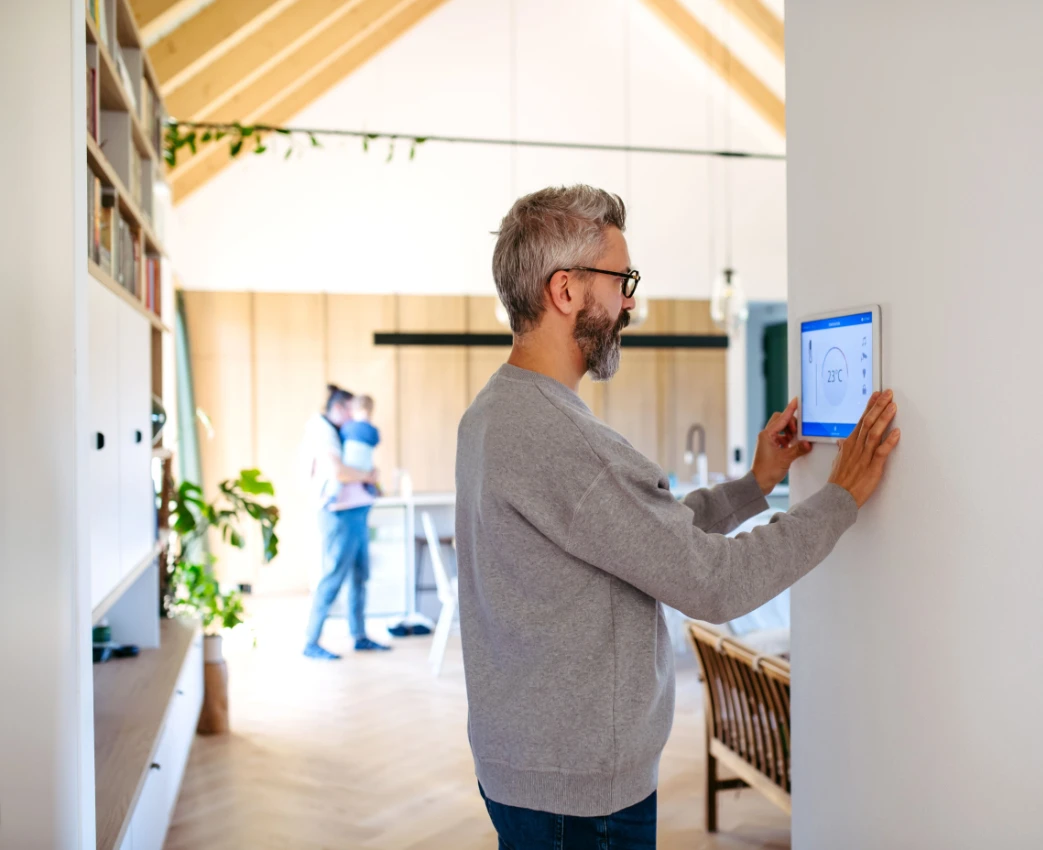
A smart heating system goes far beyond basic temperature control, incorporating advanced technology that allows property managers to take a proactive approach to building operations and make data-driven decisions.
These systems typically offer remote monitoring and diagnostics, which gives teams real-time visibility into equipment performance without needing to be on-site. They can balance temperatures across units automatically, ensuring consistent comfort for all residents, while sending automated alerts when pressure, temperature, or other performance metrics fall outside normal ranges.
Many systems also provide detailed energy usage analytics and reporting, helping managers track efficiency and identify opportunities for cost savings. Finally, smart heating solutions often integrate seamlessly with existing building management systems (BMS), allowing for centralized control and streamlined maintenance operations across an entire property.
Instead of waiting for a resident call, property teams receive alerts when system performance deviates from normal parameters. This shift from reactive to predictive maintenance fundamentally changes operational strategy.
How Smart Heating Directly Impacts Tenant Satisfaction
Smart heating systems do more than keep apartments warm, as they directly influence how residents experience their homes. Here is how:
1. Fewer Cold-Weather Emergencies
Early detection prevents minor irregularities from becoming full outages. Pressure drops, pump failures, or circulation issues can be addressed before residents even notice a change in comfort. During extreme weather events, this proactive capability is invaluable. Reduced disruptions during high-demand periods translate into fewer emergency communications and less resident anxiety.
2. More Consistent Comfort
Smart systems provide more balanced heat distribution across units. In older properties, some apartments may overheat while others remain too cold. Real-time monitoring allows operators to correct these imbalances. Consistent comfort is not a luxury; it is an expectation. Delivering it consistently builds trust.
3. Faster Response Times
With automated alerts, maintenance teams often become aware of issues before residents submit work orders. In many cases, problems can be diagnosed remotely, reducing troubleshooting time onsite. From a resident’s perspective, faster response times reinforce the perception of professionalism and reliability.
4. Stronger Online Reputation
Heating reliability significantly reduces winter-related complaints. Fewer comfort issues mean fewer negative online reviews and higher satisfaction survey scores. In competitive leasing markets, reputation is a strategic asset.
Quantifying the Hidden ROI
While improved tenant satisfaction is a key benefit, apartment operators ultimately need measurable financial returns to justify upgrades. Smart heating systems deliver tangible ROI in several ways. By detecting issues early and preventing major breakdowns, they help reduce emergency repair costs and minimize costly after-hours call-outs.
Optimized performance also lowers energy consumption, contributing to ongoing utility savings, while the predictive maintenance capabilities extend the lifespan of the equipment, delaying the need for costly replacements. Perhaps most importantly, consistent comfort and reliable heating directly influence resident retention, improving renewal rates and further enhancing the property’s bottom line.
Consider a 200-unit building. If annual turnover averages 50% (100 units), and the average turn cost is $3,500, total annual turnover expense equals $350,000. If smart heating improvements increase renewal rates by just 5%, that equates to 10 additional residents renewing. At $3,500 per turn, that represents $35,000 saved annually (before factoring in energy and maintenance savings).
When combined with reduced emergency repairs and efficiency gains, many systems achieve payback within a reasonable capital planning window.
Operational Benefits for Property Managers
Beyond enhancing resident satisfaction, smart heating systems offer significant operational benefits for property managers and maintenance teams. They provide portfolio-wide visibility into system performance, allowing managers to monitor multiple buildings or units from a single dashboard. This transparency supports greater budget predictability and more informed long-term capital planning, as maintenance needs and equipment lifecycles can be anticipated rather than reactive.
Additionally, these systems generate detailed documentation that can simplify insurance reporting and ensure regulatory compliance. By reducing unexpected emergencies and streamlining routine oversight, smart heating systems also help ease the winter-season workload for onsite teams, lowering stress and improving overall efficiency.
Instead of managing crises, property managers gain greater control over building performance. This transition improves not only financial outcomes but team morale.
ESG and Competitive Positioning
Energy efficiency is becoming an increasingly important consideration for both investors and regulators, with many cities and states implementing stricter benchmarking and emissions requirements for multifamily buildings.
Smart heating systems help properties meet these growing expectations by improving overall energy efficiency metrics and reducing the building’s carbon footprint. They also support alignment with ESG reporting standards, providing documentation and data that can demonstrate sustainability performance to stakeholders.
Beyond compliance, these systems strengthen a property’s appeal to environmentally conscious renters, positioning the building as a modern, eco-friendly community in a competitive leasing market. Marketing a property as a “smart” or energy-optimized building can also support leasing efforts, particularly among younger renter demographics.
Implementation Considerations
For operators considering upgrades, implementing smart heating systems should be approached strategically to maximize both operational and financial benefits. Key considerations include assessing compatibility with existing boiler infrastructure and evaluating whether a retrofit or full system replacement is the most effective option.
Managers should compare upfront capital costs with projected long-term savings to ensure a sound return on investment, while also providing training for maintenance teams to effectively manage the new technology.
In larger portfolios, phased installations can help minimize disruption and allow teams to adapt gradually. Taking a measured, well-planned approach ensures that technology adoption aligns with broader asset management goals and delivers the intended operational, financial, and tenant satisfaction outcomes.
Comfort Is an Asset!
Heating reliability is more than a mechanical function, as it builds resident trust. Comfortable, confident tenants are more likely to renew, reducing turnover costs and boosting net operating income. Smart heating systems turn a traditional back-of-house expense into a strategic investment that delivers operational efficiency, energy savings, and stronger retention. In today’s competitive multifamily market, comfort is an asset, and operators who prioritize it benefit in reputation, renewals, and long-term portfolio performance.
Source: Multifamily Insiders









 Accessibility