
Paying for unused space can add up
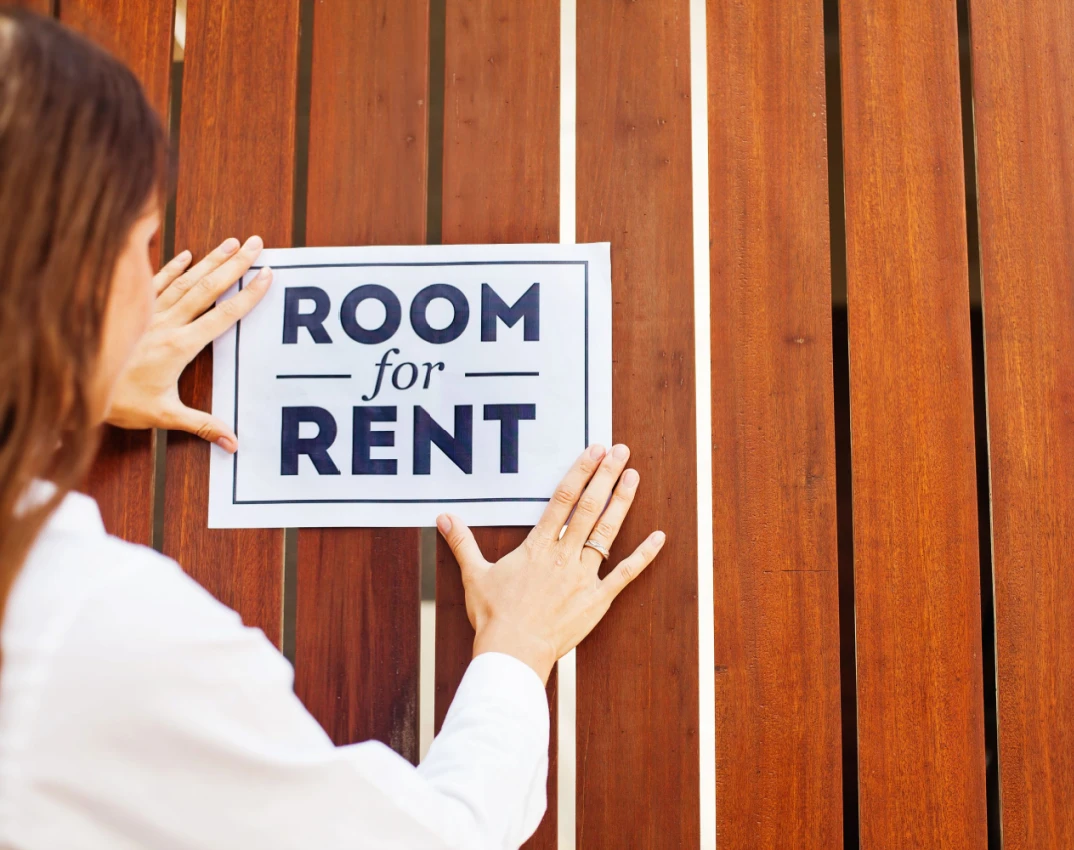
Unlock Extra Income by Renting Out Your Spare Room

That extra bedroom in your home was once meant for guests, but for most of the year it sits empty. While it may seem convenient to have a spare room, paying for unused space can add up. If it is only occupied a few nights a year, it could be costing more than it contributes.
If you own a home with an underused room, renting it out will supplement your monthly income and help pay off your mortgage. In addition, becoming a landlord will develop the necessary skills you will eventually need for running a rental business.
However, before you find a renter, be sure to conduct a tenant background check through a reputable tenant screening service like AAOA. Doing so can help you avoid the potential pitfalls of renting to an incompatible tenant.
This article explains how to rent out an unused bedroom to generate extra income, help cover your mortgage, and minimize tenant-related difficulties. It also covers key steps for screening renters, setting the right rent price, and ensuring a smooth rental process.
Benefits of Renting Out a Room
Renting out your extra bedroom can be a practical solution to offset housing costs. Research indicates that shared living arrangements have become more common in recent years, both among younger generations and older adults. Additionally, the number of extra bedrooms in U.S. homes has reached a record high, with 31.9 million extra bedrooms in 2023, up from 31.3 million the year prior (Realtor.com).
Challenges to Consider
While renting out a room can provide financial benefits, it’s important to be aware of the challenges, including finding tenants who will pay the rent on time, ensuring privacy and maintaining security.
Rental nonpayment is a major concern for homeowners. Evicting a tenant can be time-consuming and costly, with expenses ranging from $1,000 to $5,000, depending on various factors.
Free Rental Application
Get 20 Rental Forms for FREE, including a rental application.
Tips for Renting Out a Room
-
Make Sure the Room is Tenant-Ready
Before taking on a tenant, be sure that the room is safe, clean, and equipped with necessary amenities. Consider your ability to maintain the space and handle repairs, as you will be responsible for its upkeep. Remember, as a landlord, you are subject to the laws and regulations applicable to all landlords.
-
Define Your Ideal Tenant Criteria
Decide what you’re looking for in a tenant. Consider factors such as:
- Their ability to pay the rent each month
- Are you going to allow smoking?
- What is your pet policy?
Setting clear criteria can help you find a tenant who fits your expectations and lifestyle.
-
Create a Transparent Rental Listing
When advertising your room, provide detailed information to attract suitable tenants. Include:
- Room size and amenities
- Shared spaces and policies
- Rent amount and payment terms
- Lease duration
- Guest policies
Being transparent helps set expectations and attracts tenants who are a good fit.
-
Set the Right Rent Price
Research local rental rates to determine a competitive price for your room. Setting the right price ensures you attract tenants while covering your costs. Websites like Rentometer.com can provide insights into average rental prices in your area.
-
Draft a Proper Lease Agreement
A well-written lease agreement protects both you and your tenant. Include terms such as:
- Rent amount and due dates
- Late payment penalties
- Security deposit requirements
- Maintenance responsibilities
- Utility payment arrangements
Having a clear lease agreement helps prevent misunderstandings and legal issues.
-
Interview Applicants
Conduct interviews with potential tenants to assess their suitability. Ask questions about their lifestyle, work habits, and reasons for seeking a rental. This can help you gauge whether they’ll be a good fit for your living situation.
-
Review Rental Applications
Carefully review each rental application to ensure applicants meet your criteria. Consider factors such as:
-
Employment and income verification
-
Rental history and references
-
Criminal background checks
This due diligence helps you select a reliable tenant.
-
Conduct Tenant Screening
Use a reputable tenant screening service like AAOA to obtain a comprehensive tenant background check. This can include:
- Credit report
- Identity verification
- Criminal history
- Eviction history
- Sex offender or terrorist reports
Thorough screening helps reduce risks associated with renting to a new tenant.
-
Understand Tax Implications
Rental income is taxable and must be reported on your tax return. Keep detailed records of income and expenses related to the rental. Consult with a tax professional to ensure compliance with tax laws.
Conclusion
Renting out a spare room can be a practical way to supplement your income and offset housing costs. However, it’s essential to approach this decision thoughtfully. By preparing the space, setting clear expectations, and conducting thorough tenant screening, you can create a positive rental experience for both you and your tenant.
If you need assistance with tenant screening or have questions about the rental process, consider reaching out to professionals who specialize in this area. AAOA offers a variety of services, including resources from educational webinars and landlord tenant law to approved providers for insurance and financing. Contact us today to learn more.
Disclaimer: All content provided here-in is subject to AAOA’s Terms of Use. Nothing contained on this website constitutes tax, legal, insurance or investment advice, nor does it constitute a solicitation or an offer to buy or sell any security or other financial instrument. AAOA recommends you consult with a financial advisor, tax specialist, attorney or other specialist who is able to properly advise you.









 Accessibility