
What owners can do before things spiral out of control
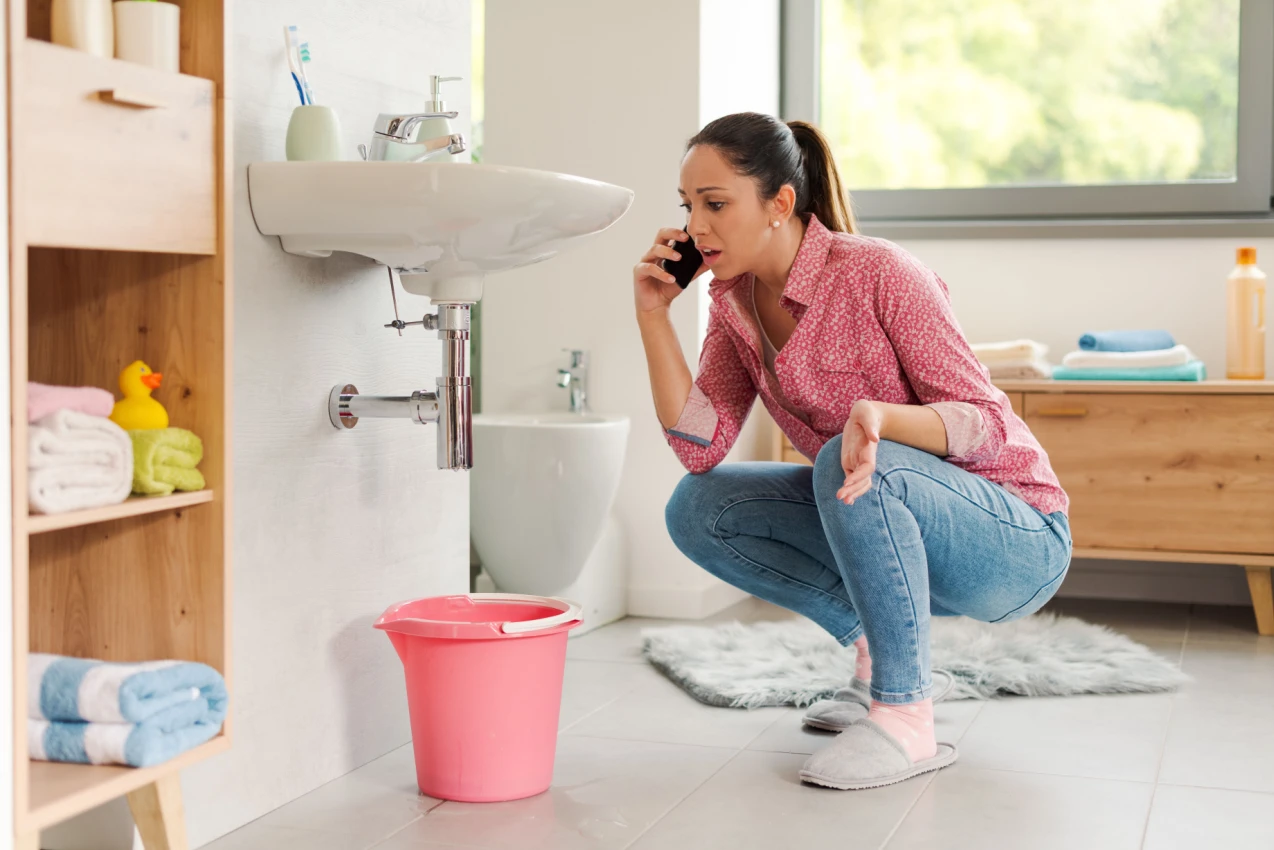
The Silent Cash-Flow Killer Landlords Ignore: Plumbing

Plumbing Is the #1 Source of Urgent Calls
For apartment owners, most emergency calls fall into a few categories:
- Toilets not flushing
- Sinks and showers backing up
- Water leaking into units below
- Sewage odors or backups
These aren’t issues tenants can “wait out.” If a tenant can’t shower, flush, or use hot water, you’re getting a call—whether it’s 2 p.m. or 2 a.m.
The real problem isn’t the call itself. It’s what’s happening behind the walls, under the floors, and inside the pipes long before you ever hear about it.
The Silent Killer: Running Toilets and Hidden Leaks
One of the most overlooked issues in rental properties is something deceptively small: a running toilet.
A toilet that refills every 30–60 minutes may not seem urgent, especially if the tenant has learned to tune out the noise. But over a month, that “minor” issue can add $500–$1,000+ to a water bill—per unit.
Multiply that across a building, and you’re literally flushing profit down the drain.
Even worse, many tenants hesitate to report issues. They don’t want to bother the owner, fear rent increases, or assume it’s “not that bad.” By the time the issue is discovered, the damage is already done.
Wax Rings, Soft Floors, and Bathroom Nightmares
One of the most expensive plumbing failures starts with something cheap: a toilet wax ring.
When a wax ring fails, water doesn’t always spill visibly across the floor. Much of it seeps downward into the subfloor. Over time, wood absorbs moisture like a sponge, leading to:
- Soft or sinking bathroom floors
- Rotting subfloor and joists
- Mold growth
- Full bathroom tear-outs
What could have been a few-hundred-dollar fix often turns into a full remodel, including tile removal, plywood replacement, and sometimes even tub removal.
If the affected unit is upstairs, the damage doesn’t stop there. Water finds its way into the ceiling below, destroying drywall, insulation, lighting, and sometimes tenants’ personal property.
Paying Too Much For Insurance?
Get a FREE quote to insure your rental properties for less.
Old Valves and Outdated Plumbing Systems
Another common failure point: old shutoff valves and supply lines.
Multi-turn angle stops and outdated gate valves fail regularly—often when you need them most. In an emergency, owners go to shut off water only to find the valve doesn’t work. At that point, you’re not dealing with one unit—you’re disrupting an entire building.
In older cities like Long Beach, many properties still have galvanized or aging plumbing systems. These don’t fail all at once. They corrode, weaken, and eventually give out—usually at the worst possible time.
Why Visual Inspections Matter More Than Owners Think
Most owners don’t routinely look under sinks, behind toilets, or inside crawl spaces. That’s understandable—but it’s also risky.
Professional plumbing inspections often reveal:
- Corroded supply lines about to fail
- Minor leaks already damaging cabinetry
- Improper caulking letting water seep into walls
- Sewer lines cracked or under pressure
- Early signs of water heater failure
Catching these issues early allows owners to plan repairs instead of reacting to emergencies.
The Real Value of a Plumbing Inspection
A professional plumbing inspection isn’t about forcing repairs. It’s about information.
Knowing what’s coming allows owners to:
- Budget intelligently
- Avoid emergency pricing
- Protect tenant relationships
- Preserve property value
- Prevent negotiation leverage during sales
In many cases, a basic inspection can save tens of thousands of dollars over the life of a building.
Water Heaters: Be Proactive or Pay Later
Water heaters are another major failure point, especially in rental properties.
A quality tank water heater typically lasts around 15 years. Cheaper units—often purchased at big-box stores—can fail in as little as five years.
When a water heater fails on a Friday afternoon, options shrink fast. Emergency installs cost more, tankless conversions become unrealistic under pressure, and tenants can go days without hot water—creating legal and tenant-relations issues.
Planning replacements before failure gives owners control over cost, equipment choice, and timing.
Trades, Technology, and Long-Term Stability
One unexpected theme of the conversation was the future of skilled trades.
As automation and AI disrupt white-collar industries, hands-on trades like plumbing remain irreplaceable. Pipes still leak. Toilets still fail. Water still flows downhill.
For property owners, that means two things:
-
Skilled trades will remain essential
-
Quality professionals will only become more valuable
Building relationships with trusted service providers isn’t optional—it’s strategic.
Protect the Doors You Own
Owning more doors only works if you protect what’s behind them.
Plumbing issues don’t announce themselves loudly at first. They whisper—through small leaks, running toilets, and aging systems. Owners who listen early save money. Owners who don’t pay later.
The difference between a profitable building and a financial headache often comes down to one thing: being proactive instead of reactive.
If you own rental property, now is the time to look closer—before the next “small” issue turns into a big one.
Source: Sage RE Group





 Accessibility