
What We’re Seeing and Why It Matters
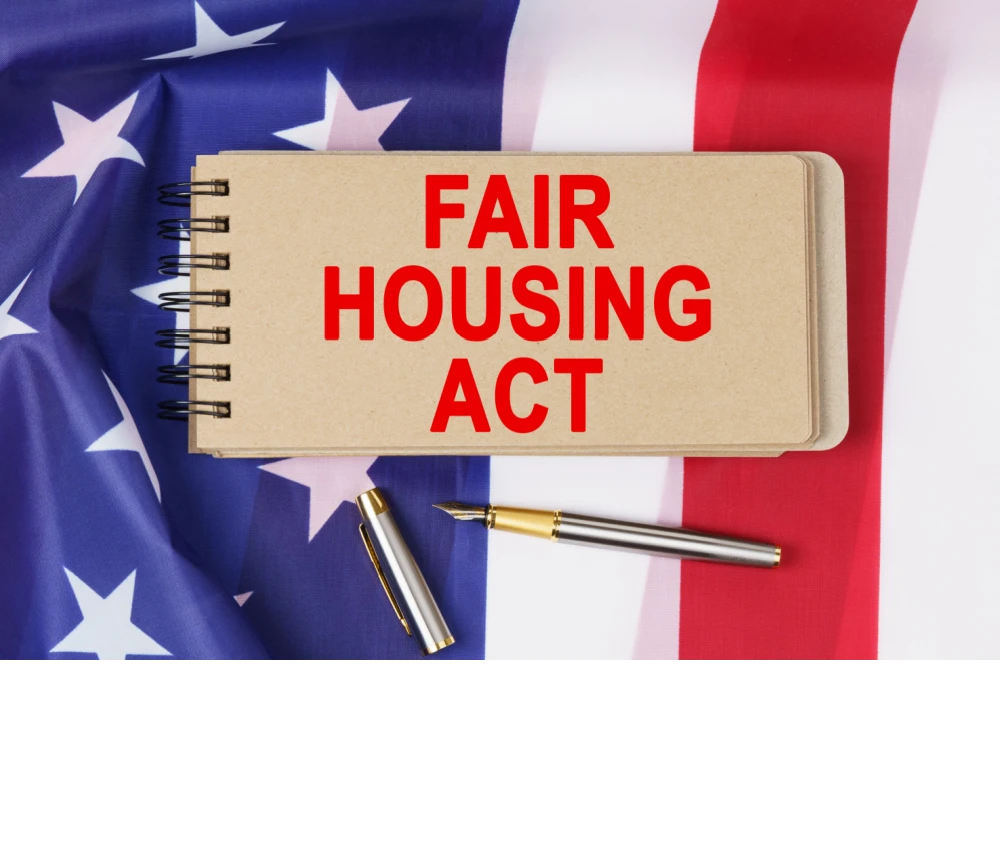
2025 Fair Housing Trends Report

The National Fair Housing Alliance (NFHA) is the nation’s largest nonprofit fair housing organization, leading investigations, enforcement, advocacy, and research to advance equal housing opportunity. It processes the majority of fair housing complaints nationwide and plays a significant role in shaping enforcement priorities.
Each year, the NFHA publishes a comprehensive report on housing discrimination. It does this by drawing on data reported by private fair housing organizations, the Department of Housing and Urban Development (HUD), state and local Fair Housing Assistance Programs (FHAP), and the Department of Justice (DOJ). For housing providers and industry professionals, NFHA’s work provides a key indicator of current and emerging fair housing risks.
The National Fair Housing Alliance’s newly released 2025 Fair Housing Trends Report offers one of the clearest empirical studies of how housing discrimination is showing up across the country. The newest data — based on 2024 complaints — reveals patterns, notable shifts, and emerging risk factors that could shape compliance, risk management, and enforcement strategies for housing providers, property managers, and compliance teams.
Below are the central themes revealed in the 2025 Report.
Overall Context and Complaint Volume
In 2024, a total of 32,321 fair housing complaints were reported across the United States—a figure consistent with recent high levels of discrimination filings over the past 10 years. NFHA contends that these complaints may reflect only a portion of the actual discriminatory conduct, citing reporting barriers and challenges in detecting discrimination.
Although federal agencies receive substantial attention, the majority of complaints are handled by private, nonprofit fair housing organizations. In 2024, these private entities processed roughly 74% of the complaints filed, significantly outpacing federal and state agencies.
HUD accounted for about 4.85%, FHAP agencies about 20%, and the DOJ approximately 0.14% of complaints. This breakdown underscores the shifting enforcement landscape, reduced involvement, and reduced funding from federal agencies.
What Types of Complaints Are Most Common?
Disability Remains the Leading Complaint
Disability discrimination continued as the most frequently alleged basis, accounting for more than 17,600 complaints (54.59%) in 2024. This continues a longstanding trend. These complaints are often driven by issues such as refusal to grant reasonable accommodations, physically inaccessible housing features, or refusals to modify policies for disabled tenants.
Race, National Origin, Sex, and Retaliation
Race, national origin, and sex were significant sources of complaints, accounting for 28% of all filings. Perhaps unsurprisingly, national origin complaints rose, which may reflect demographic shifts or emerging language access issues in communities across the country.
Another striking development was the rise in retaliation complaints, which more than doubled. The National Fair Housing Alliance notes that many incidents that may have been coded as harassment in prior years are now being reported as retaliation. In addition, complaints based on familial status, color, and religion continue to appear, however, with much less frequency – accounting for (collectively) only 9% of all complaints.
Locally Protected Classes: Rates Surging
Interestingly, NFHA’s “Other” category accounted for 18% of all complaints filed in 2024, outpacing every other category except for disability. This “other” category comprises protected classes covered by state or local law (and not included among the seven federally protected classes). According to NFHA’s reporting, the other categories include (listed in order of prevalence of complaints): source of income, retaliation, age or student status, criminal background, victims of domestic violence, sexual orientation, gender identity/expression, marital status, military status, and immigration status/citizenship.
This highlights the importance of housing providers closely tracking protected classes in their jurisdictions and ensuring compliance with state and local fair housing regulations. This is particularly true given that we are seeing enforcement handled overwhelmingly by private or local fair housing agencies and not by governmental agencies.
Need Legal Help?
Chat with a real estate lawyer near you. It’s only $5 for a 1-week trial. Ask unlimited questions.
Geographic Patterns
Around 36% of complaints were filed on the West Coast and the Pacific Northwest (11,796 complaints in HUD Regions 9 & 10). Around 30% of complaints (approximately 9,920) originated out of HUD Regions 1-4 on the East Coast (e.g., Florida to Maine). The reminder arose out of the central United States. However, the vast majority of those complaints (over 63%) are from Region 5 (e.g., Ohio, Indiana, Illinois, Michigan, Wisconsin, and Minnesota). That leaves very few coming from HUD Regions 6, 7, and 8 (about 11% of the national complaints filed).
While disability discrimination dominates across all regions, the geographic distribution of other complaint types reveals meaningful shifts. States such as California, Michigan, Oregon, and Pennsylvania saw some of the largest increases in national origin complaints. These regional trends may reflect demographic changes, linguistic barriers, tenant-screening practices, and varying state and local protections that interact with federal fair housing law.
Enforcement Outcomes: What Drives Action?
Although the report does not label any category as “most successful,” the types of complaints that most frequently lead to findings, charges, settlements, or other enforcement action continue to be:
- Disability-related cases, including failures to provide reasonable accommodations and accessibility violations
- Retaliation, which has become more visible and more frequently substantiated
- Appraisal discrimination, an emerging area where complaints rose among private organizations
HUD and FHAP agencies together issued 471 “cause” determinations or charges in 2024. The DOJ filed 44 cases, including significant actions involving sexual harassment in housing, discriminatory zoning decisions, lending discrimination, and accessibility issues. Many of these resulted in substantial monetary relief and mandated policy changes.
Which Housing Sectors Generate the Most Complaints?
Rental housing continues to dwarf all other categories. In 2024, more than 27,000 complaints — over 83% of all fair housing complaints — stemmed from rental housing transactions. This category has dominated for years and continues to be the most common source of discrimination complaints.
Sales, mortgage lending, homeowners insurance, and appraisals make up much smaller slices of activity. Still, certain areas are gaining attention, especially appraisal discrimination and complaints involving homeowners associations (HOAs) and condominium associations.
Systemic Issues Identified in this Year’s Report
Funding Instability
In February 2025, HUD terminated 78 Fair Housing Initiatives Program (FHIP) grants — valued at more than $30 million in active funding — before litigation forced the agency to reverse course. Although some funding was reinstated, long-term consequences are likely if the enforcement system continues to lose capacity.
High Monetary Costs
The DOJ secured approximately $50 million in monetary relief during 2024. Cases included sexual harassment settlements, disability discrimination findings, zoning-related race discrimination, and accessibility violations. Several individual outcomes exceeded $500,000, and one settlement exceeded $38 million.
Growing Backlogs
Both HUD and FHAP agencies continue to struggle with “aged” cases — those pending for well beyond the 100-day timeline. By the end of 2024:
- HUD had more than 2,600 aged cases, and
- FHAP agencies had more than 8,100 aged cases.
These delays leave tenants, property managers, and housing providers waiting months (or years) for resolution.
Increasing Algorithmic and Technology-Driven Risks
Artificial intelligence (AI) – powered systems — including tenant-screening software, dynamic pricing tools, and automated appraisal technologies — are introducing bases for discrimination complaints. Many of these tools operate as opaque, “black box” systems that housing providers may rely on without understanding potential fair housing implications. NFHA suggests that algorithmic discrimination may be one of the most serious emerging threats in the housing market.
Bottom Line: What This Means for 2025 and Beyond
The NFHA’s 2025 Trends Report delivers a clear message: fair housing enforcement mechanisms remain strained. For multifamily owners, managers, developers, and legal professionals, the implications are clear:
- Disability-based issues remain the most significant area of exposure
- National origin and retaliation complaints are rising and deserve attention
- Algorithmic tools used for tenant screening, pricing, and marketing should be carefully reviewed for compliance gaps
- Enforcement actions involving appraisals, HOAs, and accessibility will likely continue to grow
Ultimately, this report underscores the ongoing need for proactive fair housing compliance, rigorous documentation, and thoughtful risk management as discrimination risks evolve in both traditional and technology-driven contexts.
Source: JDSupra by Offit Kurman








 Accessibility