
Development Gives Residents a Financial Stake

Residents are gaining more than a place to live at Arbor 515 in Salt Lake City.
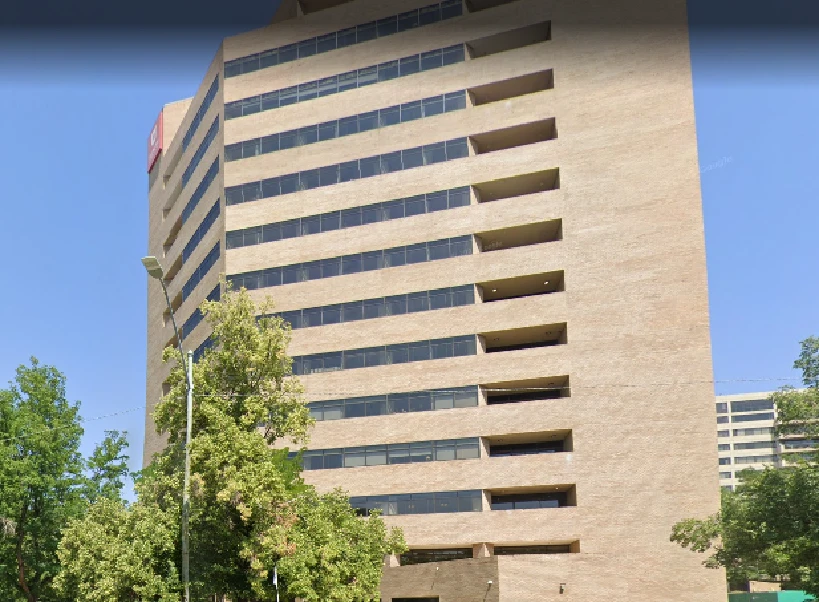
The new development—a conversion of a former office building—provides 96 affordable homes as well as a unique opportunity to earn equity.
The majority of the building’s annual cash flow will go back to residents, and when Arbor 515 is refinanced or sold, residents will also receive meaningful direct payments based on how long they have lived in their apartments, according to developer Chris Parker, director of Perpetual Housing Fund (PHF).
The nonprofit is piloting the Tenant Wealth Initiative (TWI) at the recently opened development. Residents have an option to enroll in TWI at no cost or requirements. To receive benefits, they must stay current on rent and meet the usual lease terms.
After one year in good standing, residents will receive a rent rebate based on the building’s financial performance. The aggregate rebate available to residents will be 75% of anything the developer would have normally made in a given year. This is estimated to be about $1,000 per household after the first full year and increasing over time.
Proceeds from a refinancing or sale after 15 years or so are projected in the millions, the share of which could be life-changing for residents.
Parker traces the idea for Arbor 515’s program to the COVID-19 pandemic, when the housing market began to shift. In the Salt Lake area, the average person could no longer afford a home, even though just a few years earlier someone earning the median income could purchase most houses in the region.
“You had this moment when affordability was greatly reducing,” he says. “… If you didn’t already own a home, the majority of Utahans were, for the first time, finding homeownership not being available to them.”
One way that PHF is helping to address the housing crisis is with the new TWI program. In addition to the annual rent rebates and proceeds from a refinancing or sale, long-term participants may apply their earned share toward buying a home offered through the program’s nonprofit partner. They can also apply for a grant from an emergency fund to cover urgent, unexpected expenses.
Eight of the building’s 14 stories have been converted to apartments for residents earning between 25% to 55% of the area median income (AMI). Half of the units feature three or four bedrooms to accommodate families.
Arbor 515 is fully occupied after the final residential floor was renovated and opened to residents in December. Community Housing of Utah is a project partner, working with the residents.
Free Rental Application
Get 20 Rental Forms for FREE, including a rental application.
Financing Model
All the initial households have opted to participate in TWI. The program offers tremendous benefits for the residents, but what’s in it for project partners who typically aim to maximize their proceeds?
“We have a very unusual capital stack,” Parker says. “Our guarantee pool is funded by Salt Lake City, Intermountain Health, and Zions Bank, and it’s specifically targeted toward this kind of philanthropic drive. They’re taking less than market-rate equity return in exchange for us trying to distribute as much cash as possible for the tenants. Our capital is very aligned with this mission.”
Basically, there is a 2% floor and a 6% cap on returns, according to Parker.
While some of the goals and partners are different, the financing for the approximately $38 million development is pretty traditional, utilizing sources common in affordable housing deals, including 9% low-income housing tax credits allocated by Utah Housing Corp., according to Parker. Goldman Sachs’ Urban Investment Group is the equity partner.
“What we wanted to do in the model is change as little as possible because change is hard,” Parker says. “The only thing that is different from our deal and every other affordable housing deal that’s been done in the last 10 years is who gets the money. Everything else is financed traditionally. We meet the same thresholds. We go after the same pools of money. We wanted to get to a model that is comfortable for our bankers and our legal team so that we can focus on the important thing, which is helping get financial stability to these families.”
A common question that was asked was, “What’s the catch?”
“It takes people a second to trust there isn’t a hidden motive here,” Parker says. “Because it sounds a little too good to be true, people commonly get excited, but very careful. … Once it’s clear that we’re really not changing anything about these projects other than who gets the final checks, people have rallied in a heart-warming way.”
Beyond Housing
There’s more to Arbor 515 than just housing. The bottom floor will feature a nonprofit restaurant that will provide healthy, affordable meals and a pay-what-you-can yoga studio. The second floor is home to a Montessori school that provides scholarships to children living in the building and a local bike-share program, says Parker.
In addition, the region’s United Way is moving its headquarters to the building, and there will be two floors of coworking space for social impact organizations.
“It’s massively mixed-use,” says Parker, noting that a planned second phase will deliver additional affordable apartments, this time up to 60% of the AMI, along with affordable homeownership units for those earning up to 120% of the AMI.
Arbor 515 is just the beginning. Going forward, the plan is for every rental project that PHF develops to follow the model and include a resident wealth-building initiative, according to Parker.
“It’s something that is needed in our market,” he says. “The tools that we have for middle- and lower-income families even in the last decade don’t look like they’re going to work anymore. It’s been fun working with the team to come up with how housing 2.0 might look in our current system.”
Source: Affordable Housing Finance






 Accessibility