
Conversions extendi beyond downtown cores into suburban office parks and business districts.
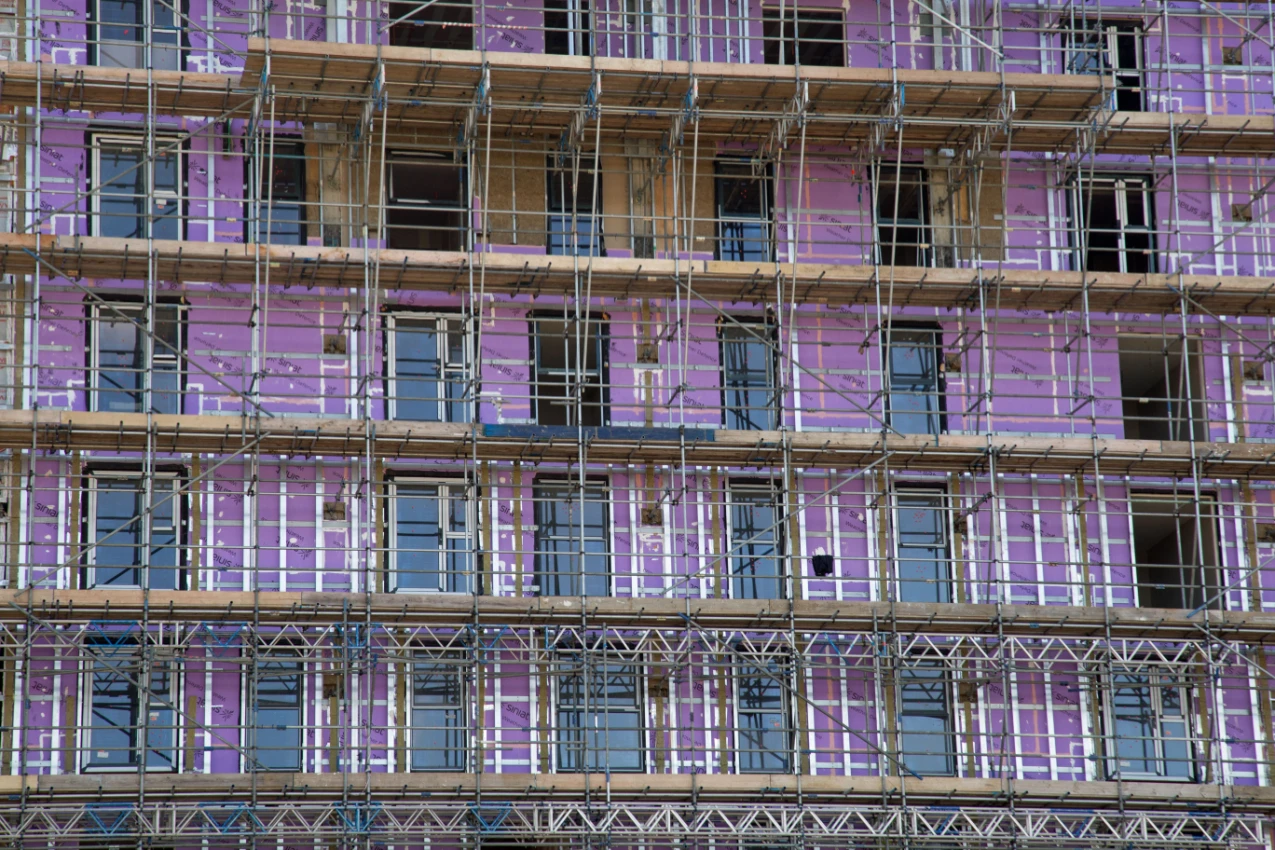
Office-to-Apartment Conversions Hit Record Levels

Across the country, empty office buildings are finding a second life as apartments. At the start of 2026, 90,300 units were in the office-to-apartment pipeline, up 28% from a year earlier and nearly four times larger than in 2022, according to a RentCafe analysis.
The surge is being accelerated by an impending wave of maturing office loans. Roughly a third of U.S. office loans — totaling more than $213 billion — are set to mature by 2027, leaving owners of underperforming properties with few choices: refinance, sell or adapt. Converting office towers to residential use has emerged as a practical and increasingly urgent solution, particularly in dense urban cores where adding new housing from the ground up is difficult.
The shift has been building for several years, RentCafe said. National office vacancy rates hovered near 20% in early 2025, with many buildings physically occupied at just 50%–55%. That underutilization left millions of square feet of office space idle and financially vulnerable, creating fertile ground for residential conversions.
Over the past four years, the number of planned office-to-apartment units has surged to 23,100 in 2022, 45,200 in 2023, 55,300 in 2024 and 70,700 in 2025, before hitting the current record of 90,300 units. Today, office conversions account for nearly half of all planned adaptive reuse projects nationwide, surpassing hotels, industrial properties and other building types.
New York tops the list of office-to-apartment conversions with 16,358 units in the pipeline, representing nearly 62% of all adaptive reuse activity in the metro. One standout project is 111 Wall Street, which will transform more than 1.1 million square feet of office space into over 1,500 apartments.
Washington, D.C., follows with 8,479 units — 64% of the metro’s adaptive reuse projects — including the conversion of 450 5th Street NW, a 385,000-square-foot office building into roughly 500 apartments near major transit hubs. Chicago’s slate leans heavily on historic office stock, averaging nearly 90 years old. At 105 West Adams Street, roughly 400,000 square feet is being converted into 400 apartments, with 30% of the total set aside for affordable housing.
Other major metros are embracing conversions as well. Los Angeles has 4,340 units planned, supported by expanded Citywide Adaptive Reuse Ordinances that streamline approvals. Dallas has 3,966 units underway, with office conversions making up 82% of all adaptive reuse projects, including the 14-acre Stemmons Towers campus, soon to become the 394-unit Lumiére community.
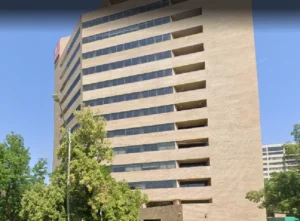
Denver and Philadelphia have more than doubled their pipelines year-over-year, with Denver jumping from 15th to 6th nationally, thanks to projects like the 621 and 633 17th Street towers, slated for over 700 apartments. Philadelphia’s historic Wanamaker Building is being redeveloped into more than 600 units while preserving its architectural character.
Atlanta, Cleveland and Cincinnati round out the top 10, with conversions extending beyond downtown cores into suburban office parks and business districts.
Source: GlobeSt.




 Accessibility