
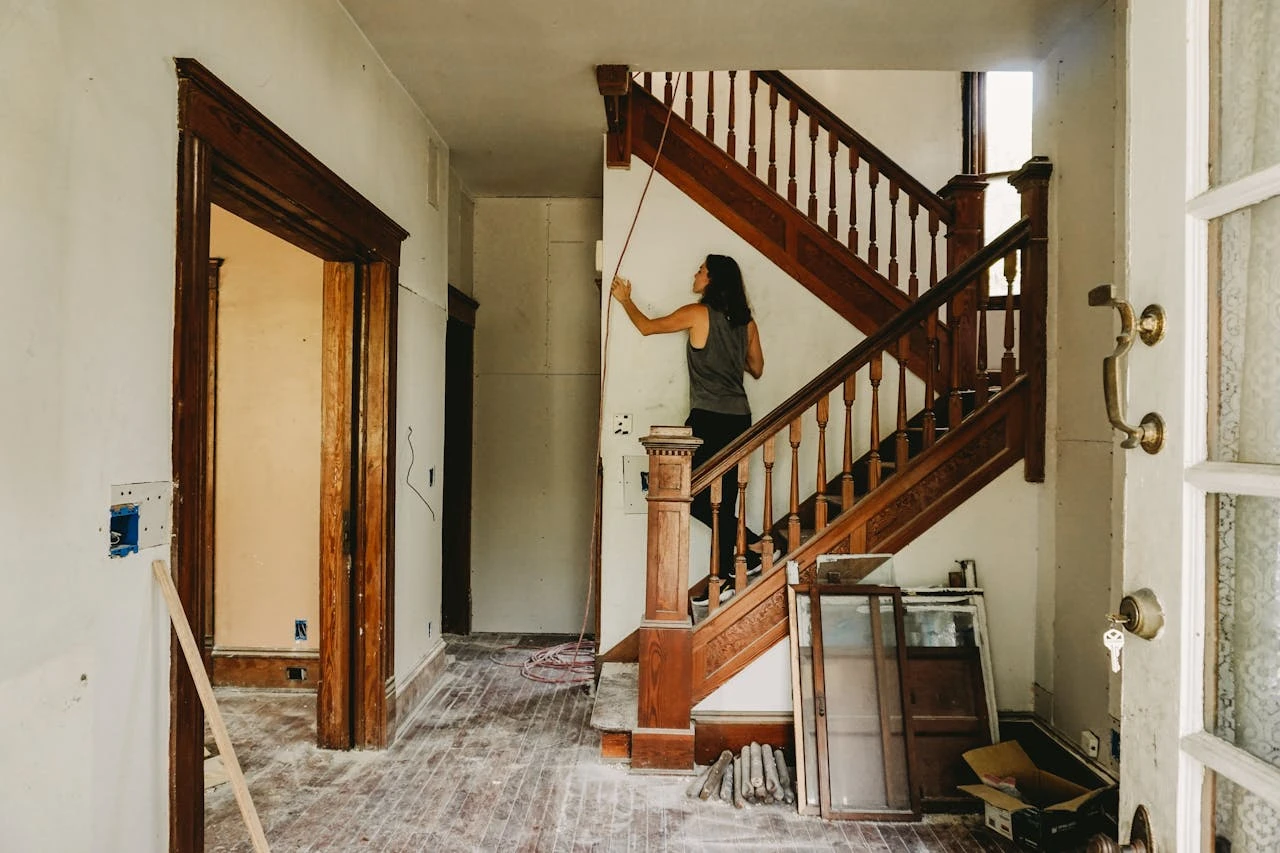
Using a Home Equity for Home Renovations

Home renovations can improve both the comfort and long-term value of your property, but they often come with unpredictable costs and timelines. A home equity line of credit from PNC Bank can be a practical way to finance these projects, especially when expenses are spread out over time. Instead of taking on a fixed loan amount upfront, this approach allows you to access funds as your renovation progresses.
Why Renovations Pair Well With Flexible Financing
Unlike one-time purchases, home improvement projects often evolve. You may start with a kitchen upgrade and later decide to expand into additional areas of the home. Materials, labor costs, and timelines can shift, making it difficult to estimate the exact amount you will need from the beginning.
This is where flexibility becomes valuable. With a revolving line of credit, you can draw funds as needed and only pay interest on what you use. This structure helps align your financing with actual project costs rather than relying on rough estimates.
Common Renovation Projects That Benefit
Many types of renovations are well-suited for this type of financing, particularly those that occur in phases or require ongoing adjustments.
Kitchen And Bathroom Upgrades
These projects often involve multiple steps, including design, demolition, installation, and finishing work. Costs can vary depending on material choices and unexpected changes, making flexible funding especially useful.
Major Structural Improvements
Projects like room additions, roofing, or foundation work can be expensive and may require staged payments to contractors. Accessing funds incrementally can help manage cash flow throughout the process.
Energy Efficiency Upgrades
Improvements such as new windows, insulation, or HVAC systems may be completed over time. Spreading out the work allows you to prioritize the most impactful upgrades first while maintaining access to additional funds if needed.
Managing Costs During The Draw Period
During the draw period, you can borrow, repay, and borrow again within your approved limit. This can be particularly helpful when managing renovation expenses that do not follow a fixed schedule.
Because you are typically only required to make interest payments on the amount used, it can keep initial monthly costs lower while the project is underway. However, it is still important to track spending closely. Setting a clear budget and timeline can help prevent overborrowing and ensure the project stays financially manageable.
Planning For The Repayment Phase
Once the draw period ends, the repayment phase begins. At this point, you will start paying both principal and interest, which can increase your monthly payment. For homeowners who have completed renovations, this transition often coincides with the finished value of the home, which may have increased as a result of the improvements.
Planning ahead for this shift is essential. Understanding how your payments will change and building that into your long-term budget can help avoid financial strain later on.
Balancing Value And Risk
Using your home as collateral means it is important to approach borrowing with a clear strategy. Renovations that enhance usability, efficiency, or resale value are typically the most justifiable uses of home equity. Projects that do not add meaningful value may be harder to justify from a financial perspective.
It is also worth considering how long you plan to stay in your home. If you expect to move in the near future, focusing on improvements that deliver a strong return on investment can help maximize the benefits of your spending.
Making Renovations More Strategic
A home equity line of credit can make home renovations more manageable by aligning funding with how projects actually unfold. The ability to draw funds as needed, control borrowing, and adapt to changing plans provides a level of flexibility that traditional loans often lack.
When used thoughtfully, this approach can help you improve your home without overextending your finances. The key is to combine a clear renovation plan with disciplined borrowing, ensuring that each phase of your project supports both your living space and your long-term financial goals.









 Accessibility