
L.A. County’s indoor temperature standard requires many rental homes to stay below 82 degrees by 2027.
Extreme Heat Highlights Need for Indoor Temperature Standards

In 2025, the Los Angeles County Board of Supervisors approved an ordinance requiring housing units in unincorporated areas of Los Angeles County to maintain a maximum indoor temperature of 82 degrees Fahrenheit beginning Jan. 1, 2027.
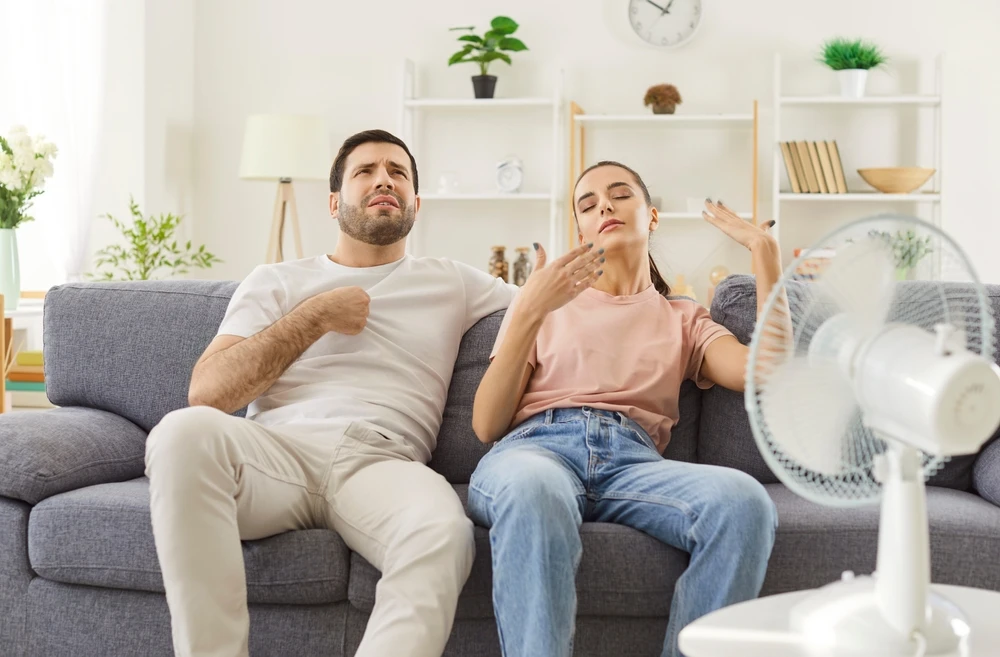
As Southern California experiences yet another sweltering summer with frequent heat advisory warnings, this standard seems to be highly anticipated and prevalent. Renters all along Southern California have been struggling with uncomfortably high temperatures and even higher electricity bills, often having to spend money on portable ACs to cool down.
The Purpose
What drove the bill to be passed was a 2023 County of Los Angeles’ Public Health report investigating safe maximum temperatures and recommended thresholds. The study examined health and safety risks for heat-related and chronic illnesses, which have historically disproportionately affected low-income communities.
The law focuses on temperature, meaning property owners have the option to provide additional cooling methods besides AC to cool units, and will allow complaints to be handled through the Los Angeles County Department of Public Health’s Rental Housing Habitability Program.
What Are Unincorporated Areas?
Unincorporated areas in LA County make up 65% of LA County land area, with over 1 million residents. These areas include Altadena, Calabasas, East LA, Hacienda Heights and more, and utilize a Board of Supervisors in place of a city council.
This means the law does not apply to main cities like LA, Santa Monica, Inglewood, Glendale or Pasadena. However, these cities can choose whether or not to adopt similar requirements, and experts are hopeful that this will become a model to replicate.
“The tenants that live in the city of Los Angeles or Santa Monica, Inglewood, San Fernando, they don’t have any rights when it comes to cooling,” said Skip Koenig, director of pro bono at Neighborhood Legal Services of Los Angeles, according to LA Public Press. “That’s something that we’re going to continue to have to fight for.”
Need Legal Help?
Chat with a real estate lawyer near you. It’s only $5 for a 1-week trial. Ask unlimited questions.
Cold vs. Heat
Housing in California has traditionally been required to have restrictions for heating, maintaining a minimum room temperature of 70 degrees. “Statewide habitability law does not set a standard for cooling,” said Amy Tannenbaum, supervising attorney with Public Counsel’s Homelessness Prevention Law Project. “There is a standard for heating … this is an additional protection that tenants in unincorporated LA County [will] have on top of what’s available statewide.”
Past Legislation
LA County is not, in fact, the first to implement safety thresholds regarding a ceiling for indoor property temperatures. In 2018, the notoriously arid Palm Springs required housing owners to maintain a maximum temperature of 80 degrees in all habitable rooms.
In 2023, a poll found that 67% of Californians support the idea of the state establishing cooling standards for residential properties, according to a UC Berkeley poll.
Consequently, in October of 2025, the state of California passed Senator Henry Stern’s bill, SB655, which established that dwelling units are required to maintain a safe maximum indoor temperature. This issue had previously been blocked numerous times by landlords and lobbyists due to cost concerns and wanting more research done.
What’s in the Future?
However, concerns still stand that enforcement may move slowly, leaving some tenants waiting a long time or even pursuing legal action before unsafe conditions are fixed. It is recommended that tenants take pictures and videos of conditions and record temperatures to protect themselves.
In the meantime, passive cooling seems to be the most cost-effective option to stay cool including opening windows at night, using reflective surfaces and relying on exterior shading and greenery.
Source: Los Angeles Magazine








 Accessibility