
Experts say the trend is likely to continue into early 2026

Rent Declines Continue in Major US Cities

KEY TAKEAWAYS
- Median asking rents continue to decline across major US cities, with some Sun Belt and Western metros seeing year-over-year drops of over 6%.
- The cooling market follows a record year of apartment completions in 2024, which has given renters more bargaining power.
- Experts say the trend is likely to continue into early 2026, offering renters a rare opportunity to negotiate leases and lock in lower prices.
A Market Shift Years in the Making
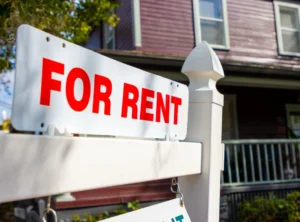
After years of double-digit rent hikes, renters are finally getting a break, per CNBC. November data from Realtor.com shows that the median asking rent across the 50 largest US metro areas dropped to $1,693—down 1% from the same time last year. Nationally, Apartment List reported an even steeper 1.1% year-over-year decline, with the median rent falling to $1,367.
While winter is usually a quieter rental season, this year’s drop from October to November was steeper than usual—reflecting a broader market correction after years of overheated growth.
Why It’s Happening
Rents soared during the pandemic-era housing crunch, with prices for one- and two-bedroom units rising at annual rates above 12% through mid-2022. But by 2023, that trend reversed as supply caught up.
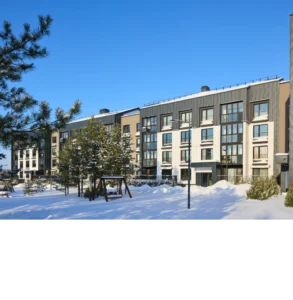
In 2024 alone, more than 600,000 new multifamily units came online—the largest influx of new apartment inventory since the 1980s. That wave of supply is now driving competition among landlords, especially in large managed buildings, where pricing pressure has intensified as vacancies climb to levels not seen in more than a decade, mirroring broader data showing the vacancy rate reaching historic highs nationwide.
“We’re seeing price wars within buildings,” says Jaclyn Bild of Douglas Elliman. “Landlords are making multiple price reductions just to get foot traffic.”
High-end rentals and single-family homes have remained more stable, but pressure is building even in those segments as choices expand.
Free Rental Application
Get 20 Rental Forms for FREE, including a rental application.
Where Rents Are Dropping the Most
Some markets have been hit harder than others. Cities in the Sun Belt and Western US—where construction has boomed in recent years—are seeing the steepest rent declines. In November, these metros recorded the largest year-over-year drops in median asking rents, according to Realtor.com:
- Austin, TX: -6.6%
- Denver, CO: -4.8%
- Birmingham, AL: -4.6%
- Jacksonville, FL: -4.2%
- Phoenix, AZ: -4.0%
- San Diego, CA: -3.5%
- Las Vegas, NV: -3.0%
- Houston, TX: -2.7%
- Miami, FL: -2.7%
- San Antonio, TX: -2.7%
Though rents in most areas remain well above pre-pandemic levels, the pace of increases has clearly reversed.
Looking Ahead to 2026
With even more apartment completions expected in early 2026, renters may have an extended window of opportunity.
“This is shaping up to be one of the most renter-friendly periods we’ve seen in a decade,” says Michelle Griffith, a luxury real estate broker at Douglas Elliman.
Experts suggest that renters explore lease negotiations and concessions now, especially during the quieter winter and early spring months when landlords are more likely to offer discounts or flexible terms.
Griffith adds, “Locking in a lease during periods of elevated supply can provide cost certainty before demand picks up again.”
Why It Matters
This shift in rental dynamics is not just a short-term blip—it reflects a rebalancing of the market. With high vacancies, record apartment deliveries, and more units still under construction, tenants are now in a stronger negotiating position.
And while rents may eventually stabilize later in 2026, the current climate offers rare leverage for renters—especially in once-competitive markets that are now flush with supply.
Bottom Line
If you’re renting—or thinking about moving—early 2026 could be one of the best times in years to secure a deal.
Source: CRE Daily






 Accessibility