
U.S. multifamily rents posted a modest increase in January

Some Early Signs In 2026 As Rents Find Some Footing

U.S. multifamily rents posted a modest increase in January, snapping a five-month decline, but heavy supply, slowing absorption and economic uncertainty point to a fragile recovery as the spring leasing season approaches, Yardi Matrix says in a Rent Forecast report.
Pipeline supply, along with affordability concerns, weigh on advertised rent growth going into 2026. Heading into another year of higher-than-average deliveries in large Sun Belt markets will continue the downward pressure on national advertised rents.
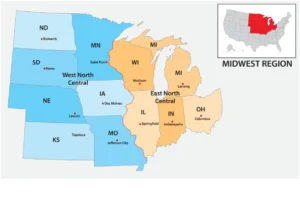
Affordability concerns will limit growth in the renter-by-necessity segment while bright spots remain across the Midwest and Northeast.
Ending 2025, there was a wide distribution of market performance across geographies and city sizes. For every big Sun Belt market like Austin that ended the year with negative growth there were two medium-size markets in the Midwest or Northeast that saw significantly better growth than historical averages.
“We anticipate the story this year will be largely similar. The pipeline of properties expected to deliver in those same big Sun Belt markets is still historically large, and those markets are still struggling to absorb the massive influx of apartments that was turbocharged in the wake of demographic shifts from the pandemic.
Get a Free Multifamily Loan Quote
Access Non-Recourse, 10+ Year Fixed, 30-Year Amortization
Not a doom-and-gloom forecast
“This isn’t a forecast of doom and gloom for those Sun Belt markets, though—economically, they are generally doing well, and new apartments are getting absorbed.
“There just was—and continues to be—such a glut of new supply that it is taking a few years to work through.”
Concern over economy with workforce tenants struggling
The workforce group of tenants – or renters-by-necessity – are affected when economic gains are concentrated at the top while lower income consumers are financially struggling.
“This will make it harder to attain average increases in advertised rents, as given a long enough timeframe, the bulk of growth across almost every single market we track comes from the renter-by-necessity, workforce housing segment. Lifestyle apartments generally follow a boom-and-bust pattern, but workforce housing historically has seen steady, consistent growth in asking rents that outperforms lifestyle in the long run,” writes Andrew Semmes, senior research analyst for Yardi Matrix.
“It will be more difficult to achieve gains in overall advertised rents if the people renting workforce apartments don’t have steadily increasing incomes on average,” Semmes writes.
“Nationally, we have lowered our near-term national forecast to 0.5% growth in advertised asking rents for 2026, 1.0% in 2027, and 2.3% in 2028 before returning to the long-run average of 3-4%.”
Source: Rental Housing Journal






 Accessibility