

Storms, Thefts and Insurance: How Property Owners Can Maximize Growth in 2026 Through Risk Mitigation

A new year is on the horizon and property owners are working through a market filled with high demand presenting a series of challenges. High mortgage rates and slow construction have pushed demand for rentals, while property owners have simultaneously navigated issues including inflation, increased HOA fees, rising insurance costs, as well as severe weather and tenant liability risks.
Proactive landlords who take the time to understand the shifting landscape ahead of 2026 can best position themselves to protect their properties, manage insurance costs and find opportunities for growth and profitability. This process starts by examining the range of risks confronting property owners.
New Year, New Risks
As the market for rentals improves and property owners bring in new tenants, proactive landlords will want to understand existing as well as emerging risks. With proper preparation, owners can avoid these risks and capitalize on the market’s success. Leading risks to consider in 2026 include:
- Weather Related Claims: For several years, severe storms, wildfires, flooding and hurricanes have driven high numbers of claims nationwide. Wildfire season has become a year-round threat and even outside of high-risk zones, properties are at risk of fires and flooding causing significant damage. In particular, we have seen insureds with aging roofs, outdated plumbing and older HVAC systems suffer severe losses in the aftermath of natural catastrophes.
- Tenant Claims: There are a few key tenant risks that property owners should have in mind in the year ahead. We have seen negligence, liability claims and property damage claims continue to rise. On the liability side, slips and falls are always a threat. If a home has a pool, wet areas are a significant cause of slips and subsequent injuries. Similarly, some properties have wires or other hazards in the open that can trip guests or renters.
- Theft: Property thefts often include stealing HVAC units, tools and vehicles. Even small-scale thefts are a problem because these events signal that the property can easily be robbed. Consequently, this attracts more criminal activity and creates a safety risk for tenants. Without surveillance footage, it can be difficult for property owners to pursue a claim for a theft.
- Cyber: Online rent collection and communication systems have become a common tool for managing the landlord renter relationship. Before implementing one of these systems, owners should consider the potential cyber risks. Rent portal links can be spoofed, leading to missing money and a host of issues for landlords to manage.
- The Insurance Market: The California insurance market’s challenges have been well covered across major media outlets, and California’s problems are now becoming a problem for property owners elsewhere. Carriers are often unwilling to insure older homes, properties near the coast or homes that have suffered repeated incidents and claims. Market conditions have also raised rates for homes with no recent claims, as their premiums can rise because of other losses in the area. Managing these rising insurance costs while maintaining coverage is essential as these risks increase the likelihood of a claim.
Proactive Solutions for Success
While we can’t mitigate all risk, there are several solutions property managers can proactively implement to protect their properties and tenants. Taking these steps can not only ensure property safety but also allow owners to secure a strong return on their investment and insurance coverage with lower premiums. Some best practices include:
- Focus on screening: A good tenant has a significant impact on the wellbeing of a property. For any tenant, property owners should start by reviewing their credit score and then, more importantly, look at their income. A stable income can be a better indicator of whether a tenant will be able to pay rent. In one case, a property owner did not screen an applicant before accepting them, leading to a missed rent payment of $10,000 and the owner had to spend another $10,000 to get the property prepared for a new tenant. In this situation, a comprehensive screening could have identified this issue beforehand and saved the property owner time and money. Screenings should include income and rental history and a background check. This will help reduce the likelihood of damages caused by tenants and missed rent payments.
- Implement cyber safety practices: Take time to develop cyber safety practices for anyone that uses or navigates rental portals. Similarly, upon accepting a tenant, provide guidance on how to safely navigate the rental portal and avoid common threats, such as spoofed links.
- Perform regular maintenance: Year-round weather threats and negligent tenants can lead to quick equipment and property breakdowns. Preventative maintenance can help mitigate this threat. Consider a regular maintenance schedule for all areas of the house, from roof inspections, to updating safety systems and kitchen appliances and more. Recently, a property owner in our area narrowly avoided a $50,000 claim because they replaced their 20-year-old roof just before heavy rain. Unfortunately, many of their neighbors chose to delay roof maintenance and as a result, when the water arrived, experienced significant water damage. Many filed water intrusion claims only to be denied because the roofs were too old to qualify for full coverage. Severe weather events are not slowing, and landlords need to prepare for the potential damages ahead of time.
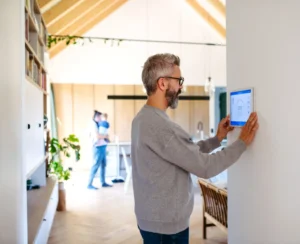
- Upgrade security: High quality and affordable security technology is readily available today and can reduce the threat of theft and other safety issues. Key technologies to consider include high-definition cameras with license plate recognition, smart locks with an audit trail, good alarm systems and window and door sensors. For example, we had a client who owned an apartment complex subject to repeated vandalism and car break-ins. We recommended they install cameras with license plate recognition, and after the next incident, they were able to provide that footage to the police and the suspects were identified. As a bonus, they were also able to secure a lower insurance rate at renewal because of their safety-first mindset.
- Revamp water protection systems: Water damage is frequently a problem for property owners, but there are a few options that can help prevent expensive losses. In particular, leak detection systems and automatic shutoff valves can limit the damage of water overflows. At one multi-unit building, a leak detection system was installed under sinks. At 2 a.m., a supply line failed and water started to leak. The detection system sensed and shut down the water flow, leading to only $1,200 in damages, instead of the $60,000 we would expect to see without a leak detection system.
- Be careful filing claims: While many property owners may assume it is best to always file a claim in the event of an incident, this is not always the case. Consistent small claims can lead to much higher premiums, and in the worst cases, insurers dropping coverage entirely. If a property is seeing consistent problems, the owner may want to consider paying out of pocket for smaller losses that fall below or near the deductible. We recommend reserving claims for damages that exceed your deductible amount as this will ensure properties are protected from major potential losses.
As rental demand rises, property owners have an opportunity to grow their business provided they take risk mitigation seriously. Taking time to understand the risks and implementing preventative maintenance, stronger screening practices and the latest security and safety technology can position property owners to limit incidents and find sustained growth.
About the author
 Seeta Bhandari is Sr. Vice President & Branch Owner at All Solutions Insurance, one of the largest independently owned insurance agencies in California placing over $5 million in annual premiums. She can be reached at 408-225-4300 x300 or [email protected].







 Accessibility