
The First Five Minutes Decide Whether a Rental Feels Worth the Rent

Renters make small decisions fast.
Before they ask about the lease terms, before they compare the square footage, before they picture where the sofa might go, they’ve already started scoring the property. The street. The parking. The walk to the door. The smell in the hallway. The light at the entry. The way the building number looks from the curb.
Landlords often think the showing starts when the door opens. Renters know better. The show starts when they slow down in front of the building and wonder whether they’re in the right place.
Those first five minutes won’t save a bad unit. But it can absolutely weaken a good one.
The showing starts before the unit door
Would friends circle the block trying to find the entrance? Would delivery drivers leave packages at the wrong door? Would you have to explain the parking every time someone came over?
Renters don’t always say those things out loud during a showing, but they notice them. A unit can be clean, fairly priced, and still feel loosely managed if the arrival is confusing. Faded address numbers, unclear parking, a poorly marked entrance, or a dark walkway can make the whole property feel more neglected than it is. The annoying part is that these are usually not major renovation problems. They’re small fixes landlords often postpone while spending more attention inside the unit.
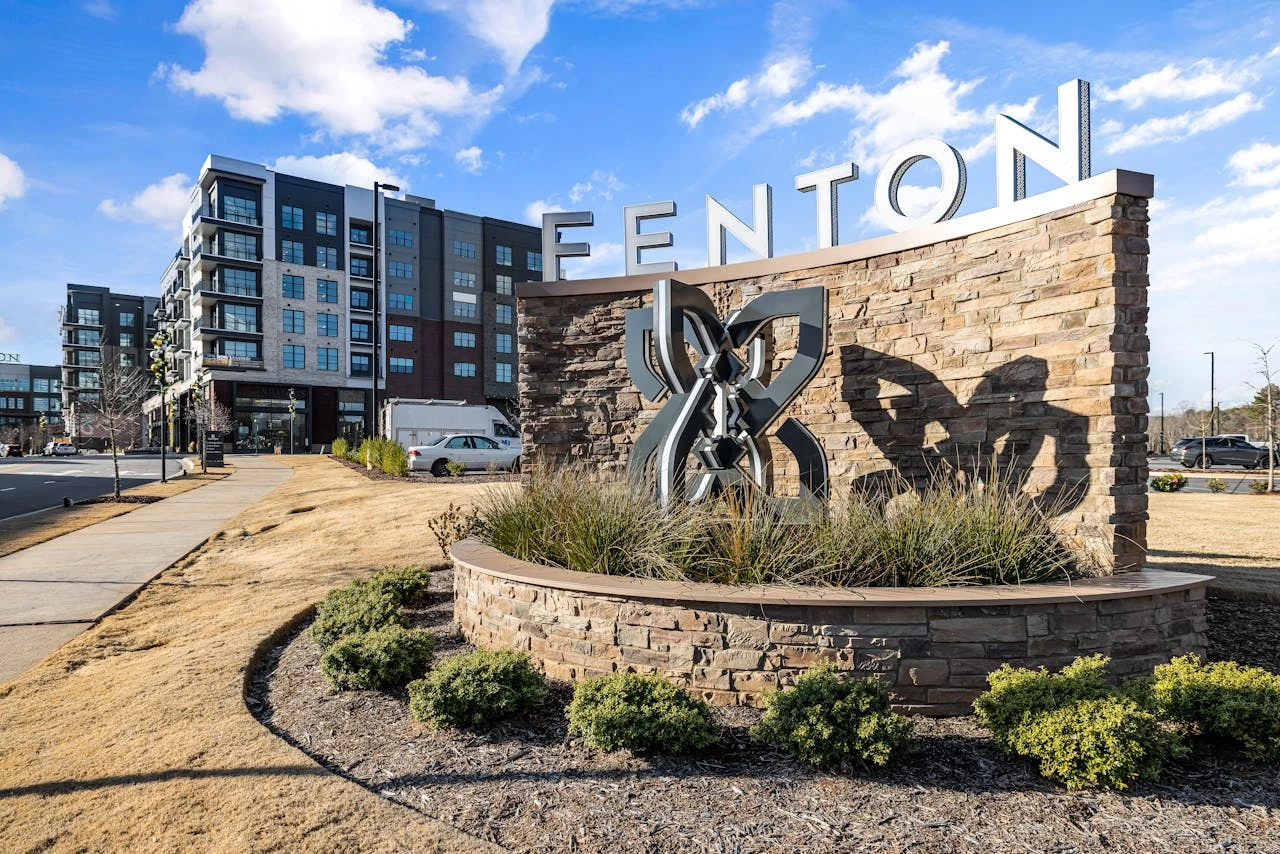
The outside doesn’t need to look fancy. It just needs to look handled. Clear building numbers, visible unit markers, trimmed shrubs near the entry, and lights that actually reach the walkway make the property easier to trust. When worn entry signage or sun-faded numbers get replaced, Impact signs belong in that same curb-appeal conversation: helping renters recognize the building, find the right door, and feel like the place is being looked after before they step inside.
The common mistake is spending only on what photographs well inside the unit. New cabinet pulls matter. So does the moment a renter parks and sees a dented sign, an unmarked stairwell, or a doorbell panel with peeling labels. One tells them the unit was prepared for a listing. The other tells them how the property is managed after move-in.
A simple pre-showing test helps. Arrive the way a renter would, without using the owner entrance or the shortcut you already know. Park where they’d park. Walk the route they’ll walk. Stand outside the door for thirty seconds. Notice what’s confusing, dim, loose, stained, noisy, or awkward. That short walk is often more honest than the listing photos.
Clean is not the same as ready
A unit can be cleaned and still feel unfinished. Renters notice the difference immediately.
Clean means the floors were swept, counters wiped, and trash removed. Ready means the property feels like someone checked the details a renter would actually live with. The blinds open without a fight. The closet door doesn’t jump the track. The bathroom fan works. The smoke alarm isn’t chirping. The hallway doesn’t smell like old cooking oil or wet carpet.
This matters because renters aren’t just judging beauty. They’re judging future hassle. A stained ceiling tile may not scare off every applicant, but it raises a question. Was there a leak? Was it fixed? Is the landlord hoping no one asks? The same thing happens with loose handrails, burnt-out common-area bulbs, missing outlet covers, and mystery odors. Each one adds friction.
Fire and safety basics belong in this category, too. The U.S. Fire Administration emphasizes the importance of working smoke alarms, and renters are not wrong to read a chirping alarm as a warning sign about management standards. A showing should never depend on the hope that someone won’t notice a safety device that needs attention.
The fix is not to drown the unit in air freshener. That usually makes people suspicious. Open the windows if the weather allows. Run fans. Replace dirty HVAC filters. Clean soft surfaces. Check under sinks. Look behind appliances. If the property recently had smoke exposure or a prior tenant smoked indoors, AAOA’s guidance on getting smoke smell out of a house after a fire is useful because the same principle applies: odor removal has to address the source, not just cover the air.
Readiness also includes small mechanical details. Test the locks with the actual showing key. Flush the toilet. Turn on every faucet. Open the windows. Switch on all lights. Run the garbage disposal if there is one. A renter may not perform a full inspection during a first tour, but they will notice if basic things fail in front of them.
The price has to match the walk-through
Renters compare rent against what they see, not what the landlord intended to provide.
A landlord may know the property has a new water heater, recent roof work, and strong rent history. The applicant sees the stairwell first. If the stairwell is dark, the unit number is crooked, and the entry mat looks like it came from a different decade, the rent starts to feel higher before the door opens.
That doesn’t mean every rental needs luxury finishes. It means the price needs a visible argument. If the rent is above nearby alternatives, the property has to explain itself quickly. Better storage, cleaner common areas, safer lighting, easier parking, responsive management, in-unit laundry, newer appliances, or a smoother application process can all support value. But those details have to show up in the experience.
Landlords sometimes focus too much on the unit’s strongest feature and ignore the weakest moment of the showing. A large living room won’t fully offset a messy trash area near the entrance. A renovated kitchen won’t erase the feeling of walking through a poorly lit hallway. A great backyard won’t help much if the side gate sticks and the path is muddy.
This is where comparing against the actual rental market helps. Not the market in theory. The three or four properties a renter is likely to see that same week. If those properties have cleaner entrances, clearer parking, faster communication, and more polished common spaces, your rent may feel ambitious even if your unit has more square footage.
The application stage should reinforce that same sense of order. If a renter likes the property but then receives a confusing form, vague criteria, or a slow response, momentum fades. AAOA’s application to rent resources is useful here because the showing and application should feel like one continuous process, not two disconnected experiences.
A good rental showing answers practical questions before the applicant has to ask them. Where do I park? Where does trash go? How do packages get delivered? Who handles maintenance requests? What happens if something breaks after hours? Are utilities separate? Is the laundry shared? Are pets allowed? The more confidently those basics are handled, the less the renter has to imagine worst-case scenarios.
Applicants notice management before they meet the manager
A showing is also a preview of the landlord relationship.
That can work in your favor. You don’t need to overtalk the property or promise perfection. You need to show that the rental is being managed by someone who notices things and follows through.
The easiest way to lose confidence is to explain away visible issues. “We’re going to fix that” may be true, but if the issue is obvious and the showing is already happening, the renter hears something else: the property was put on the market before it was ready. A better approach is to complete the small fixes before tours start, then mention recent improvements only when they help the renter understand the property.
Documentation matters here. A landlord who can answer questions about lease terms, move-in costs, maintenance procedures, and screening criteria sounds prepared. A landlord who has to “check on that” for every basic question creates uncertainty. That uncertainty can send a good applicant back to another property where the process feels clearer.
Move-out and turnover habits are part of this, too. Many first-five-minute problems begin when the last tenant leaves. If the inspection is rushed, the landlord misses the bent blinds, loose towel bar, stained closet shelf, dead porch bulb, or damaged threshold. AAOA’s apartment move-out checklist is the kind of operational tool that helps prevent those small misses from becoming first-impression problems during the next showing.
The best property managers tend to be boring in a good way. They don’t rely on charm to overcome disorder. They have keys that work, lights that work, forms that make sense, and answers that don’t change from one applicant to the next. AAOA’s overview of what a property manager does shows how much of the role comes down to consistent systems, not just collecting rent and calling vendors.
Wrap-up takeaway
A renter who starts with confusion or concern will keep looking for reasons to hesitate. Before the next showing, walk the property from the street to the unit door with no excuses and no shortcuts. Fix the first three things that would make you question the rent if you were seeing the place for the first time.








 Accessibility