
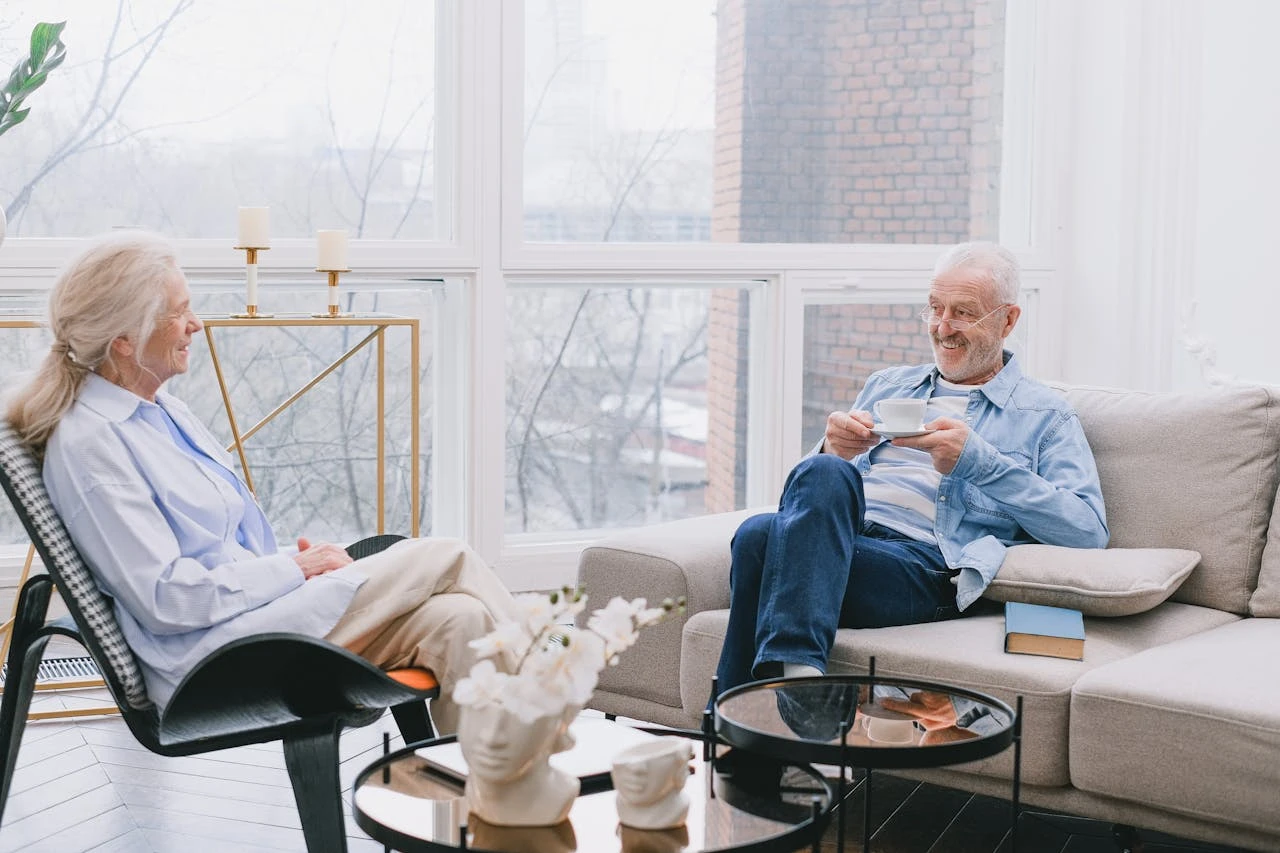
What Makes a Rental Property Feel Safe to Older Tenants

A senior is having a hard time living on their own because they can’t drive to get groceries, they need a chaperon for medical appointments, and they’re lonely where they are now. They’ve got zero intention of intruding on their kids’ lives, but they also don’t want to move into a nursing home.
The middle ground? A rental apartment, preferably somewhere close to friends or family.
The problem is that most rentals aren’t built in a way that makes older people safe and comfortable, so it’s slim pickings when you try to find an apartment for your aging relative, friend, or whatever.
This is really unfortunate because it doesn’t take much to make these types of spaces safe(r).
Why More Older Adults Are Choosing Rentals Instead of Long-Term Facilities
There are numerous reasons why older people choose these facilities, and it doesn’t help that there are horror stories about them all over the country.
A Miami, L.A., New York, or a Chicago nursing home abuse lawyer is all up to their necks in cases because nursing homes often aren’t even close to what they should be. And it’s not just big cities; no place is safe. And your only line of defense here is doing proper research beforehand, never relaxing too much (staying alert), and having an experienced lawyer on speed dial just in case.
So, naturally, people try to avoid them as much as possible.
Another reason is that most older adults simply don’t need medical care 24/7.
All they want is to live somewhere where they can be comfortable. You could be a picture of health at 73, but mowing a lawn is still going to be hard on your knees.
Enter rental properties.
It’s not hard to see the appeal. If the faucet starts to leak, you’re not the one fixing it. If there’s 10 feet of snow outside, that’s not your business.
No more dealing with roofers and electricians; if something breaks, all you need to do is make a phone call. That’s a huge weight lifted, and when you really think about it, living in a rental isn’t even a compromise. It’s a relief.
It’s also MUCH easier to downsize if you’re moving into an apartment.
What Makes Older Tenants Feel Safe
For an older tenant, safety comes down to little things every young person takes for granted or doesn’t think about.
Bright Hallways
Bad lighting and uneven sidewalks are very stressful for older people because they’re too risky for them. Stairs need to be well-lit, as well, and all of them should have handrails.
They don’t mean to, but seniors think about stuff like this all the time, and it can get really exhausting. It shouldn’t be like that because what normal building wouldn’t have handrails on its stairs, and why on Earth would you not make sure that your hallways are bright enough?
For a senior, these are the differences between walking outside or getting their mail and being cooped up in the house.
This is part of how they stay independent.
Reliable Elevators
Elevators are an absolute must, even in buildings that have only 3 or 4 stories, because an older adult can’t climb a bunch of stairs easily.
Once again, an elevator that breaks down all the time or not having an elevator at all will make them unable to leave their home. If you add heavy doors and broken automatic openers to this, it becomes impossible to keep any semblance of independence, since your building doesn’t let you go anywhere.
Fast Repairs
This goes for everyone, but ESPECIALLY for older adults.
No matter how old you are, a broken heater or a leaking ceiling will stress you out. But if you know that it will be repaired soon, then it doesn’t take over your entire life.
For older adults, puddles or a lack of heat are actually dangerous. It’s the same with slippery entryways or smoke detectors that beep for weeks.
Fast repairs mean the world for safety.
Realistic Emergency Plans
A senior can’t get out of the building as fast as someone who’s young, so they think about emergencies more often. That means that a fire alarm that’s too quiet is a real hazard, especially for someone who has issues with hearing. No backup lighting in the hallways adds to the danger, as well.
Evacuation plans need to be clear, and they need to work for people who use walkers, canes, and wheelchairs.
Conclusion
One day, you’ll wake up and realize mowing the lawn is too much for your back, and you’re holding the stair railing a little bit tighter than you did a year or two ago.
That’s what getting older usually looks like. That’s the moment when you’ll have to choose how to live your life – still struggling every day in the house that no longer suits you, move into a facility and keep your fingers crossed that it works out, or find a rental apartment.
Nobody can tell you which choice is best; that’s totally up to you.






 Accessibility