
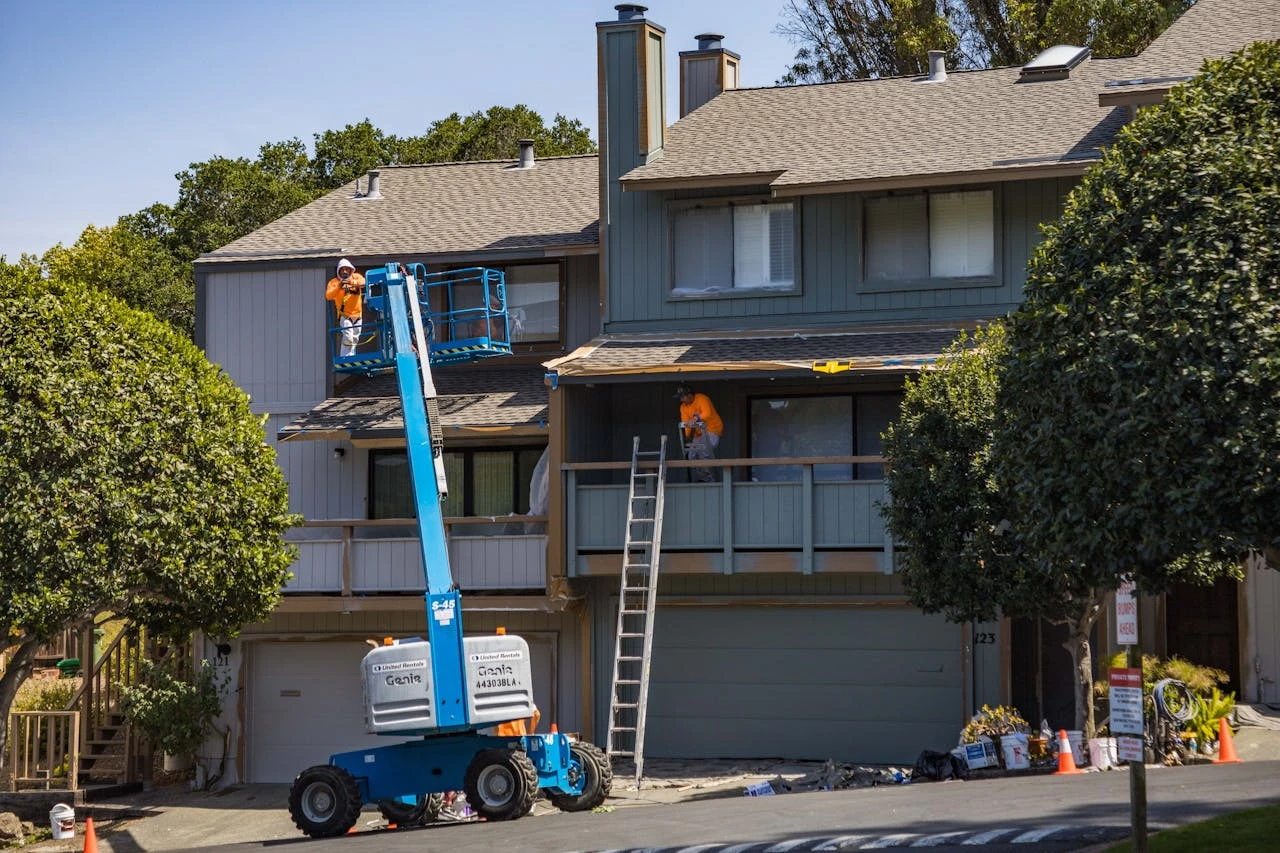
Funding Emergency Property Repairs: What to Know Will Work Best

Unexpected property damage can disrupt finances and timelines with little warning. Repairs may be required immediately to prevent further deterioration or safety risks.
In many cases, property owners are faced with urgent decisions about how to fund these expenses without compromising long-term stability. Emergency repair costs can vary widely depending on the nature of the issue, the materials involved, and local labor rates.
Reliable information is essential when navigating these situations. Funding options, repayment structures, and planning strategies should be understood clearly before any commitment is made. A structured approach allows informed decisions to be made under pressure, while avoiding unnecessary financial strain.
Assessing Repair Urgency
The first step is often the evaluation of how urgent the repair truly is. Structural damage, electrical hazards, or water leaks are typically classified as immediate concerns. Delays in addressing these issues may lead to higher costs or safety violations. Less critical repairs may allow time for comparison shopping and financial planning.
Professional assessments are frequently recommended. Contractors, inspectors, or engineers can provide estimates that reflect realistic timelines and costs. This information helps prevent underestimation, which can lead to funding gaps later.
Documentation should also be gathered early. Photos, written reports, and repair quotes are often required for insurance claims or financing applications. A clear record strengthens credibility and supports faster approvals.
By establishing urgency and scope, a more accurate funding strategy can be developed. This reduces uncertainty and supports efficient decision-making during stressful situations.
Exploring Funding Options
Several funding sources are typically considered for emergency property repairs. Savings may be used when available, although this can reduce financial flexibility for future needs. Insurance coverage may also apply, depending on the cause of damage and policy terms. Claims processing times, however, may not align with urgent repair timelines.
In some cases, the situation moves faster than expected. A roof leak after heavy rain, for example, may need immediate attention before further damage spreads. Waiting for insurance approval might not be practical, which is where short-term financing options start to come into view.
Personal loans are often considered when repair funds are needed without delay. Fast access to financing can be provided, and fixed repayment terms are commonly offered. Repayment schedules should be reviewed carefully before any decision is made. For many borrowers, the question “how long to pay off my loan?” becomes part of deciding whether the monthly cost will remain manageable.
Home equity financing may also be considered for property owners with sufficient equity, though approval timelines can vary. Each option carries trade-offs, which is why decisions often come down to timing, cost, and how quickly the repair needs to move forward.
Understanding Cost Breakdown
Emergency repair bills are rarely limited to one simple charge. Labor, replacement materials, permits, and inspections are often included in the final amount. In some cases, cleanup work or temporary accommodation costs may also need to be covered.
An itemized estimate should be requested whenever possible. This creates a clearer picture of where money will be spent and helps prevent confusion during the repair process. It can also make contractor comparisons more useful and more accurate.
Common repair costs may include:
- Labor charges for emergency response and installation,
- Materials such as wiring, pipes, shingles, or drywall,
- Permit and inspection fees required by local rules,
- Added remediation for mold, water, or fire damage.
A contingency amount should also be considered. Once work begins, hidden issues are often discovered. A reserve of ten to twenty percent is commonly recommended to help absorb those extra costs without forcing additional borrowing.
Evaluating Loan Terms
When financing is required, loan terms should be examined closely. Interest rates, repayment periods, and associated fees can significantly impact the total cost of borrowing. Even small differences in rates may result in substantial long-term expenses.
Fixed-rate loans provide predictable payments, which can simplify budgeting. Variable rate options may offer lower initial costs but carry the risk of future increases. The suitability of each depends on financial stability and risk tolerance.
Additional factors should also be considered. Prepayment penalties, late fees, and origination charges may affect overall affordability. Lenders may present these details in complex language, so careful review is essential.
A thorough evaluation ensures that financing supports the repair without creating unnecessary financial pressure. Well-chosen terms can make repayment manageable while maintaining overall financial health.
Avoiding Common Funding Mistakes
Emergencies often lead to rushed financial decisions that increase long-term costs. When repairs can’t be delayed, funding choices still need careful thought. Mistakes made under pressure can create financial strain long after the repair is complete.
Several common errors are frequently observed:
- Accepting the first loan offer without comparing alternatives,
- Overlooking total repayment cost in favor of lower monthly payments,
- Borrowing more than required for the actual repair scope,
- Failing to review lender fees and contract terms in detail.
Each of these issues can be avoided through careful review and basic financial checks. Even in urgent situations, a short comparison between lenders can reveal meaningful differences in cost and flexibility.
Accurate borrowing based on verified repair estimates is also essential. This approach helps prevent unnecessary debt while ensuring that sufficient funds are available. By avoiding these common mistakes, funding decisions can remain aligned with both immediate repair needs and long-term financial stability.
Planning for Future Resilience
Emergency repairs often make financial gaps more visible. Once the immediate issue is handled, attention usually shifts toward reducing the chances of facing the same pressure again. Regular maintenance becomes a practical way to manage that risk.
Routine inspections can help identify smaller problems before they turn into more expensive repairs. Fixing a minor leak or early structural wear is usually far more manageable than dealing with full emergency damage later.
Building an emergency fund also helps. Even small, consistent contributions can create a buffer that reduces the need to rely on borrowing when something unexpected happens. Over time, that buffer makes urgent decisions feel less restrictive.
Insurance should be reviewed with the same level of attention. Taking time to understand homeowners insurance coverage can help reveal what is actually protected and where gaps might exist. This makes future repairs easier to manage when they arise.
Building Financial Confidence During Emergencies
Emergency property repairs require swift action supported by informed financial decisions. By assessing urgency, exploring funding options, and understanding costs, a structured response can be developed even under pressure. Careful evaluation of loan terms and proactive planning further enhances financial resilience.
When accurate information is applied consistently, emergencies can be managed with greater confidence. The result is not only a restored property but also a more stable financial outlook for the future.









 Accessibility